


Iceland Confirms Presence of Mosquitoes, Losing Its Mosquito-Free Arctic Status
The CSR Journal Magazine

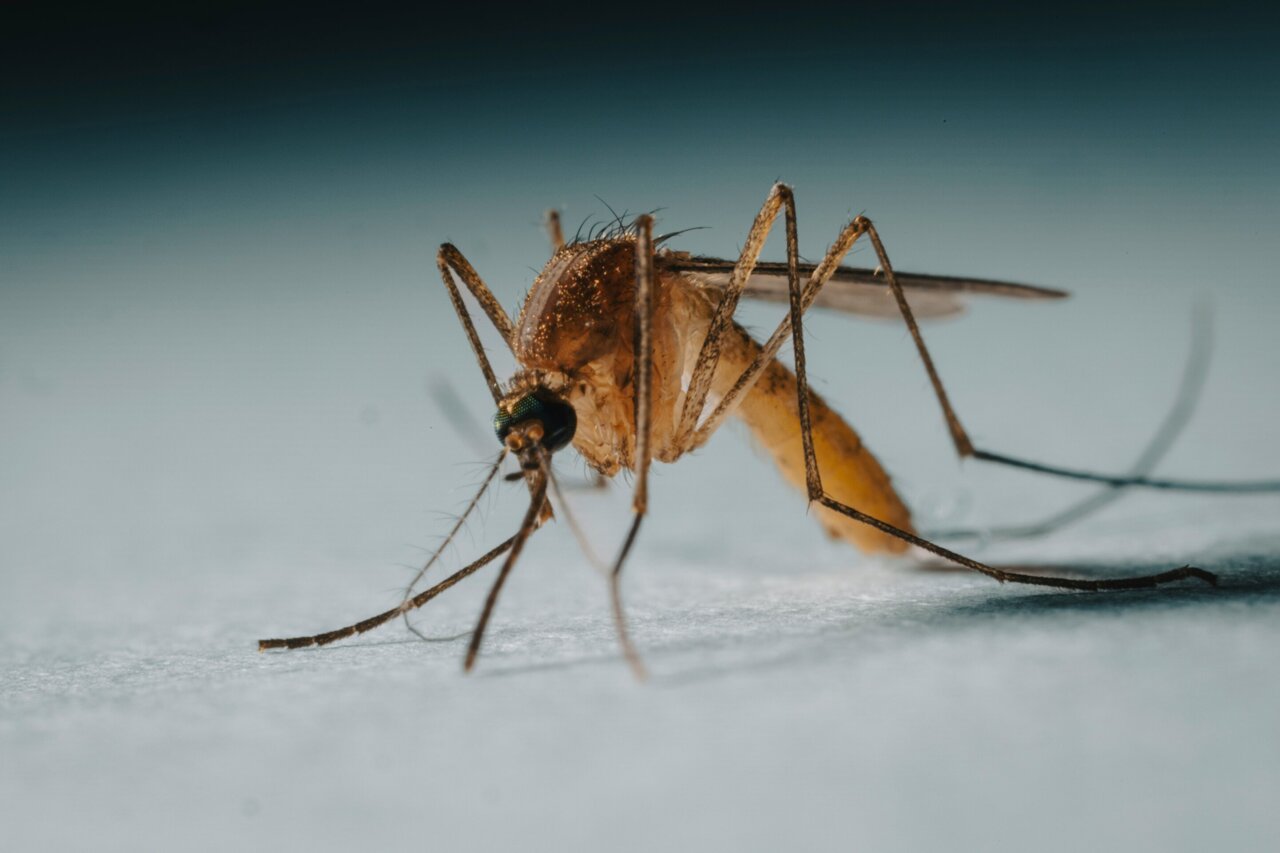
The presence of mosquitoes has now been confirmed in Iceland, ending the country’s long-held distinction as the only nation in the Arctic free from these insects. This discovery was reported in the journal Science and highlights significant ecological changes taking place in the polar region. Until now, Iceland had escaped the relentless swarms that affect the rest of the Arctic, where mosquitoes have long plagued humans and wildlife alike.

For decades, scientists believed that Iceland’s unique climate, characterised by its cool maritime temperatures and variable freeze-thaw cycles, played a crucial role in keeping mosquitoes at bay. However, with climate change accelerating, even this remote island can no longer maintain its mosquito-free status.

The findings serve as a stark reminder of how rapidly the Arctic environment is changing. Increased temperatures are reshaping ecosystems, leading to the establishment of insect populations that were previously unable to survive in such conditions.

Warming Arctic and Broader Ecological Implications

Reports indicate that the Arctic is warming at nearly four times the global average, with earlier snowmelt and prolonged summer seasons contributing to a shifting landscape. Alongside these climatic changes, the burgeoning levels of human activity, including tourism and military endeavors, are broadening the routes through which invasive species can penetrate previously isolated regions.

While mosquitoes are a notable addition to Iceland’s fauna, they represent just one aspect of a larger narrative involving various arthropods. This group, which consists of insects, spiders, mites, and ticks, plays a vital role in Arctic ecosystems, influencing plant pollination, nutrient recycling, and pest regulation.

Researchers emphasise that arthropods are sensitive to environmental changes, making them critical indicators of ecosystem health. Nonetheless, the lack of a comprehensive monitoring system across the Arctic presents significant obstacles to understanding how these ecosystems are evolving amidst climate change.

Urgency for Biodiversity Monitoring and Community Involvement

The ramifications of the arrival of mosquitoes are already tangible, affecting various wildlife species. For instance, Arctic shorebirds are struggling as the timing of insect hatching no longer aligns with their breeding cycles, resulting in reduced chick survival rates. Additionally, reindeer and caribou are experiencing heightened pressure from biting insects, diverting energy away from grazing.

Moreover, insect outbreaks are negatively impacting tundra vegetation, potentially speeding up the thawing of permafrost, which could exacerbate greenhouse gas emissions into the atmosphere. These developments highlight a pressing need for international cooperation and consistent biodiversity monitoring efforts. Researchers advocate for enhanced collaboration to safeguard Arctic ecosystems.

Indigenous communities, who have been attuned to environmental changes over generations, are anticipated to play an essential role in future monitoring initiatives. For scientists, the appearance of mosquitoes in Iceland is not merely an inconvenience; it signifies a broader transformation of the Arctic that demands urgent attention and response.

Long or Short, get news the way you like. No ads. No redirections. Download Newspin and Stay Alert, The CSR Journal Mobile app, for fast, crisp, clean updates!

App Store –  https://apps.apple.com/in/app/newspin/id6746449540 

Google Play Store – https://play.google.com/store/apps/details?id=com.inventifweb.newspin&pcampaignid=web_share

Latest News

Popular Videos
