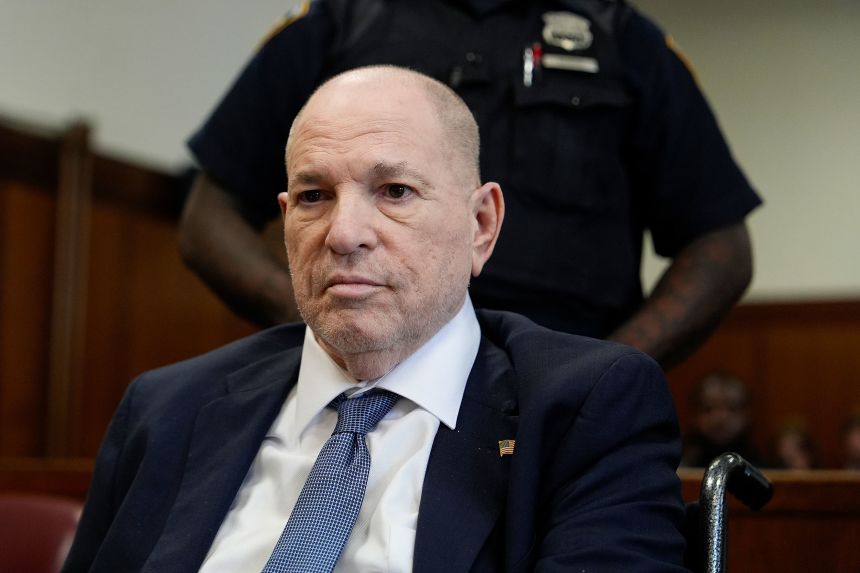
Harvey Weinstein was sentenced to 15 years in prison on September 23, 2026, for the sexual assault of Miriam Haley, marking a significant development in the ongoing #MeToo movement. The 74-year-old former film executive, once a prominent figure in Hollywood, is expected to appeal the decision, which may result in him spending time in prison until at least his late 80s.
The sentencing follows a convoluted legal process that has unfolded over the past six years. Weinstein’s original conviction was overturned in 2020 due to the use of testimonies from women whose allegations had not been included in the trial. However, a second jury found him guilty again during a retrial in 2025 for a first-degree criminal sex act against Haley, who reported the assault took place in 2006 at Weinstein’s Manhattan apartment.
Initially facing a potential sentence of up to 25 years for the crime, Weinstein has already spent more than six years in custody as the case has navigated through various appeals and retrials. His previous 23-year sentence followed convictions for assaulting Haley and for raping aspiring actress Jessica Mann in 2013.
Background of the Case
The recent retrial resulted in a guilty verdict regarding the charges against Haley; however, the jury acquitted Weinstein of forcibly performing oral sex on another woman and was unable to reach a conclusion regarding the rape charge involving Mann. Following a subsequent retrial that ended in a hung jury in May, prosecutors opted not to pursue the rape charge due to Mann’s reluctance to testify again.
This decision paved the way for Wednesday’s sentencing. Weinstein has consistently denied any allegations of rape or sexual assault. In a recent interview from prison, he asserted his innocence, vowing, “I will be proven innocent. That I promise you.” During the court proceedings, he extended an apology to those who might have been affected by his actions while reiterating his innocence.
During the sentencing, Judge Curtis Farber emphasised the stark contrast between Weinstein’s past acclaim and his current identification as a sexual predator, noting that his achievements in the industry would be overshadowed by his criminal actions. The judge referenced the broader implications of Weinstein’s case within the context of the #MeToo movement.
Statements from Victim and Legal Rep
Miriam Haley, now 49 and a former entertainment producer, addressed the court prior to Weinstein’s sentencing. She spoke of the enduring psychological impact of the assault, describing it as a “life sentence” that would have her looking over her shoulder for years. She expressed feelings of having been further traumatized through the processes of seeking justice.
Haley recounted her experience of the assault and the subsequent interactions with Weinstein, stating that his behaviour severely undermined her sense of security. Her testimony underscored the profound effects of the assault on her life. Weinstein’s legal counsel, Jacob Kaplan, urged the court to impose a lesser sentence of three additional years, citing the former producer’s deteriorating health as a factor.
Kaplan revealed that Weinstein has been in and out of hospital care due to various health issues over the last few years. Currently, Weinstein is also awaiting resentencing in a separate rape case in Los Angeles, with a California appeals court previously upholding his conviction but setting aside his original sentence based on procedural errors in his New York case. Following his incarceration, he has tested positive for COVID-19 and is currently located in a medical unit within the prison system.
Long or Short, get news the way you like. No ads. No redirections. Download Newspin and Stay Alert, The CSR Journal Mobile app, for fast, crisp, clean updates!