


Gold Smuggling Reaches 50 Tonnes in India Amid Rising Import Duty
The CSR Journal Magazine

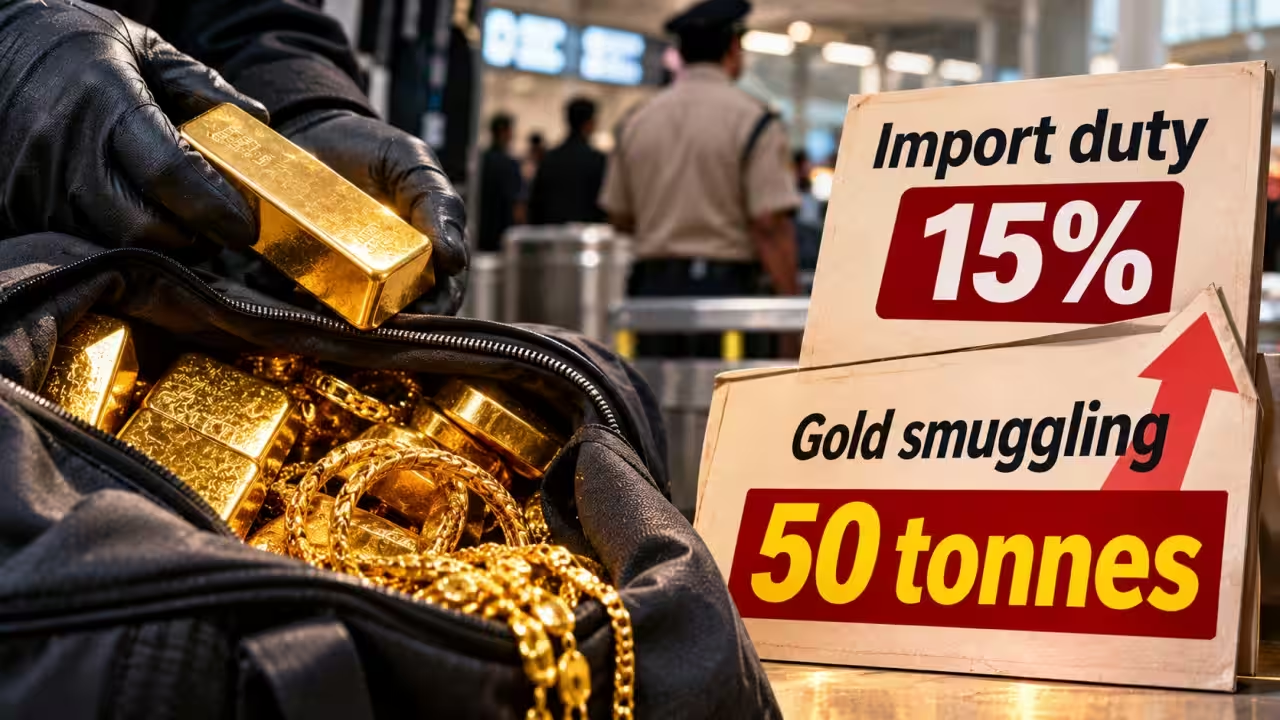
India, recognised as the second-largest gold market globally, is experiencing a notable transformation in its gold import dynamics. The increase in import duty from 6 per cent to 15 per cent has rendered official imports more costly, leading to a substantial rise in unofficial routes for gold supply. This shift has coincided with record-high gold prices, which are exerting pressure on consumer demand.

According to a report by the World Gold Council, gold smuggling in India is estimated to have surged to approximately 50 tonnes during the September quarter. This figure marks a significant increase compared to just three tonnes during the same period the previous year. The rise in smuggling underscores the unintended consequences of higher import costs on the gold market.

Consumer Demand and Spending Patterns

Gold demand in India reportedly recovered by 24 per cent sequentially, reaching 162 tonnes in the previous quarter, primarily driven by seasonal jewellery purchases. However, this demand remains 29 per cent lower than the same period last year, as elevated prices continue to deter a significant number of buyers.

Despite the challenges posed by high prices, consumer spending patterns reflect a different narrative. In the first nine months of the year, expenditure on gold increased by 3 per cent year-on-year and by 38 per cent sequentially. This suggests that consumers are willing to spend more on gold, albeit purchasing smaller quantities. The jewellery segment was a major contributor to this quarterly recovery, with demand rising by 33 per cent sequentially to 100 tonnes.

Seasonal buying and a slight easing of prices towards the end of the quarter have bolstered jewellery purchases. Nevertheless, jewellery volumes are still 20 per cent lower compared to the same quarter last year. Overall demand during the first nine months of the year has decreased by 18 per cent, highlighting the increasing financial strain on consumers attempting to afford gold at current prices.

Investment Demand and Future Outlook

Investment demand for gold is also showing signs of stabilisation after a period of strong buying in the previous year. Demand for gold bars and coins increased by 9 per cent sequentially to 55 tonnes, although this figure is 40 per cent lower than the same period last year. This decline is partly attributed to a particularly strong comparison base from the previous year.

Gold exchange-traded funds (ETFs) have seen heightened interest, with demand rising to 5.3 tonnes in the third quarter, up from 3.6 tonnes in the preceding quarter. The increase in import duty has altered the cost dynamics of gold supply in India, making it more expensive to import gold through official channels. This trend aligns with historical patterns, which have increased the incentive to utilise unofficial supply routes.

Looking ahead, festive season purchases and demand during the wedding season are anticipated to provide support to the gold market in the December quarter. However, high prices are likely to continue exerting pressure on jewellery volumes. Investment demand will largely depend on price movements and investors’ expectations of future gains, suggesting a widening gap between the value of gold purchases and the quantity acquired. Consumers may continue to increase their spending on gold, even as high prices restrict the volume they can afford.

Long or Short, get news the way you like. No ads. No redirections. Download Newspin and Stay Alert, The CSR Journal Mobile app, for fast, crisp, clean updates!

App Store – https://apps.apple.com/in/app/newspin/id6746449540

Google Play Store – https://play.google.com/store/apps/details?id=com.inventifweb.newspin&pcampaignid=web_share

Latest News

Popular Videos
