


Kazakhstan Releases Second Amur Tiger to Restore Historic Population
The CSR Journal Magazine

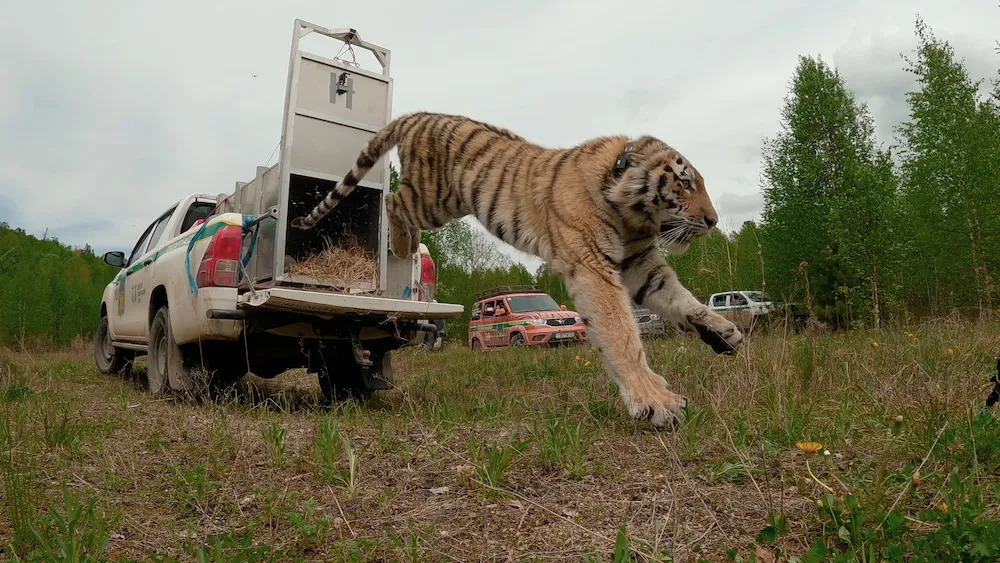
Kazakhstan has successfully released a second Amur tiger into the wild as part of its initiative to revive the species in its historical habitat. The male tiger, named Amur, was introduced into the Ile-Balkhash State Nature Reserve on October 31. This follows the earlier release of a female tiger named Umit on July 31, marking a significant step in the long-term programme aimed at reintroducing tigers to Central Asia, a region that once hosted the now-extinct Caspian tiger.

The release of Amur is a pivotal part of Kazakhstan’s conservation efforts, which have been underway for several years. This initiative aims to restore the natural ecosystem and ensure the survival of tigers in the wild.

Health and Behaviour Assessments Conducted Before Release

Prior to his release, Amur underwent a series of health and behavioural assessments at a specially designed acclimatisation enclosure within the reserve. Experts monitored his condition closely, conducting veterinary examinations to evaluate his overall health, hunting abilities, and adaptability to human presence. The assessments confirmed that Amur was fit for life in the wild, as stated by Kazakhstan’s Ministry of Ecology and Natural Resources.

Amur was fitted with a satellite collar to facilitate tracking by conservationists, allowing them to monitor his movements and adaptation to his new environment. Daniyar Turgambayev, chairman of the Forestry and Wildlife Committee, emphasised the importance of ensuring that each tiger is adequately prepared for independent living before release.

The monitoring of both Amur and Umit will continue as specialists observe their adaptation and movements within the reserve.

Efforts to Restore Tiger Habitat and Prey Base

The Balkhash region and the Ili River valley were historically home to the Caspian tiger, which vanished from Kazakhstan in the mid-20th century due to habitat loss, declining prey populations, and poaching. In response to this decline, the Ile-Balkhash State Nature Reserve was established in 2018 to support the restoration of natural habitats and wildlife.

The conservation programme focuses on rebuilding the prey base essential for the survival of tigers. Relocations of species such as Bukhara deer and kulans to the reserve are part of these efforts, aimed at increasing the population of wild ungulates that serve as food sources for the tigers. In September 2026, 30 kulans were relocated from Altyn-Emel State National Nature Park to further enhance the ecosystem.

These measures are crucial for creating a sustainable environment for the tigers, ensuring they have adequate food sources and a suitable habitat for their return.

International Collaboration in Conservation Efforts

Kazakhstan’s tiger reintroduction programme is a collaborative effort involving Russia, various international conservation organisations, and researchers. Government agencies and conservation partners are working together to restore the natural ecosystem and support the adaptation of tigers to the reserve.

This initiative represents years of combined efforts, with Kazakhstan’s Minister of Ecology and Natural Resources, Alibek Kuantyrov, expressing gratitude to all partners, including the Amur Tiger Centre and the World Wide Fund for Nature, for their ongoing support in restoring Kazakhstan’s natural ecosystems.

The successful release of Amur and Umit signifies a hopeful future for the reintroduction of tigers in Kazakhstan, aiming to establish conditions that facilitate their long-term survival in the wild.

Long or Short, get news the way you like. No ads. No redirections. Download Newspin and Stay Alert, The CSR Journal Mobile app, for fast, crisp, clean updates!

App Store – https://apps.apple.com/in/app/newspin/id6746449540

Google Play Store – https://play.google.com/store/apps/details?id=com.inventifweb.newspin&pcampaignid=web_share

Latest News

Popular Videos
