


Gold-Eating Fungus Found in Australia Sparks Scientific Interest
The CSR Journal Magazine

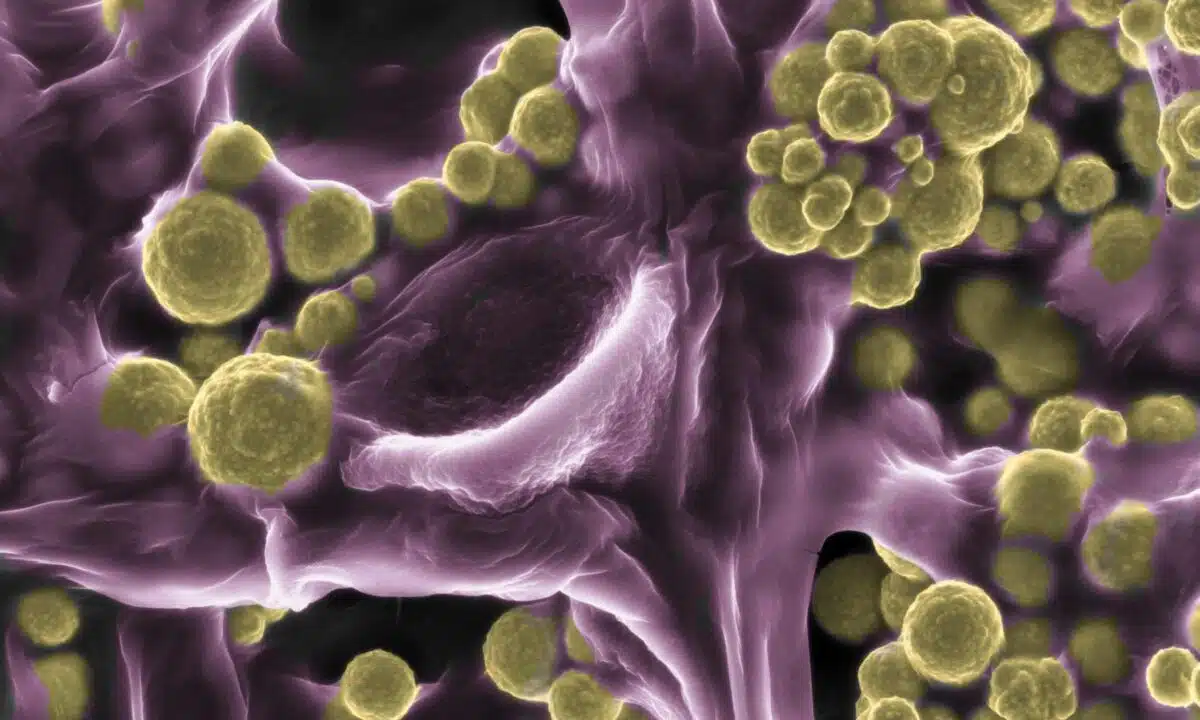
Scientists in Western Australia have identified a remarkable species of fungus that has the ability to consume gold. This unprecedented discovery was made during research into the organism’s unique biological properties. The fungus, belonging to the genus *Fusarium*, was found in the Goldfields region, where extensive gold mining activities have occurred. Researchers are particularly intrigued by the fungus’s potential applications in both environmental cleanup and space exploration.

Potential Applications of the Fungus

The ability of this fungus to absorb and metabolize gold has significant implications for numerous fields. Among its potential uses is bioremediation, wherein the organism could help retrieve gold from mining waste, thus contributing to more sustainable extraction methods. Moreover, researchers believe that the adaptability of this fungus to extreme environments makes it a candidate for future experimentation in space, particularly in extracting resources from celestial bodies.

Research Findings and Future Prospects

The findings emerged from a study that highlighted the metabolic processes of the fungus, demonstrating its capacity to convert toxic substances into harmless compounds while simultaneously accumulating gold. The research team aims to further explore the genetics of the organism to understand better the mechanisms behind its unique ability to handle heavy metals. As part of their exploration into its viability for space missions, scientists are keen to assess how this fungus can thrive in extraterrestrial conditions.

Global Interest and Collaborative Efforts

The discovery has garnered attention beyond Australia, prompting interest from international researchers looking to collaborate on the next steps of investigation. Institutions focused on astrobiology and environmental sciences are particularly eager to study the fungus’s resilience and potential applications in off-world mining operations. Collaborative efforts may lead to advancements in not only resource extraction but also in sustainability practices here on Earth.

Implications for Space Exploration

The exploration of space resources is becoming increasingly vital as Earth’s resources dwindle. The ability to utilize microorganisms like this fungus could revolutionize how humanity approaches off-world mining projects. Not only does the organism show promise for extracting metals, but its hardiness may also offer insights into life forms that could exist in extreme environments, thereby aiding in the search for extraterrestrial life.

Conclusion of Phase One Research

The initial phase of research into the fungus has concluded with promising results. The next phase will involve experiments to analyze its resilience in simulated space conditions, including exposure to reduced gravity and radiation. Through these experiments, scientists hope to uncover valuable knowledge that could pave the way for innovative biotechnologies in space exploration and mining.

A Call for Further Study

While the discovery presents exciting opportunities, it also necessitates further study to fully understand the implications of using such organisms in space and the environmental impact of utilising them for mining purposes on Earth. Researchers emphasize the importance of thorough investigations to devise protocols that would ensure both safety and efficiency in potential applications.

Long or Short, get news the way you like. No ads. No redirections. Download Newspin and Stay Alert, The CSR Journal Mobile app, for fast, crisp, clean updates!

App Store –  https://apps.apple.com/in/app/newspin/id6746449540 

Google Play Store – https://play.google.com/store/apps/details?id=com.inventifweb.newspin&pcampaignid=web_share

Latest News

Popular Videos
