


France Launches Criminal Investigation Into Smart Glasses Amid Sexual Harassment Claims
The CSR Journal Magazine

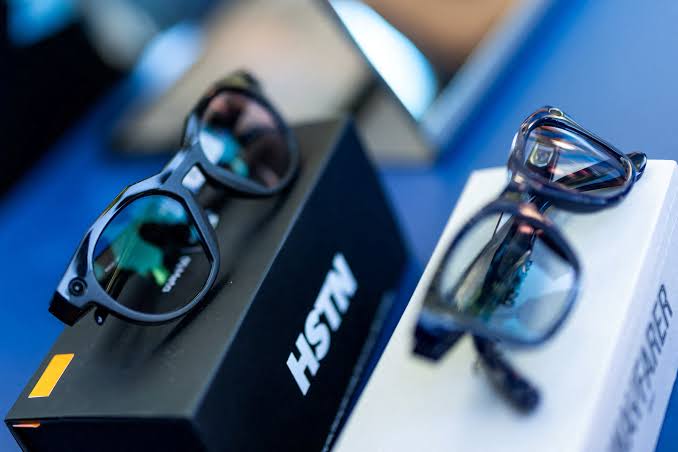
Paris prosecutors have initiated a criminal investigation concerning allegations of sexual harassment involving smart glasses. The inquiry follows complaints regarding the misuse of these devices to film individuals without consent, particularly in public settings. Recent reports suggest a troubling trend where users exploit smart glasses to record women discreetly and share the footage online, raising significant legal and ethical questions.

Market Context and Concerns

Smart glasses, notably those developed by Meta in partnership with EssilorLuxottica, dominate the global market with an estimated 76 per cent share. These AI-enabled glasses feature a hidden camera, allowing users to capture videos discreetly. With sales reaching 7 million units last year, their popularity has prompted increased scrutiny from various stakeholders, including regulators, rights organisations, and corporations.

Concerns surrounding privacy, sexual harassment, and unauthorized surveillance have become focal points of debate as multiple countries reassess their regulations regarding these devices. The Paris prosecutor’s office confirmed it has opened at least one investigation linked to these allegations, although they have not disclosed the specific brands involved.

The cybercrime unit had reportedly assessed the devices to better understand their potential for misuse, particularly in light of recent harassment complaints. In addition, Citations of the impact of smart glasses are being seen worldwide, such as in the UK and Germany, where cinemas and advocacy groups have taken action against their use in certain contexts.

In France, complaints regarding smart glasses in the workplace have also emerged, with data protection authority CNIL indicating it has received fewer than 10 such reports. Companies are increasingly interested in understanding the legal ramifications of potentially prohibiting smart glasses on their premises, as they assess the risks associated with privacy violations and employee well-being.

Legal and Ethical Implications

Smart glasses pose unique challenges regarding privacy laws and consent as outlined in the European Union’s AI Act and the General Data Protection Regulation (GDPR). Although French legislation protects individuals from recording in private spaces without consent, enforcement of these laws can be complicated due to the rapid dissemination of such content online.

Critics argue that existing measures, such as a small indicator light on the devices that signals when filming occurs, place the burden of consent on individuals being recorded. Experts highlight that this does not adequately safeguard individuals’ rights. Ines Legendre, a legal specialist at e-Enfance, emphasised that seeing a recording light does not equate to consenting to filming or the ensuing distribution of images.

This fails to protect the privacy of those who may inadvertently be caught on camera, particularly vulnerable groups like women and gender minorities. Rights advocates are calling on the technology sector to take more responsibility for preventing abuse linked to these devices. Ines Girard from Hubertine Auclert, a feminist organisation, argues that increased vigilance cannot be placed solely on those being surveilled. She stresses that the responsibility should also extend to creators and marketers of surveillance technology to ensure they are not enabling harassment and abuse.

Global Responses to Smart Glasses Usage

Countries around the world are beginning to respond to the implications of smart glasses in various sectors. For instance, on September 18, 2026, officials in Australia announced consideration of a potential ban on camera-equipped smart glasses in government workplaces, citing privacy risks.

This proposed measure could set a precedent for other nations grappling with similar issues as they navigate the social impact of wearable technologies. As discussions surrounding regulation and enforcement continue, the role of smart glasses within both public and private contexts remains a contentious issue.

Legislative bodies and advocacy groups are seeking to address the ramifications through collaborative dialogue aimed at developing comprehensive frameworks that protect individual rights while accommodating technological advancements. With the increasing integration of AI and smart technology into daily life, the need for robust regulations is becoming more urgent. Stakeholders must work collectively to ensure that innovations do not compromise the dignity and privacy of individuals in both public and private spaces.

Long or Short, get news the way you like. No ads. No redirections. Download Newspin and Stay Alert, The CSR Journal Mobile app, for fast, crisp, clean updates!

App Store –  https://apps.apple.com/in/app/newspin/id6746449540 

Google Play Store – https://play.google.com/store/apps/details?id=com.inventifweb.newspin&pcampaignid=web_share

Latest News

Popular Videos
