


Five Returnees from Hantavirus-Hit Cruise Ship Enter Isolation in Australia
The CSR Journal Magazine

Australian nationals on a Dutch-flagged luxury cruise ship that experienced a hantavirus outbreak have returned home. The group of travellers landed at an Australian air force base located near Perth, Western Australia, on Friday, May 15, 2026. This return was facilitated by a government-chartered flight aimed at ensuring their safe arrival in Australia.

In total, four Australian citizens and one permanent resident, alongside a New Zealand resident, were part of this group. Prior to their departure from the Netherlands, all individuals had tested negative for the hantavirus and showed no signs of illness. Federal Health Minister Mark Butler provided assurance about the group’s health status during a statement to Sky News.

Quarantine Measures Implemented

As part of the health protocols, the returning passengers will undergo isolation for a minimum of three weeks at a designated quarantine facility. This facility is in close proximity to the air force base, allowing for a smooth transfer from the flight. Minister Butler noted that upon arrival at the quarantine site, the group will be retested to monitor their health closely.

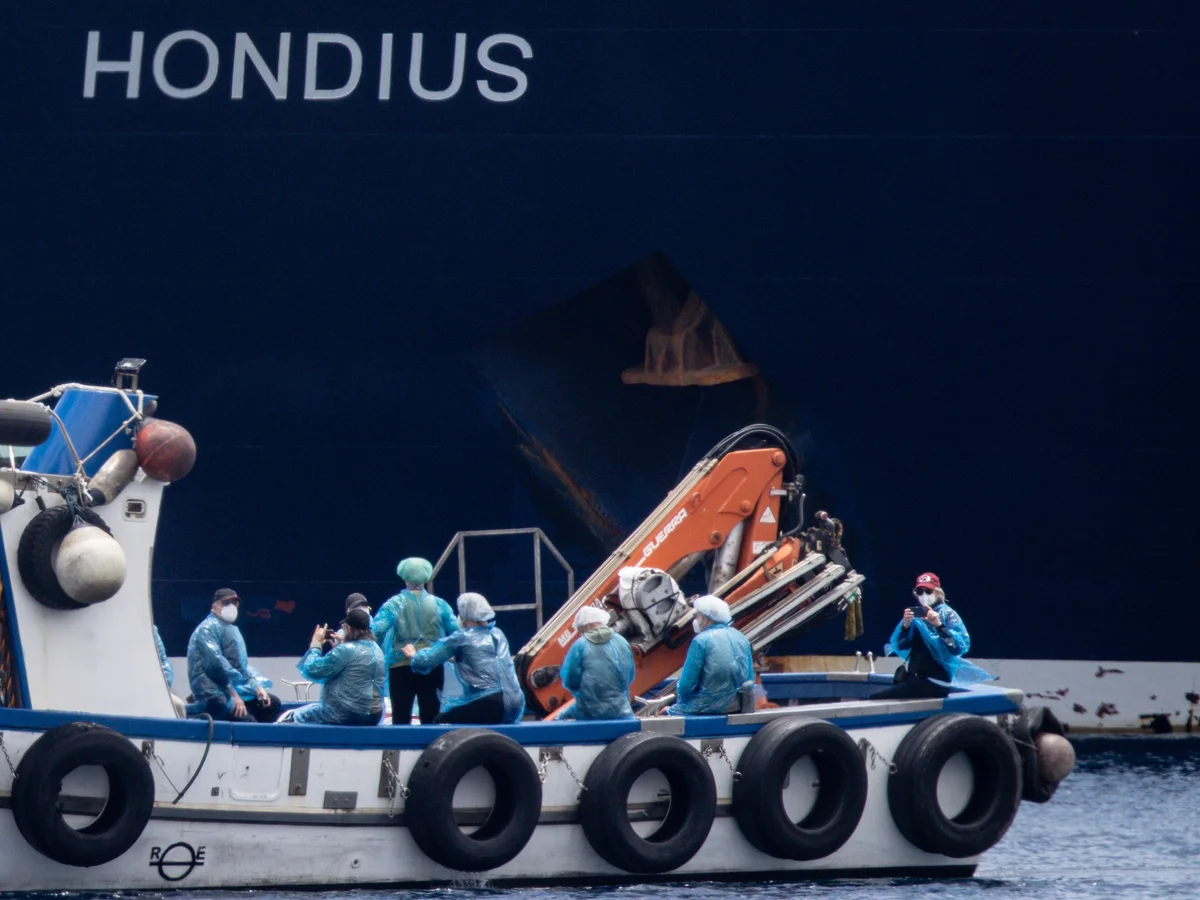
Among those on the MV Hondius, eleven passengers have reportedly contracted the hantavirus. This outbreak has unfortunately resulted in three fatalities, as detailed by the World Health Organization (WHO). The organisation has recommended a quarantine period of 42 days for all passengers who were aboard the vessel, underscoring the seriousness of the situation.

Health experts have urged the public to remain calm, emphasising that the hantavirus is significantly less contagious than Covid-19. It is also considered to present minimal risk to the general population. The WHO’s guidance highlights the importance of monitoring the health of those exposed, while also contextualising the potential risks associated with the virus.

Understanding Hantavirus Transmission

The hantavirus is primarily transmitted through contact with rodents and their excretions. Although human-to-human transmission is exceedingly rare, it can occur in specific circumstances. Experts note that symptoms associated with the virus typically manifest between one to eight weeks post-exposure and may initially resemble those of influenza, including fatigue and fever.

The situation aboard the MV Hondius has raised awareness about the ways in which hantaviruses can affect human health, prompting discussions on preventive measures necessary for future voyages, especially for international travel involving cruise ships. The outbreak has led to increased scrutiny regarding health protocols that need to be enforced on such travel experiences.

As the isolated individuals begin their quarantine period, health authorities continue to monitor the situation, implementing necessary measures to ensure the safety and well-being of the affected individuals, along with the broader community. These developments serve as a reminder of the ongoing need for vigilance regarding infectious diseases, particularly during travel.

Long or Short, get news the way you like. No ads. No redirections. Download Newspin and Stay Alert, The CSR Journal Mobile app, for fast, crisp, clean updates!

App Store –  https://apps.apple.com/in/app/newspin/id6746449540 

Google Play Store – https://play.google.com/store/apps/details?id=com.inventifweb.newspin&pcampaignid=web_share

Latest News

Popular Videos
