


El Nino Leads to Water Rationing in Maharashtra and Drought Concerns in Gujarat
The CSR Journal Magazine

The Indian state of Maharashtra has announced that it will introduce a minimum 10 per cent reduction in water supply across both urban and rural areas beginning October 16. This decision follows a notably deficient monsoon season, causing concerns over a potential drought-like situation. Maharashtra’s Water Resources Minister, Girish Mahajan, stated that this measure is necessary due to diminishing water reserves and the ongoing threat posed by El Nino.

Officials have conducted comprehensive assessments of water storage levels in various dams, with considerations extending through to August 31, 2027. Mahajan emphasised that the government will prioritise drinking water supply, urging local municipal bodies to adhere to the mandated cuts. Additionally, the state plans to maintain a supplementary 10 per cent buffer in each dam to address emergencies, with a focus on preserving drinking water reserves.

Challenges Across Gujarat and Karnataka Due to Insufficient Rainfall

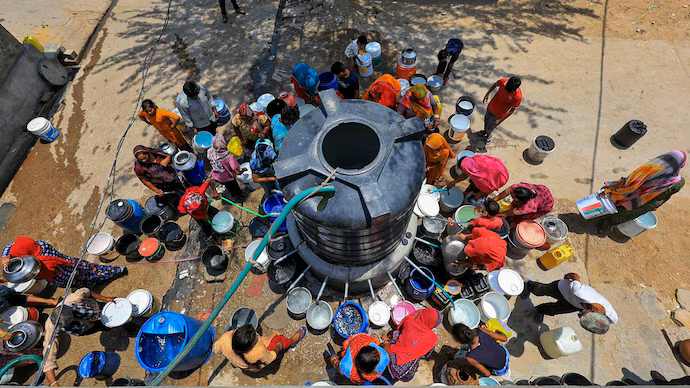
In Karnataka, Chief Minister D K Shivakumar has sought financial assistance amounting to Rs 7,142.64 crore from the central government to address drought conditions affecting the state. Out of Karnataka’s 240 taluks, 217 have been identified as experiencing drought, with 177 officially declared as drought-hit. The pressure on water resources is becoming increasingly apparent as communities struggle with access to sufficient water supplies.

The situation in Gujarat highlights a contrasting scenario, with figures from the State Emergency Operations Centre revealing that 109 of the state’s 206 dams fell below 50 per cent capacity by the end of September. An additional 28 dams were reported to be filled between 50 and 70 per cent, while 37 contained between 70 and 100 per cent of their maximum capacity. Notably, 32 dams were completely full, including the Sardar Sarovar Dam, which reached its full reservoir level for the seventh time since its inauguration in 2017.

Despite a few reservoirs being full, the overall water supply situation across the state remains inconsistent. Fluctuations in water storage levels across various river basins can result in significant challenges for farmers as the country approaches the Rabi season. Prioritising Rabi food grains and fodder for water use, Maharashtra authorities have indicated that other crops will be watered only if resources allow.

El Nino’s Impact on India’s Water Resources and Agriculture

The ongoing challenges related to water supply illustrate the broader implications of El Nino, which is known to disrupt monsoon patterns and alter atmospheric circulation. Although El Nino significantly influences rainfall in India, other factors such as ocean temperatures and local weather systems also play a crucial role. The full extent of El Nino’s impacts is expected to be realised in the coming months.

As local governments attempt to mitigate water loss through initiatives such as focusing on water recycling and efficiently operating sewage treatment facilities, they are also instructed to address water leakage actively. Industries are urged to recycle at least 30 per cent of the water they utilise, while the government looks to treat wastewater for alternative uses, including construction and gardening.

With the monsoon now ended, the long-term repercussions on water availability are just starting to unfold. The combination of an inadequate monsoon, regional disparities in water storage, and El Nino complicates the prospects for water management in the affected states, indicating that the country may face substantial challenges ahead.

Long or Short, get news the way you like. No ads. No redirections. Download Newspin and Stay Alert, The CSR Journal Mobile app, for fast, crisp, clean updates!

App Store –  https://apps.apple.com/in/app/newspin/id6746449540 

Google Play Store – https://play.google.com/store/apps/details?id=com.inventifweb.newspin&pcampaignid=web_share

Latest News

Popular Videos
