


El Nino Intensifies As Indian Ocean Dipole Weakens, Impacting Monsoon Outlook
The CSR Journal Magazine

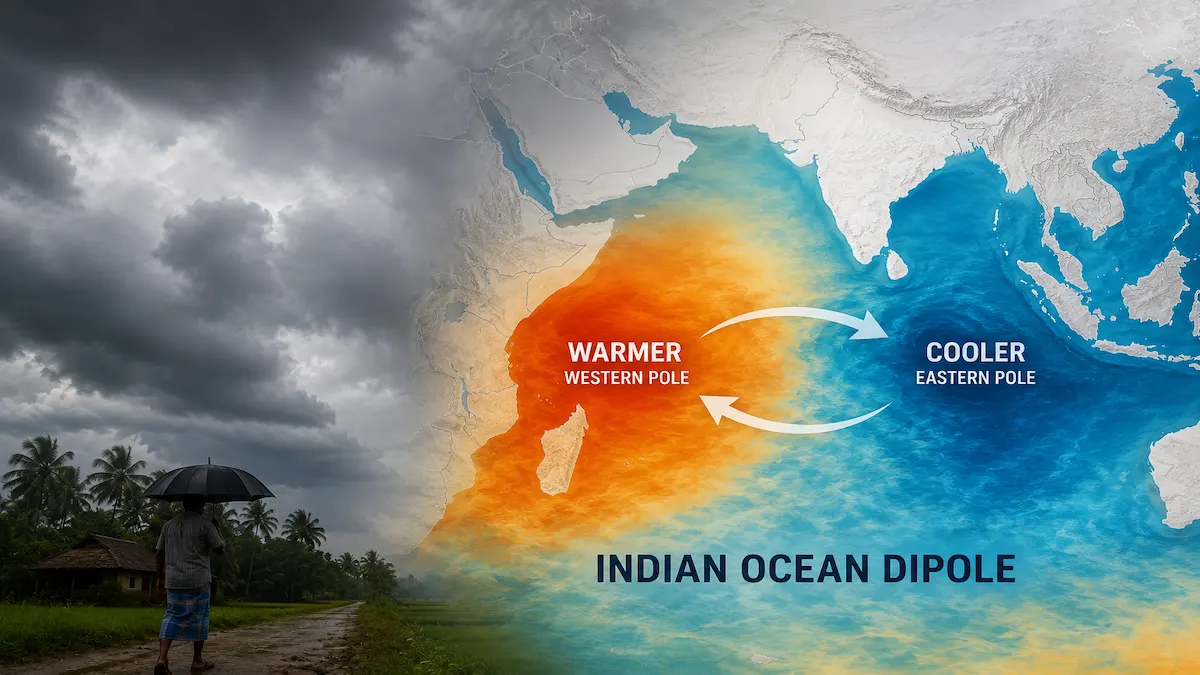
The outlook for India’s monsoon has turned increasingly uncertain after recent updates indicated a decline in the Indian Ocean Dipole (IOD) for the second consecutive week. Currently, the IOD index has dropped to +0.18°C, which is within the neutral range. This is a significant decrease from earlier readings that had initially raised hopes for a positive development later in the season.

A positive IOD generally plays a critical role in mitigating some of the adverse impacts of El Nino on the Indian monsoon by enhancing rainfall over various regions of the subcontinent. The latest downturn has nearly extinguished expectations that the IOD could provide substantial support during the remaining weeks of the southwest monsoon.

As the situation evolves, the Indian meteorological community is facing unprecedented challenges. Reports indicate that the atmosphere is now entering largely uncharted territory, given the unusual conditions developing in conjunction with the weakening IOD.

Pacific Ocean Conditions Raise Concerns

Concurrently, alarming developments in the Pacific Ocean have been reported. The traditional Nino 3.4 index has risen dramatically to 2.8°C, surpassing the earlier peak of 2.77°C noted during the strong El Nino event of 2015-16. If confirmed in long-term datasets, this El Nino could be one of the most powerful episodes recorded in recent history.

Climate experts are particularly troubled by the current timing of the Pacific warming. Typically, El Nino events strengthen until November or December, but the recent surge has manifested in August. This early escalation raises the possibility of further warming in the months ahead, according to climate models.

The interplay between a weakening IOD and a strengthening El Nino raises significant concerns about rainfall patterns across India. While some eastern states, including Bihar, Jharkhand, Odisha, West Bengal, and portions of eastern Uttar Pradesh, continue to experience active monsoon conditions, large areas in northwest and central India are grappling with extended dry spells.

Implications for Indian Agriculture and Water Resources

The current statistics indicate that India’s seasonal rainfall is approximately 13 per cent below normal, highlighting the uneven distribution of rainfall throughout the country. This situation could have notable ramifications for agriculture and water resources, as multiple regions face the prospect of rainfall deficits.

Meteorologists stress that the coming weeks will be crucial. September will be a pivotal month in assessing whether new weather systems originating from the Bay of Bengal can mitigate the increasingly adverse climate conditions. Without adequate support from these systems, the implications for various sectors could be severe.

Experts warn that there is no close historical precedent for an El Nino of this scale coinciding with a declining IOD during the latter part of the monsoon season. As the weather patterns continue to unfold, increased vigilance and preparedness will be essential for managing the potential impacts across India.

Long or Short, get news the way you like. No ads. No redirections. Download Newspin and Stay Alert, The CSR Journal Mobile app, for fast, crisp, clean updates!

App Store –  https://apps.apple.com/in/app/newspin/id6746449540 

Google Play Store – https://play.google.com/store/apps/details?id=com.inventifweb.newspin&pcampaignid=web_share

Latest News

Popular Videos
