



Delhi’s Minimum Temperature Reaches Season Low of 16.2°C

The CSR Journal Magazine

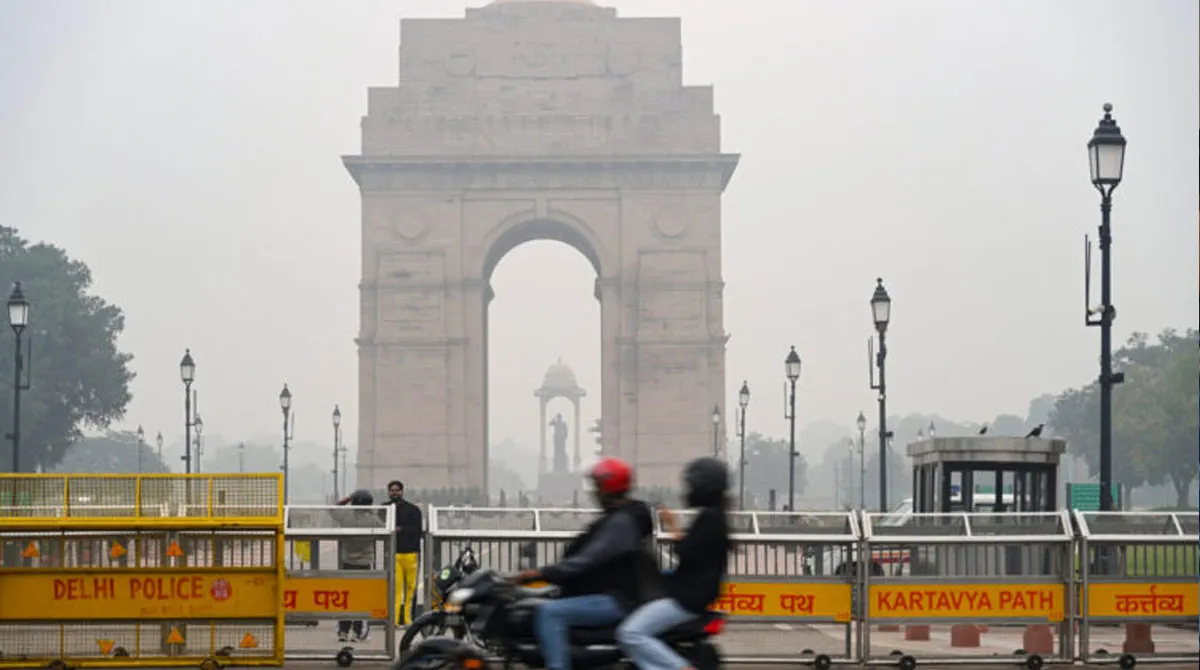
Delhi’s minimum temperature fell to 16.2°C on Monday morning, marking the lowest temperature recorded for the season thus far. This drop in temperature coincided with a decline in air quality, which reached an Air Quality Index (AQI) of 178 at 10 am, as reported by the India Meteorological Department (IMD) and the Central Pollution Control Board (CPCB).

The AQI of 178 indicates that the air quality is at the upper end of the moderate category. On the previous day, the 24-hour average AQI was recorded at 153 at 4 pm on Sunday. This suggests a notable variation in air quality over the past week, with the average AQI for the seven days leading up to October 25 being 194, which is the second-lowest average for that week in the past twelve years, according to an analysis by Hindustan Times.

Throughout October, Delhi’s air quality has predominantly remained in the moderate category. However, it did experience a decline into the poor category on October 21, 22, and 23. The latest CPCB bulletin indicates that the AQI of 153 on October 25 is lower than the AQI recorded on 62 per cent of days over the past three years, suggesting a mid-range level of air quality, albeit slightly on the lower side.

Localised Pollution Concerns Emerge

According to the CPCB, the AQI classification ranges from 0–50 as good, 51–100 as satisfactory, 101–200 as moderate, 201–300 as poor, 301–400 as very poor, and 401–500 as severe. On Monday morning, 22 out of 56 operational monitoring stations in Delhi reported “poor” air quality, while the remaining 34 stations indicated moderate levels. This discrepancy highlights the growing concern regarding localised pollution within the city.

The Air Quality Early Warning System has projected that Delhi’s air quality is likely to deteriorate further into the “poor” category on Monday. The IMD forecast bulletin has indicated that air quality is expected to remain in the “poor” category from October 26 to October 28, 2026. This forecast raises alarms about the potential for worsening conditions in the coming days.

As the weather changes, the outlook for the subsequent six days suggests that air quality could fluctuate between “poor” and “moderate” levels. This variability underscores the need for continued monitoring and public awareness regarding air quality in the national capital.

Implications for Public Health and Environment

The decline in air quality poses significant implications for public health, particularly for vulnerable populations such as children, the elderly, and those with pre-existing health conditions. The moderate to poor air quality can exacerbate respiratory issues and other health concerns, necessitating caution among residents.

Environmental experts have emphasised the importance of addressing the sources of localised pollution to improve overall air quality in Delhi. This includes implementing stricter regulations on emissions and promoting sustainable practices among industries and transportation. The ongoing monitoring by the CPCB and IMD is crucial in providing timely updates to the public.

In conclusion, with the minimum temperature dropping to 16.2°C and air quality slipping to an AQI of 178, Delhi faces a challenging situation as it navigates the complexities of seasonal weather changes and air pollution. Continuous efforts will be required to ensure the health and well-being of its residents in the face of these environmental challenges.

Long or Short, get news the way you like. No ads. No redirections. Download Newspin and Stay Alert, The CSR Journal Mobile app, for fast, crisp, clean updates!

App Store – https://apps.apple.com/in/app/newspin/id6746449540

Google Play Store – https://play.google.com/store/apps/details?id=com.inventifweb.newspin&pcampaignid=web_share

Latest News

Popular Videos