


Millions Benefit as Uttar Pradesh Overhauls Scheme Delivery via Direct Benefit Transfer
The CSR Journal Magazine

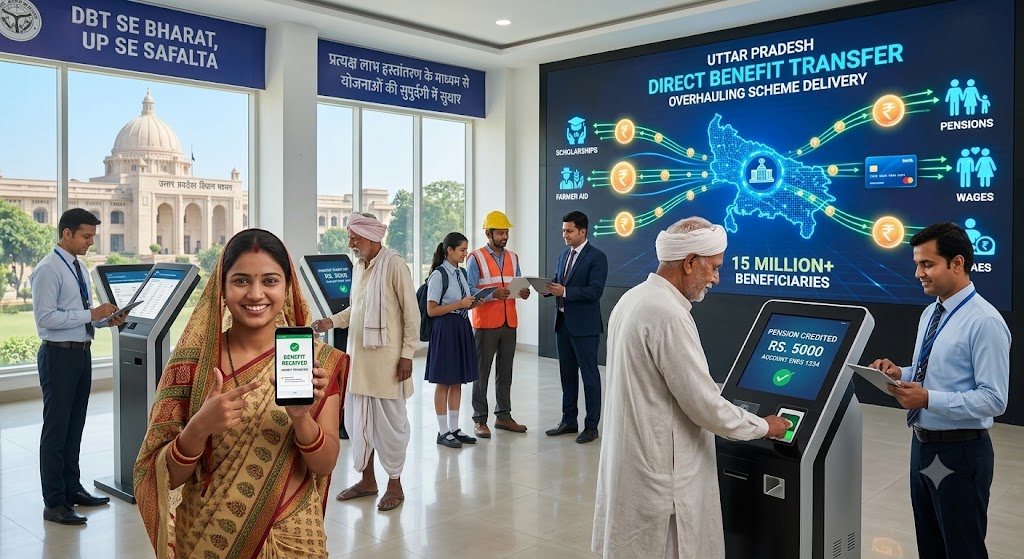
The implementation of Direct Benefit Transfer (DBT) in Uttar Pradesh has significantly changed the landscape of government assistance. This system ensures that financial aid reaches the intended beneficiaries directly, eliminating the need for intermediaries. Previously, individuals often faced challenges in accessing their rightful benefits, frequently having to navigate bureaucratic hurdles and seek favours from officials. With DBT, funds are transferred straight into the beneficiaries’ bank accounts, allowing them to claim their entitlements with dignity.

Prior to the advent of DBT, the process of receiving assistance was fraught with complications. Many elderly women and farmers had to endure long waits and multiple visits to government offices to obtain their pensions or dues. This often resulted in a sense of helplessness, as they relied on recommendations or connections to secure their entitlements. The Yogi Adityanath administration has sought to address these issues, aligning with the vision of Pandit Deendayal Upadhyaya, where the success of welfare schemes is measured by their impact on the most disadvantaged members of society.

DBT has redefined the relationship between the government and its citizens. By streamlining the process, it has transformed the perception of beneficiaries from supplicants to rightful claimants. The system, built on the integration of Jan Dhan accounts, Aadhaar, and mobile technology, has virtually bridged the gap between the government and the populace. A simple transaction initiated in Lucknow can now benefit an elderly woman living in a remote village, showcasing the efficiency of this innovative approach.

Widespread Impact and Reach of DBT

The scale of the DBT initiative in Uttar Pradesh is noteworthy, with nearly 200 Central and State Government schemes linked to this framework. This extensive reach encompasses over 900 million beneficiaries, representing a significant portion of the state’s population. The direct transfer of funds has amounted to several lakh crore rupees, demonstrating the effectiveness of combining technology with political resolve. The impact of these transfers is profound, particularly for vulnerable groups such as farmers, the elderly, and economically disadvantaged students.

For instance, more than 30 million farming families benefit from direct assistance through the Pradhan Mantri Kisan Samman Nidhi scheme. Payments for sugarcane farmers and support for wheat and paddy procurement are also facilitated through this channel, alleviating the uncertainties that farmers previously faced. Additionally, over 10 million elderly individuals and persons with disabilities receive monthly pensions, ensuring a steady income stream for those in need.

Moreover, financial support for students has been enhanced, with ₹1,200 transferred monthly to parents or guardians of children in Classes 1 to 8. This funding aids in purchasing essential school supplies, contributing to educational equity. The transparency associated with DBT is evident, as the Aadhaar-linked verification process has eradicated numerous fictitious entries from beneficiary lists, ensuring that funds are directed to legitimate recipients.

Challenges and Future Considerations

Despite the successes of DBT, challenges remain that need addressing. The reliance on technology means that the system’s efficacy is contingent on robust infrastructure. Issues such as inadequate network connectivity in rural areas and difficulties in biometric verification for elderly beneficiaries pose significant hurdles. Furthermore, enhancing digital literacy among the population is crucial to ensure that all citizens can fully engage with the system.

The essence of Antyodaya emphasises making the system more accessible for the most vulnerable. A responsive grievance redressal mechanism is vital to fostering trust between the government and citizens. Good governance should be a tangible experience in daily life, not just an abstract ideal. The model established in Uttar Pradesh under Chief Minister Yogi Adityanath illustrates how effective governance can be achieved through the synergy of political will and administrative commitment.

In conclusion, DBT has initiated a transformative shift in welfare delivery, reducing corruption and ensuring timely payments. As citizens transition from a position of dependency to one of empowerment, the potential for improved governance and social equity becomes increasingly apparent. The ongoing commitment to refining this system will be essential in maintaining its effectiveness and ensuring that it continues to serve the needs of all citizens.

Long or Short, get news the way you like. No ads. No redirections. Download Newspin and Stay Alert, The CSR Journal Mobile app, for fast, crisp, clean updates!

App Store – https://apps.apple.com/in/app/newspin/id6746449540

Google Play Store – https://play.google.com/store/apps/details?id=com.inventifweb.newspin&pcampaignid=web_share

Latest News

Popular Videos
