


Diabetes in Early Adulthood Raises Death Risk and Complications
The CSR Journal Magazine

A recent study has indicated that young adults diagnosed with diabetes face significantly higher mortality risks compared to their non-diabetic counterparts. Specifically, individuals diagnosed with type 2 diabetes in their 20s are nearly three times more likely to die prematurely than those without the condition. This finding has profound implications for public health, especially in India, where diabetes rates are alarmingly high.

The research, led by the Emory Global Diabetes Research Centre (EGDRC), highlights the loss of approximately 24.5 disability-adjusted life years (DALYs) over a lifetime for those diagnosed at a younger age. DALYs represent the overall burden of disease by measuring years of healthy life lost due to illness or premature death, thereby providing a comprehensive understanding of the impact of diabetes.

Conducted with a cohort of 21,574 South Asian participants over a median follow-up period of 8.7 years, the study incorporated around 10,000 subjects from the Centre for Cardiometabolic Risk Reduction in South Asia (CARRS) in Delhi and Chennai. The study’s findings were published in the journal Diabetes Research and Clinical Practice, with contributions from several notable institutions.

Concerns Over Rising Diabetes Rates in India

The increasing prevalence of diabetes in the Indian population is a significant public health challenge. As of 2021, nearly 10.1 crore people in India were diagnosed with diabetes, while an additional 13.6 crore were classified as prediabetic. The rise of type 2 diabetes, closely linked to lifestyle factors, has been noted even among the youth and children under 18 years.

Dr V Mohan, a prominent diabetologist and co-author of the study, emphasised that a 20-year-old with type 2 diabetes would likely have a markedly different life expectancy and quality of life compared to non-diabetics or even older individuals living with the same condition. Additionally, younger patients often experience rapid progression to serious complications, including cardiovascular diseases, kidney problems, and vision-related issues.

Dr K M Venkat Narayan, another co-author, pointed out that the incidence of diabetes at younger ages in India is notably higher than in many other countries, particularly in Europe. The study’s results underline a troubling trend, showing that younger diagnoses correlate strongly with greater mortality risks, with adjusted hazard ratios indicating an increasing risk as the age of diagnosis declines.

Specific Challenges Faced by Young Diabetics

The research indicates that younger individuals diagnosed with diabetes tend to develop significant complications more swiftly. Previous studies have shown that rates of retinopathy, kidney diseases, and neuropathy are noticeably higher among early-onset diabetics. This is attributed to the severity of diabetes at diagnosis, often exacerbated by a strong familial history.

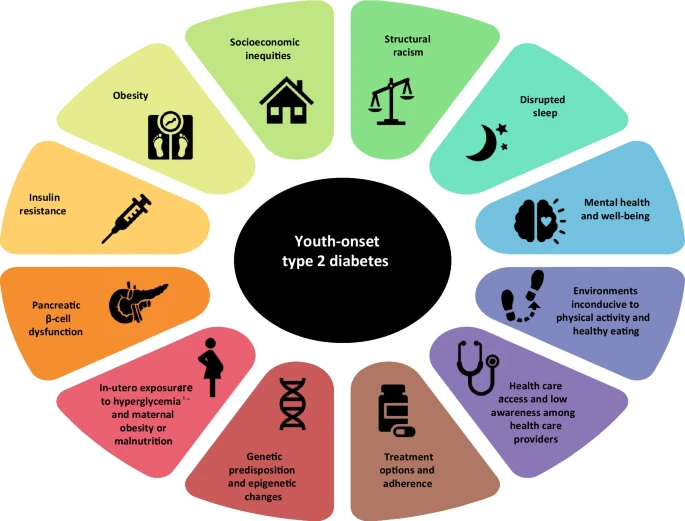
Another particularly worrisome trend is the emergence of a subtype of diabetes among young, lean adults in India. This condition, described as Combined Insulin Resistant and Deficient Diabetes (CIRDD), occurs despite low body mass index (BMI) and is characterised by both insulin deficiency and resistance. Factors contributing to this phenomenon include high consumption of refined carbohydrates and insufficient physical activity.

Dr Mohan noted that patients with CIRDD have lower ages of onset and higher triglyceride levels, presenting a complex case of simultaneous insulin deficiency and resistance. This type of diabetes offers valuable insights into why many younger Indians develop diabetes earlier compared to other populations, posing unique challenges for healthcare management.

Long or Short, get news the way you like. No ads. No redirections. Download Newspin and Stay Alert, The CSR Journal Mobile app, for fast, crisp, clean updates!

App Store –  https://apps.apple.com/in/app/newspin/id6746449540 

Google Play Store – https://play.google.com/store/apps/details?id=com.inventifweb.newspin&pcampaignid=web_share

Latest News

Popular Videos
