


Dharavi and Other Slums Highlight Urban Challenges, Show Resident Resilience
The CSR Journal Magazine

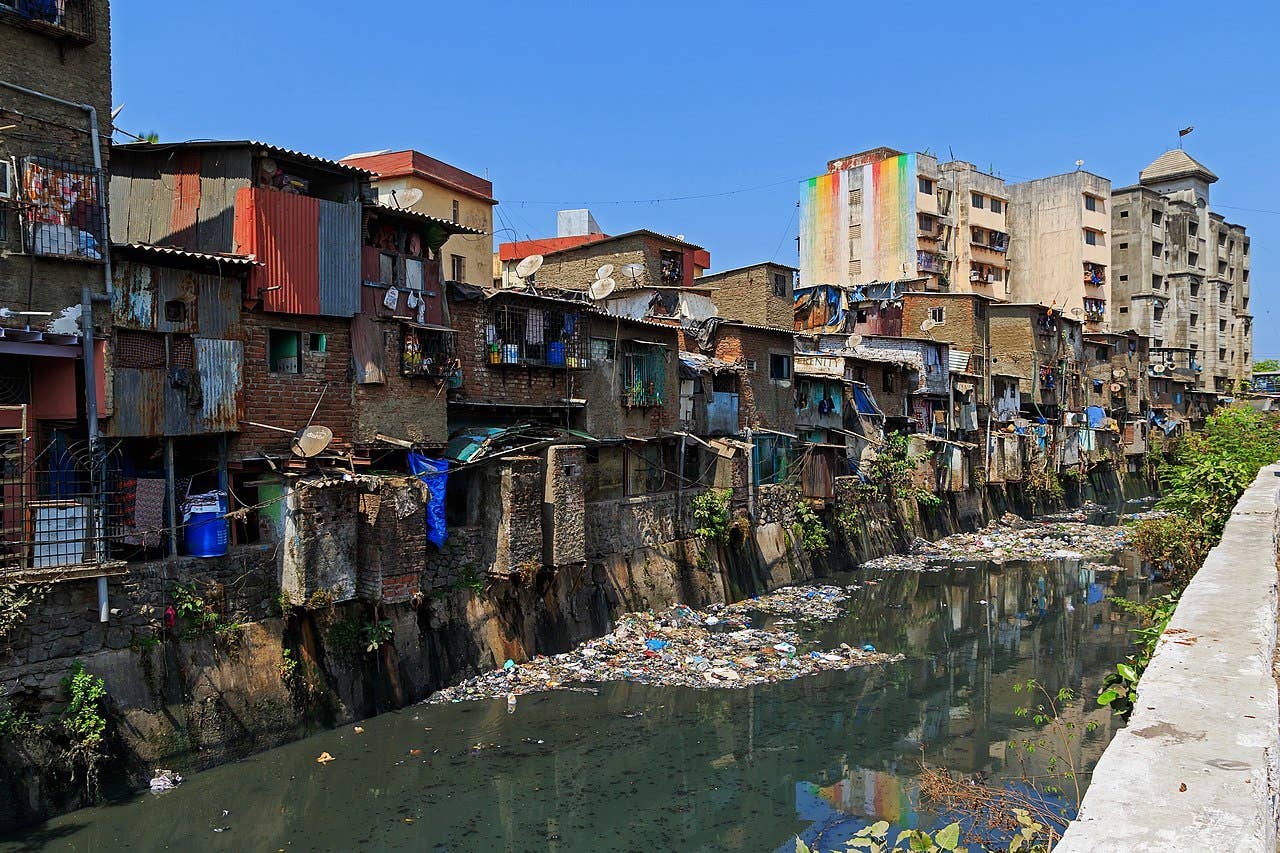
Dharavi is often referred to as one of the largest slums globally, located in the heart of Mumbai. This extensive settlement takes up just over 2 square kilometres yet accommodates nearly 1 million residents, leading to one of the highest population densities worldwide. The conditions are challenging, with inadequate access to basic amenities.

Despite these hardships, Dharavi has cultivated a robust informal economy. It is characterised by small-scale industries, including leather production, textile manufacturing, and waste recycling. The slum’s strategic location between major railway lines further facilitates the movement of goods and helps sustain livelihoods.

Community life in Dharavi is vibrant, with numerous small businesses operating within close proximity, proving that resilience often thrives amidst adversity. Residents face numerous daily challenges, yet they continue to engage in entrepreneurial activities that contribute to the local economy.

Bhalswa Slum: A Struggle Against Pollution

In Delhi, the Bhalswa slum is situated adjacent to a large landfill, affecting the quality of life for its approximately 22,000 residents. Many individuals have been relocated to this area by local authorities, turning the settlement into a focal point for challenges such as exposure to pollution and unsafe living conditions.

The pollution stemming from improper waste management and methane emissions presents significant health risks to the inhabitants. There is a constant battle for clean air and water, with the environment posing both physical and psychological challenges for the families residing there.

The Bhalswa area exemplifies the ongoing struggle many urban settings face in light of rapid expansion and environmental degradation. Residents often rely on informal networks to navigate daily challenges and improve their living situations as best they can.

Nochiuppam: A Coastal Community Resilience

Nochiuppam is a coastal slum located in Chennai, primarily inhabited by fishing families. Approximately 5,000 families live here, with many living below the poverty line. Daily food security remains a primary concern, compounded by the area’s vulnerability to natural disasters.

This community has faced numerous adversities, including the 2004 tsunami and severe flooding in later years. These environmental challenges have further complicated the lives of residents, making sustainable living increasingly precarious.

Despite the hardships, the fishing community maintains its traditional livelihood, showcasing both resilience and adaptability. Local support networks often emerge spontaneously, as individuals come together to confront both natural and socio-economic challenges.

Rajendra Nagar: Bengaluru’s Struggling Families

Rajendra Nagar slum in Bengaluru illustrates the stark contrast between rapid urban development and living conditions. Known as India’s IT hub, Bengaluru is home to numerous slums, with around 20 per cent of the city’s population residing in such environments.

Many families here experience severe shortages in access to essential facilities, including clean water and sanitation. These inadequacies reflect the broader issues of urban planning and development, particularly in a city experiencing significant economic growth.

The disparity between the affluent tech sector and impoverished slum areas raises concerns regarding social equity and inclusivity within the urban framework. Overcoming these challenges will require coordinated efforts among policymakers, community leaders, and residents alike.

Basanti Slum: The Burdens of Kolkata

Basanti slum in Kolkata stands out as a critical area where a significant portion of the city’s population reportedly resides in substandard conditions. Estimates suggest that nearly one-third of Kolkata’s inhabitants face daily struggles with inadequate income, sanitation, and heightened disease risk due to overcrowding.

Life in Basanti exemplifies the persistent challenges that slum residents encounter. Many families strive for better opportunities while contending with limited resources and systemic barriers that impede upward mobility.

The harsh realities faced by Basanti’s residents highlight the importance of addressing urban poverty in a way that promotes dignity and equity. Future efforts to improve living standards must consider the unique characteristics and needs of each community, ensuring that interventions are respectful and effective.

Long or Short, get news the way you like. No ads. No redirections. Download Newspin and Stay Alert, The CSR Journal Mobile app, for fast, crisp, clean updates!

App Store –  https://apps.apple.com/in/app/newspin/id6746449540 

Google Play Store – https://play.google.com/store/apps/details?id=com.inventifweb.newspin&pcampaignid=web_share

Latest News

Popular Videos
