


Delhi’s Air Quality Index Reaches 337, Categorized as ‘Severe’ Despite Pollution Control Measures
The CSR Journal Magazine

Delhi’s air quality deteriorated significantly on Friday, October 23, with the Air Quality Index (AQI) reaching 337 at 9.31 am, according to data from AQI.in. This reading falls within the ‘Severe’ category, prompting renewed scrutiny regarding the effectiveness of pollution control initiatives implemented across the National Capital Region (NCR). The increase in pollution levels occurred just two days after the Commission for Air Quality Management (CAQM) activated Stage I of the Graded Response Action Plan (GRAP) on October 21, following a spike in pollution levels post-Dussehra.

The latest AQI readings indicate that current measures have not been sufficient to halt the accumulation of pollutants in the air. The situation raises concerns about the ongoing effectiveness of the strategies intended to mitigate air pollution in the region.

Pollution Trends Over the Previous Day

Data tracking Delhi’s air quality over the preceding 24 hours reveals a decline in pollution levels throughout Thursday afternoon, with the AQI dropping to approximately 110–115. However, this trend reversed as pollution levels began to rise steadily during the evening and continued to escalate overnight. By Friday morning, the AQI had surged past 200, culminating in the alarming figure of 337.

Under the Central Pollution Control Board (CPCB) scale, an AQI of 337 is categorised as ‘Very Poor,’ which encompasses readings between 301 and 400. This abrupt and significant fluctuation in air quality underscores the rapid deterioration that can occur in Delhi, even when anti-pollution measures are in place.

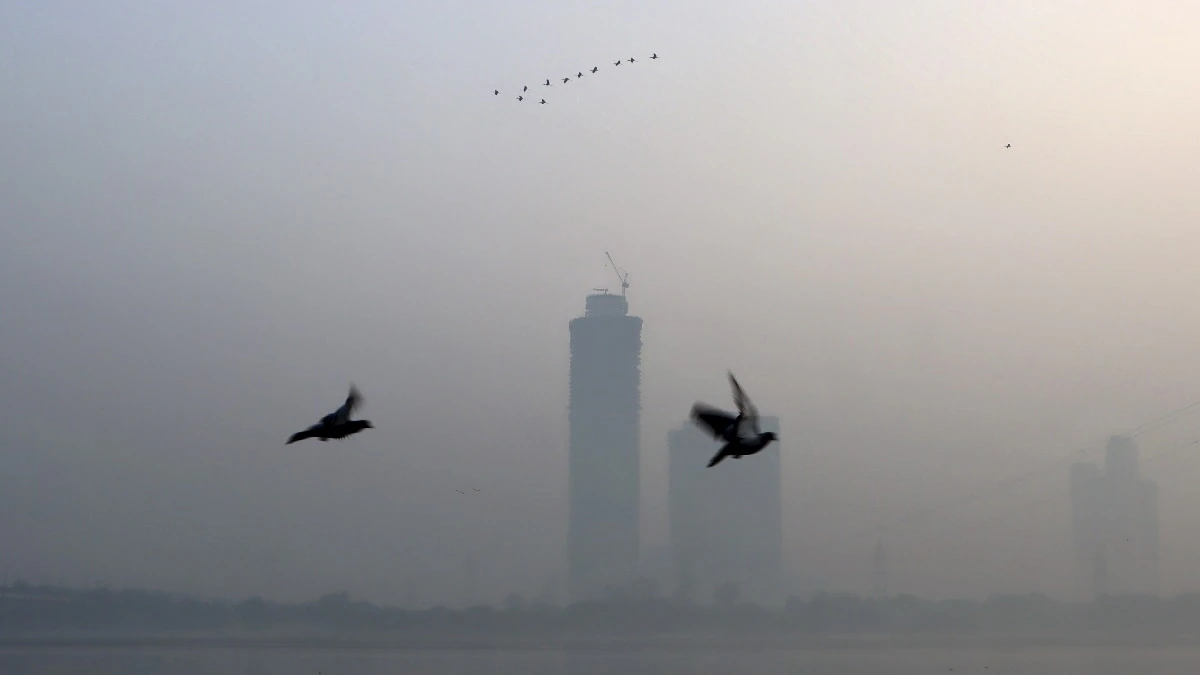
As visibility decreased due to the thick layer of smog, the situation highlighted the urgent need for effective solutions to combat air pollution in the capital. The visible impact of the pollution was evident, with commuters facing challenges while navigating the city.

Concerns Over Graded Response Action Plan Effectiveness

The Graded Response Action Plan (GRAP) is designed to implement progressively stricter measures as pollution levels rise. Stage I includes initiatives such as dust control at construction sites, mechanised road sweeping, and actions against open waste burning. However, an analysis conducted by the Centre for Research on Energy and Clean Air (Crea) on October 22 indicated that there has been no consistent improvement in Delhi’s air quality during the winter months since GRAP was revised in 2022.

Data shows that the city’s average AQI increased from 280 in the winter of 2022-23 to 295 in 2025-26. In ten out of twelve pollution episodes examined, the average AQI was higher in the week following the introduction of stricter measures compared to the week prior. While weather conditions and other variables can affect air quality readings, these findings suggest that the current restrictions may not be yielding the desired results.

Enforcement of these measures has also been a significant concern. In 2026, the Commission for Air Quality Management identified shortfalls ranging from 7 per cent to nearly 100 per cent in various necessary actions, including inspections at construction sites and road cleaning operations. The evidence indicates that consistent enforcement and sustained efforts to address pollution sources are essential, rather than relying solely on emergency measures.

Long or Short, get news the way you like. No ads. No redirections. Download Newspin and Stay Alert, The CSR Journal Mobile app, for fast, crisp, clean updates!

App Store – https://apps.apple.com/in/app/newspin/id6746449540

Google Play Store – https://play.google.com/store/apps/details?id=com.inventifweb.newspin&pcampaignid=web_share

Latest News

Popular Videos
