


Pakistan Experiences Significant LPG Price Surge Following Closure of Iran Border Crossings
The CSR Journal Magazine

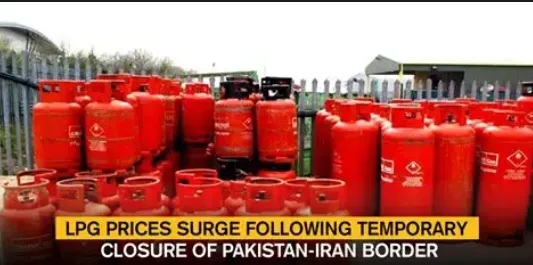
The recent closure of two key border crossings between Pakistan and Iran has led to a substantial increase in liquefied petroleum gas (LPG) prices in Pakistan. The Gabd-Rimdan and Taftan crossings were shut on October 17, causing a reported disruption in LPG supplies and resulting in shortages across the country. According to reports, hundreds of trucks are stranded, complicating cross-border trade and exacerbating the situation.

Authorities in Balochistan, where the crossings are located, indicated that the closures were implemented to address security issues and combat smuggling. In contrast, Iran’s foreign ministry attributed the closures to technical difficulties. The differing explanations from both nations have added to the uncertainty surrounding the situation.

As a result of these disruptions, the price of a 12-kg LPG cylinder has surged dramatically from 4,500 Pakistani rupees ($16) to approximately 7,000 rupees ($25) within a matter of days. Traders have expressed concerns that prices may continue to rise if the supply issues are not resolved promptly.

Stranded Goods and Impact on Trade

The closure of the border crossings has not only affected LPG supplies but has also halted the movement of various goods between Pakistan and Iran. Reports indicate that over 1,000 Pakistani containers, which include perishable items such as potatoes, bananas, and rice, are currently stuck at the border. While the Gabd-Rimdan crossing was reopened on Wednesday to facilitate the export of these goods, LPG imports remain suspended.

The Quetta Chamber of Commerce and Industry has advised its members to refrain from placing new orders from Iran until the situation stabilises. Truck drivers caught in the impasse have reported spending days in challenging conditions, with limited access to basic necessities. One driver, Abdul Ghani Baloch, stated that they had been waiting for over a week for the border to reopen.

As the situation unfolds, the economic implications of these disruptions are becoming increasingly apparent. The rising prices of LPG are also affecting the costs of other essential goods, leading to broader economic concerns.

Widespread Price Variations and Consumer Concerns

The LPG price surge has resulted in significant variations across different regions in Pakistan. Irfan Khokhar, Chairman of the Pakistan LPG Association, highlighted that prices differ considerably, with a 12-kg cylinder costing around 7,000 rupees in Balochistan, 7,500 rupees in Lahore, and 8,200 rupees in Skardu. This disparity is largely attributed to the ongoing supply shortages.

Consumers are already feeling the impact of these price hikes. For instance, Lahore resident Farhat Abbas reported that the cost of LPG has increased from 250 rupees per kg to between 500 and 600 rupees per kg. With winter approaching, there are growing fears among consumers that continued supply disruptions could lead to even higher prices and further shortages.

The closure of the border crossings poses a significant threat to the trading relationship between Pakistan and Iran. In the 2023-24 fiscal year, trade between the two countries was valued at approximately $2.8 billion, including around $684 million in Pakistani exports. Recent discussions between Pakistan’s army chief and Iranian leaders have focused on addressing border issues, with Iran’s foreign ministry indicating that consultations on resuming trade are currently underway.

Long or Short, get news the way you like. No ads. No redirections. Download Newspin and Stay Alert, The CSR Journal Mobile app, for fast, crisp, clean updates!

App Store – https://apps.apple.com/in/app/newspin/id6746449540

Google Play Store – https://play.google.com/store/apps/details?id=com.inventifweb.newspin&pcampaignid=web_share

Latest News

Popular Videos
