


IIT Madras Develops Titanium Dioxide Coating to Cut Delhi’s Air Pollution
The CSR Journal Magazine

The Indian Institute of Technology (IIT) Madras is conducting trials on a titanium dioxide coating designed to enhance air quality in Delhi. The coating has reportedly reduced gaseous pollutants by 30 to 70 per cent during laboratory tests, with glass surfaces showing the most effective results. While the coating may not address particulate matter, which is a significant contributor to Delhi’s winter air pollution, it could still positively impact the overall air quality index (AQI).

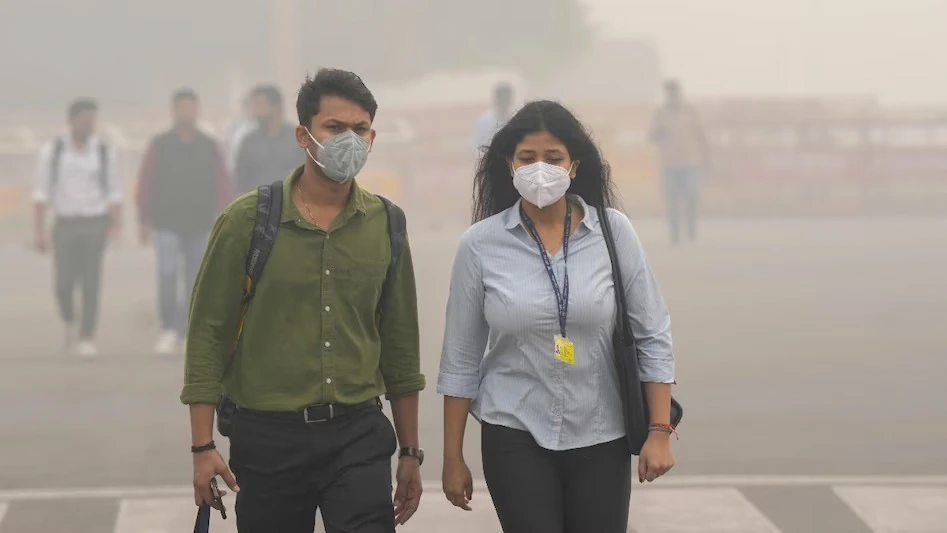
During winter months, PM2.5 levels in Delhi frequently exceed safe limits, with the AQI often remaining above 300 and reaching as high as 800 on certain days. Key factors contributing to elevated PM2.5 levels include crop-residue burning in neighbouring states, vehicle emissions, and stagnant weather conditions that trap pollutants in the atmosphere.

The health implications of high PM2.5 levels are severe, as these fine particles can penetrate deep into the lungs and enter the bloodstream, leading to respiratory and cardiovascular diseases. A study published in Lancet Planetary Health indicated that air pollution was responsible for approximately 1.24 million deaths in India in 2017, accounting for 12.5 per cent of total fatalities. Furthermore, the Air Quality Life Index estimated that PM2.5 exposure reduces life expectancy in Delhi by around a decade.

Government Initiatives and Collaboration with IIT Madras

The alarming health statistics and persistent high AQI levels have prompted the Delhi government to explore innovative solutions to combat air pollution. The smog-eating coating project is one such initiative, with a memorandum of understanding signed between the Delhi government and IIT Madras in March 2023. Researchers were initially tasked with presenting their findings within six months, a timeline that has now been extended by an additional three months.

Somnath Chanda Roy, a researcher from IIT Madras’ physics department, is leading the project. The coating functions as a photocatalyst, which means that when titanium dioxide absorbs light, it initiates chemical reactions that break down pollutant molecules that come into contact with it. The coating is intended for application on various surfaces, including roads, building walls, and glass facades, transforming existing urban structures into air-purifying surfaces.

Roy’s team has selected three specific surfaces for testing: road tar, building paint, and glass. The choice of glass is particularly relevant, as many modern office buildings feature extensive glazing. Each surface requires a unique coating application process, and the goal is to demonstrate that coated surfaces can significantly reduce the concentration of pollutants they encounter.

Challenges and Future Directions for the Coating Project

Despite its promising results, the coating has limitations, as it specifically targets gaseous pollutants and does not affect particulate matter. During winter, gaseous pollutants often combine with particulates, making the reduction of gaseous emissions particularly important. Environmental experts have expressed caution regarding the effectiveness of such coatings, suggesting they should not replace traditional pollution control measures.

Some studies have indicated that while coatings may perform well in controlled laboratory settings, their real-world impact on ambient nitrogen dioxide levels may be minimal, with reductions of only about 3 per cent. An epidemiologist at the All India Institute of Medical Sciences (AIIMS), New Delhi, emphasised that this technology should complement existing pollution control strategies rather than serve as a standalone solution.

As a preliminary report has been submitted to the Delhi government, and testing is ongoing. Officials are expected to evaluate the findings before a comprehensive report detailing the effectiveness of the coating is released. Roy stated that further experiments are necessary to assess the coating’s impact on road surfaces and non-glass building walls.

Long or Short, get news the way you like. No ads. No redirections. Download Newspin and Stay Alert, The CSR Journal Mobile app, for fast, crisp, clean updates!

App Store – https://apps.apple.com/in/app/newspin/id6746449540

Google Play Store – https://play.google.com/store/apps/details?id=com.inventifweb.newspin&pcampaignid=web_share

Latest News

Popular Videos
