


China Coast Guard Vessel Collides With Philippine Boat in South China Sea
The CSR Journal Magazine

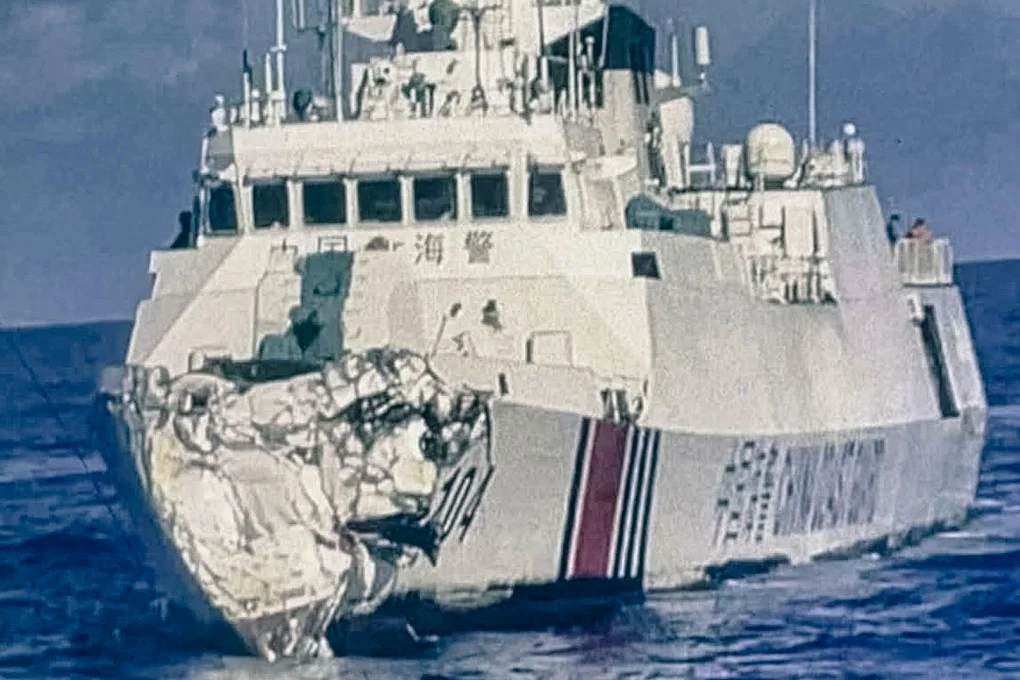
A China Coast Guard vessel collided with a Philippine boat on a resupply mission in the South China Sea on Friday, resulting in damage but no reported injuries. According to the Philippine Coast Guard (PCG), the incident occurred while the Bureau of Fisheries and Aquatic Resources (BFAR) vessel BRP Datu Magat Salamat was approximately 54 nautical miles from Palawan province.

The vessel was reportedly engaged in providing fuel to Filipino fishermen when it was struck by the China Coast Guard ship. The Philippine Coast Guard released a statement describing the events leading to the collision. They alleged that the China Coast Guard had executed a series of risky manoeuvres before making contact with the Filipino boat, which was involved in a humanitarian mission.

A video shared by the PCG captured crew members urging each other to “brace for impact!” just moments prior to the collision, which transpired at 11:13 a.m. local time (0313 GMT). After the incident, photographs taken revealed significant damage to the BFAR vessel, including bent and detached railings and scattered debris across the deck. The images depicted the extent of the impact, underscoring the seriousness of the encounter.

Responses from Authorities

In response to the incident, the China Coast Guard issued a statement asserting that it had been conducting law enforcement operations in the vicinity of Sabina Shoal on the same day. They alleged that the Philippine vessel had disregarded multiple warnings, altered its course, and accelerated to cross the path of their vessel, thereby causing the collision.

The China Coast Guard maintained that their vessel operated in a professional manner during the incident and placed responsibility for the collision on the Philippine side. This assertion follows a pattern of tensions between the two nations in their respective claims over the contested waters of the South China Sea.

Furthermore, previous encounters have heightened tensions in the region, including incidents where Manila accused Beijing of employing water cannons against Philippine vessels near Scarborough Shoal. Such confrontations have previously involved allegations of physical altercations, such as an incident where a wooden baton reportedly struck a Philippine Navy staff member, demonstrating the ongoing volatility in these disputed waters.

Implications for Future Relations

This latest incident underscores the continuing disputes between China and the Philippines in the South China Sea, a region marked by competing territorial claims. The Filipino government has previously expressed concerns regarding China’s assertive maritime activities, which have led to heightened military and strategic responses.

As tensions between the two countries escalate, analysts suggest that diplomatic efforts may be necessary to mitigate potential confrontations in the future. With the dramatic increase in skirmishes and maritime incidents, it has become evident that both nations will need to navigate their claims carefully to avoid further escalation.

In light of recent developments, both sides may face pressure to establish clearer communication channels in order to avoid similar incidents moving forward. The global implications of stability in the South China Sea involve not only regional security but also the broader strategic interests of nations with vested interests in maritime navigation and resource exploration.

Long or Short, get news the way you like. No ads. No redirections. Download Newspin and Stay Alert, The CSR Journal Mobile app, for fast, crisp, clean updates!

App Store –  https://apps.apple.com/in/app/newspin/id6746449540 

Google Play Store – https://play.google.com/store/apps/details?id=com.inventifweb.newspin&pcampaignid=web_share

Latest News

Popular Videos
