


Bangladesh Prepares for its First Presidential Election in 35 Years
The CSR Journal Magazine

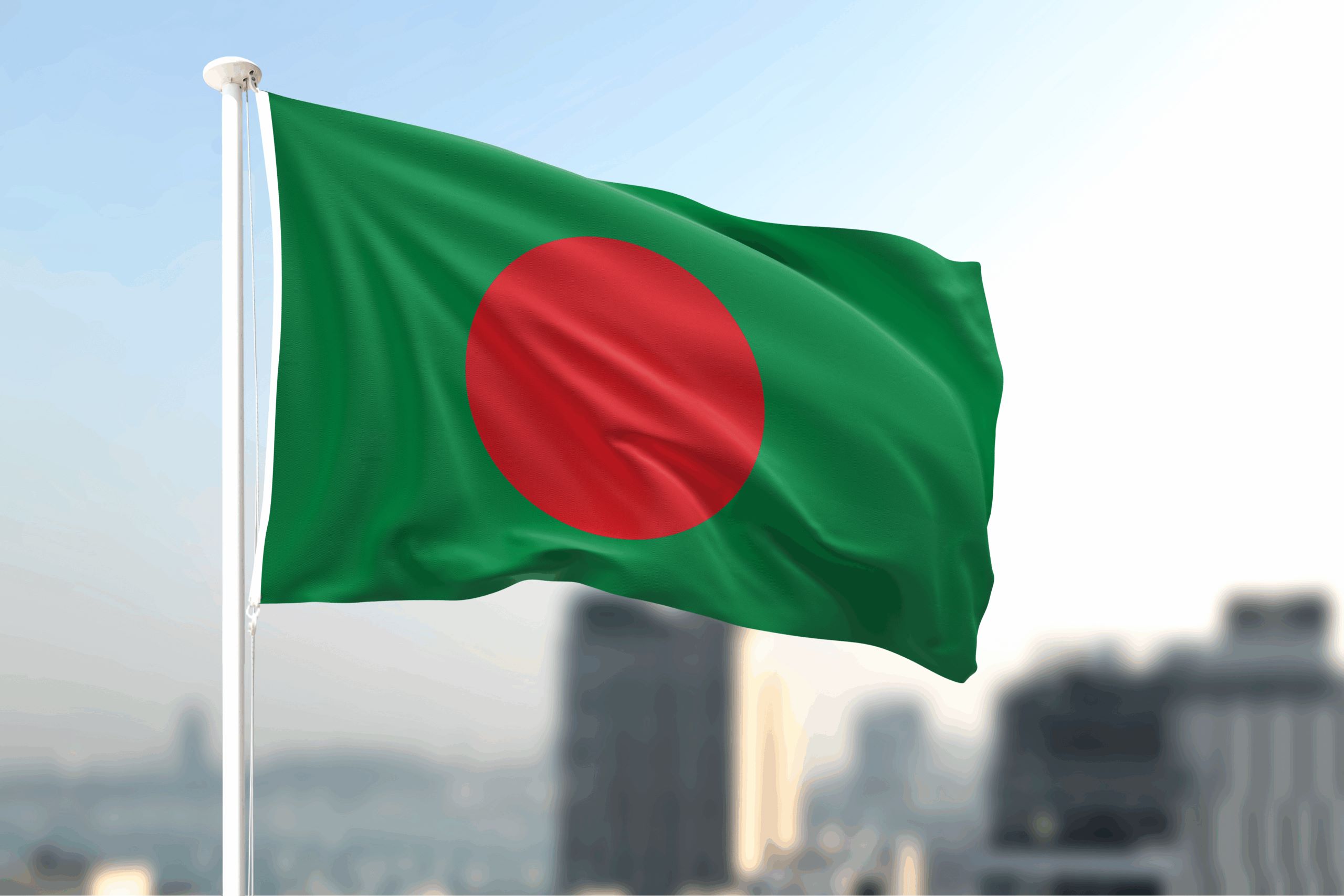
Bangladesh is set to conduct its presidential election on August 20, 2026, marking the first instance of voting for this office in over three decades. Lawmakers will vote between Mirza Fakhrul Islam Alamgir of the ruling Bangladesh Nationalist Party (BNP) and Colonel (retd) Oli Ahmed, representing an 11-party opposition alliance led by Jamaat-e-Islami. The Election Commission has scheduled the voting to occur in Parliament from 2:00 pm to 5:00 pm.

The upcoming election became necessary following the resignation of Mohammed Shahabuddin, a close associate of former prime minister Sheikh Hasina, who stepped down last month due to health issues before completing his five-year term. Under the Bangladeshi Constitution, a successor must be chosen within 90 days of the office being vacated.

The Parliamentary Speaker, Hafiz Uddin Ahmad, is currently serving as acting president. The Election Commission confirmed the validity of the nomination papers for both candidates on August 16. This election will be crucial for determining the officeholder for what many see as a pivotal role in the country’s governance.

Candidates Backgrounds and Political Significance

Mirza Fakhrul Islam Alamgir, aged 78, is a veteran leader within the BNP, having played a significant role in the party for over 20 years. He has served as acting secretary general since 2011 and officially took on the role in 2016. Alamgir’s leadership was particularly notable during challenging times for the party, including the imprisonment of former chairperson Zia and during Prime Minister Tarique Rahman’s absence abroad.

Colonel (retd) Oli Ahmed, the candidate from the opposition alliance, is also a significant political figure. As the chairman of the Liberal Democratic Party and a recipient of the Bir Bikram award, he has a distinguished military background. His campaign represents a challenge to the ruling party’s dominance and seeks to offer an alternative to the electorate.

The BNP, which secured a two-thirds majority in Parliament during the elections on February 12 earlier this year, significantly strengthens Alamgir’s position as a likely presidential successor. If elected, he would become the 23rd president of Bangladesh, a role primarily considered ceremonial, yet possessing important constitutional powers.

Implications of the Upcoming Election

The role of the president in Bangladesh’s parliamentary democracy is largely ceremonial; however, the office does hold essential responsibilities such as appointing the prime minister and the chief justice. The president also serves as the supreme commander of the armed forces, although these powers are usually exercised under the prime minister’s guidance.

The current political landscape also suggests that the presidency could gain added significance given the recently reintroduced caretaker government system, intended to oversee general elections. Political analysts have indicated that the president’s powers could escalate during election periods, particularly in managing military forces.

Moreover, Alamgir’s nomination could serve as a strategic move by the BNP, which had included in its election manifesto proposals to amend the Constitution, thereby enhancing presidential powers. The outcome of the election could shape the future political framework, impacting both domestic policies and international relations.

Long or Short, get news the way you like. No ads. No redirections. Download Newspin and Stay Alert, The CSR Journal Mobile app, for fast, crisp, clean updates!

App Store –  https://apps.apple.com/in/app/newspin/id6746449540 

Google Play Store – https://play.google.com/store/apps/details?id=com.inventifweb.newspin&pcampaignid=web_share

Latest News

Popular Videos
