


Political Instability and Rising Costs of Living Drive Bangladesh Towards Economic Collapse
The CSR Journal Magazine

The escalating cost of living in Bangladesh has transcended mere market fluctuations, severely impacting the real incomes of its citizens. Many households are compelled to reduce their daily expenditures as inflation continues to erode their purchasing power. Recent findings from the International Monetary Fund (IMF) indicate that significant hikes in food and energy prices do not result in temporary inflation; rather, they impose long-lasting repercussions on the economy and its institutions. This trend is expected to persist in Bangladesh, exacerbating existing poverty levels.

According to a report by Reuters, a new IMF economic model has revealed that inflation disproportionately affects poorer households. The model estimates that between 2021 and 2024, approximately 23 million additional individuals may fall into extreme poverty compared to earlier projections. This alarming data will be included in the upcoming World Economic Outlook published by the IMF.

The situation is further complicated by misleading statistics that suggest a decline in inflation. These figures are based on comparisons with the unusually high inflation rates of 2025, masking the true economic hardship faced by many. In politically stable nations, rising energy prices are often viewed as the primary driver of inflation; however, in Bangladesh, as well as in Afghanistan and Myanmar, multiple factors contribute to the inflationary crisis.

Political Factors Contributing to Economic Decline

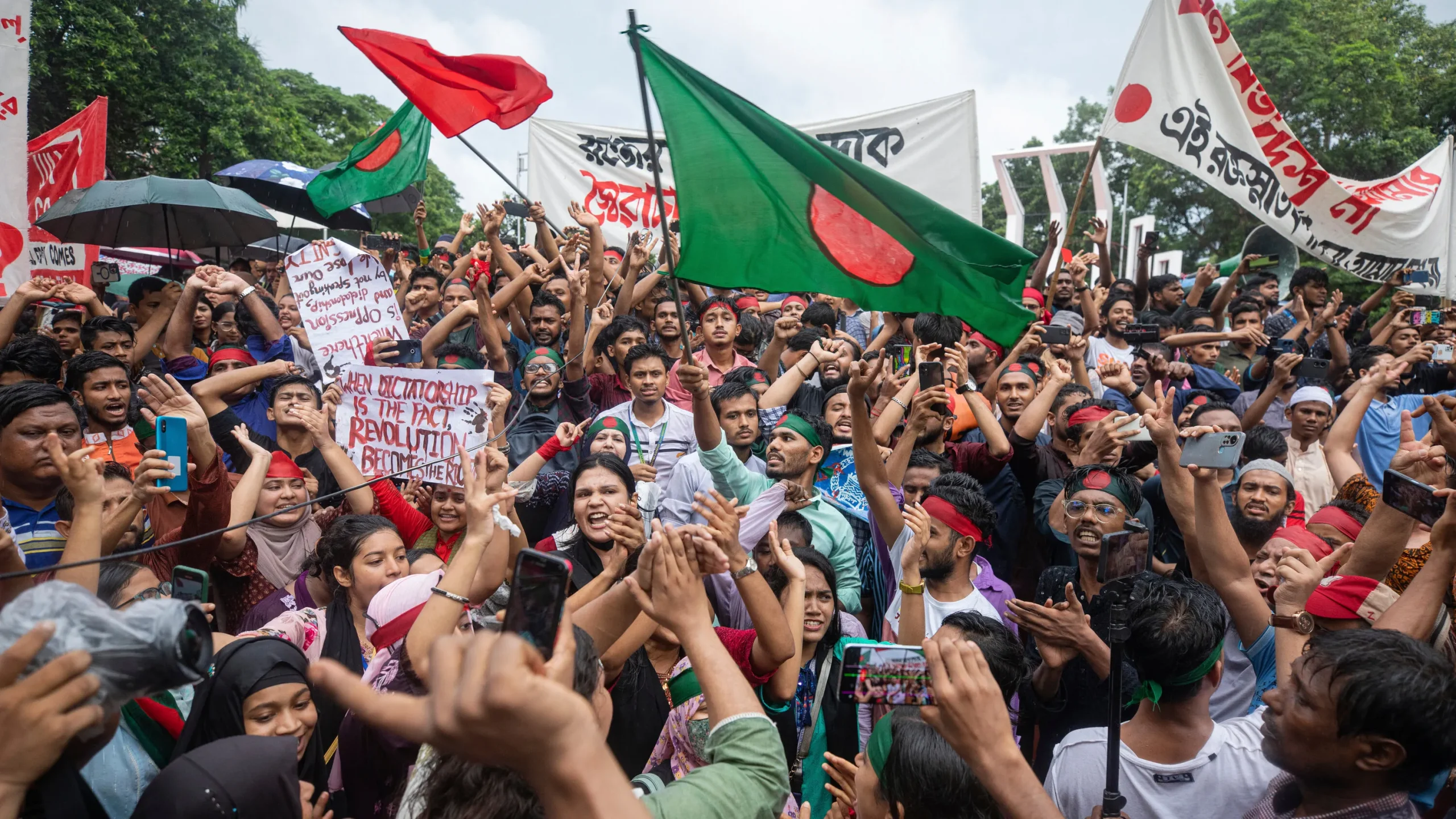
Political instability has played a significant role in Bangladesh’s economic turmoil. The country has experienced a dismantling of state structures, particularly following the controversial rise to power of a figure named Yunus. His actions, supported by various militant groups and political parties, have led to increased chaos and weakened governance. This has included the enactment of laws that protect individuals involved in violent acts against state officials, further undermining public trust in institutions.

In the wake of these developments, a government was formed under the guise of an election that did not represent the broader populace, leading to a lack of political stability. The absence of a legitimate and representative government has resulted in a deepening economic crisis, with Bangladesh now facing challenges similar to those in Afghanistan and Myanmar.

As political unrest continues, the economic landscape is deteriorating. The reluctance of both domestic and foreign investors to engage in the market is exacerbating the stagnation. The current administration, often seen as a continuation of Yunus’s policies, struggles to address the multifaceted issues of inflation and poverty, which cannot be solely attributed to rising energy prices.

Implications for Future Economic Stability

The World Bank’s October 2026 development update has highlighted the worsening economic conditions in Bangladesh, indicating a rise in poverty and inequality. The report notes that around 2.1 million more individuals fell into poverty in the last fiscal year, with job creation stagnating and women disproportionately affected by job losses. These trends suggest that nearly one-third of the population is at risk of being pushed back into poverty due to unforeseen shocks.

Healthcare services are also suffering, with rising costs for medical diagnostics affecting middle-class families. The situation has reached a point where families are forced to sell assets to afford treatment for their sick children. The World Bank identifies the ongoing political instability as a significant shock to the economy, further complicating efforts to recover.

To navigate these challenges, Bangladesh requires effective political leadership and a stable governance framework. The recommendations from financial institutions such as the World Bank and IMF emphasise the need for reforms in the energy and financial sectors. However, the key to sustainable economic growth lies in establishing a stable political environment that fosters inclusivity and effective governance.

Long or Short, get news the way you like. No ads. No redirections. Download Newspin and Stay Alert, The CSR Journal Mobile app, for fast, crisp, clean updates!

App Store – https://apps.apple.com/in/app/newspin/id6746449540

Google Play Store – https://play.google.com/store/apps/details?id=com.inventifweb.newspin&pcampaignid=web_share

Latest News

Popular Videos
