


Mumbai’s Air Quality Index Reaches 322 Amid Rising Pollution from Traffic
The CSR Journal Magazine

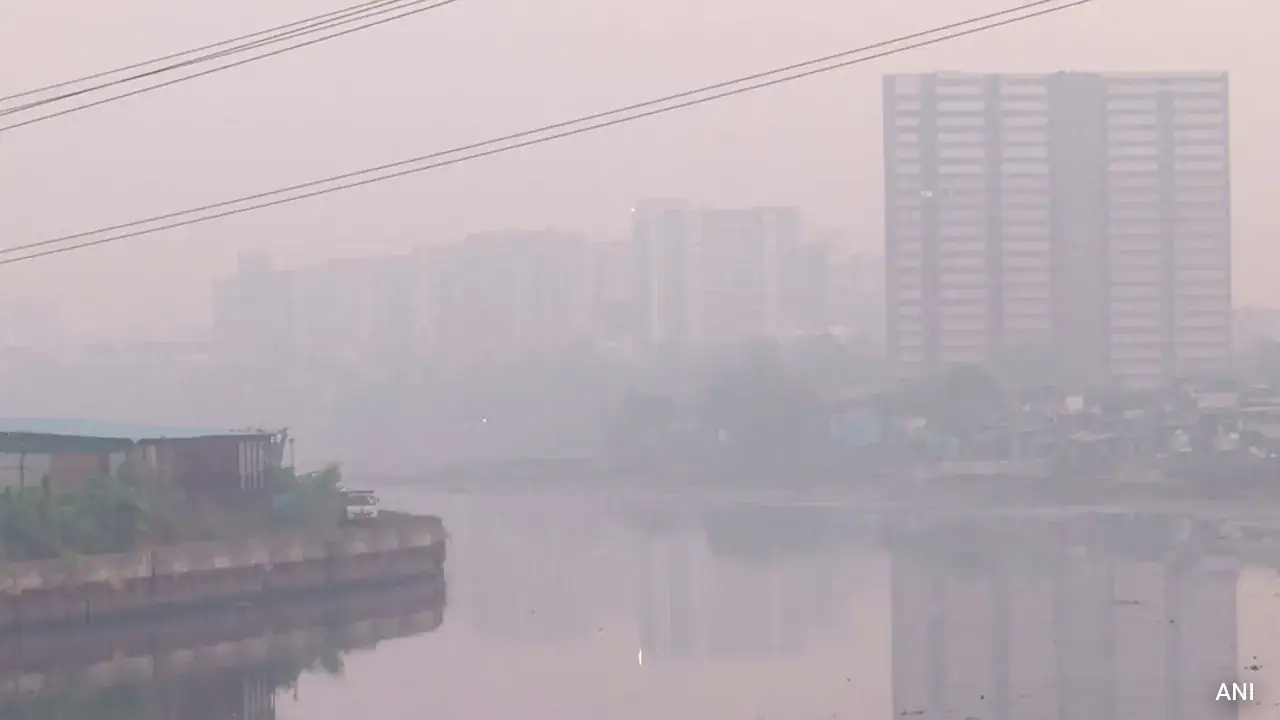
Mumbai’s air quality is deteriorating, revealing a broader urban pollution issue exacerbated by road dust, vehicle emissions, industrial activities, and ongoing construction. Recent assessments indicate that the city’s Air Quality Index (AQI) reached 322 on October 24, categorising it as very poor. This figure starkly contrasts with Delhi’s AQI of 176 on the same day, although a single day’s data does not provide a comprehensive view of long-term air quality trends.

A scientific study published in the journal Urban Climate in 2024 identified transport, windblown road dust, and industrial activity as significant contributors to Mumbai’s PM10 emissions. The study estimated these sources account for 19.6 per cent, 19.4 per cent, and 18.9 per cent of emissions, respectively. The findings were based on an emissions inventory from 2020, offering a valuable perspective on pollution sources rather than daily measurements.

Road dust plays a crucial role in the city’s pollution, particularly due to extensive infrastructure projects and heavy traffic. Dust from roads and construction sites can be re-suspended into the air by passing vehicles, while congestion leads to increased vehicle emissions accumulating in busy areas.

Weather Conditions and Coastal Location Impact Air Quality

Despite Mumbai’s coastal position, which is often thought to aid in dispersing pollution, weak winds can lead to the accumulation of harmful emissions. Weather patterns can significantly affect the dispersion of pollutants, with humidity and airborne sea-salt particles contributing to visible haze. The Brihanmumbai Municipal Corporation (BMC) has identified sodium chloride from seawater as a factor in atmospheric haze, but this alone does not account for the city’s declining air quality.

Vehicle emissions, industrial pollutants, and particulate matter remain pressing issues. Additionally, pollution may originate from outside municipal boundaries, with open garbage burning and agricultural fires contributing to the city’s air quality challenges when winds carry smoke into urban areas. The impact of these external sources varies based on location and weather conditions.

Recent reports from the High Court have raised concerns about Mumbai’s pollution levels, questioning the effectiveness of current measures and highlighting the need for improved monitoring and enforcement strategies.

Challenges in Monitoring and Enforcement of Pollution Control

The effectiveness of Mumbai’s pollution control efforts is hindered by the reliability of monitoring systems. Discrepancies in air quality readings from nearby monitoring stations have been reported, including unusually low readings from sensors located at construction sites. Such inconsistencies emphasise the necessity for regular checks on sensor performance and independent verification of suspicious data.

In response, the BMC has implemented 28 pollution-control guidelines for construction sites and established 76 ward-level squads to conduct daily inspections. Discussions are also underway regarding the use of artificial intelligence to identify malfunctioning sensors at construction sites. However, the success of these initiatives will depend on consistent enforcement of regulations.

Maharashtra’s clean-air action programme for the Mumbai Metropolitan Region aims to broaden its focus to include road cleaning, disposal of construction debris, industrial emissions, and vehicle pollution. Authorities have emphasised the need for action against vehicles transporting construction materials in violation of regulations.

Ultimately, Mumbai’s challenge extends beyond merely reducing dust at construction sites. The city must address road dust, traffic emissions, industrial pollution, and open burning while enhancing the reliability of air quality monitoring systems. The real test will be whether these measures lead to sustained improvements in air quality across various neighbourhoods, rather than temporary relief during favourable weather conditions.

Long or Short, get news the way you like. No ads. No redirections. Download Newspin and Stay Alert, The CSR Journal Mobile app, for fast, crisp, clean updates!

App Store – https://apps.apple.com/in/app/newspin/id6746449540

Google Play Store – https://play.google.com/store/apps/details?id=com.inventifweb.newspin&pcampaignid=web_share

Latest News

Popular Videos
