


Bangladesh Links Stronger India Ties to Urgent Ganges Water-Sharing Treaty Talks: BNP Minister
The CSR Journal Magazine

The Bangladesh Nationalist Party (BNP) has stated that future relations between Dhaka and New Delhi are contingent on the renewal of the Ganges Water Sharing Treaty. The party pressed India for urgent negotiations to establish a new agreement that aligns with the needs and expectations of Bangladesh. Currently, the existing treaty, which was signed in 1996 under the leadership of Sheikh Hasina, is scheduled to expire in December 2026.

BNP Secretary General Mirza Fakhrul Islam Alamgir addressed an event in Dhaka, emphasising the need for immediate discussions to finalise a revised agreement. He communicated a clear position from Bangladesh to India, insisting that any new treaty must serve the interests of the Bangladeshi population. Alamgir distinctly noted that the opportunity for fostering good relations with India hinges on the establishment of a fresh water-sharing treaty.

Further, Alamgir proposed that the current agreement should remain in effect until a new one is ratified, and he suggested that future arrangements should not be confined to a predetermined period. This statement reflects the BNP’s strategic approach to ensure continuous access to vital water resources.

Importance of the Ganges River

The Ganges River, known as the Padma once it enters Bangladesh, is critical to the country’s agriculture, biodiversity, and water supply systems. Bangladesh, characterised by its network of rivers, including 54 that originate in or flow through India, relies heavily on transboundary water-sharing agreements. Alamgir highlighted that approximately one-third of Bangladesh’s population, amounting to over 56 million people, depend on these river systems for their livelihood and ecological stability.

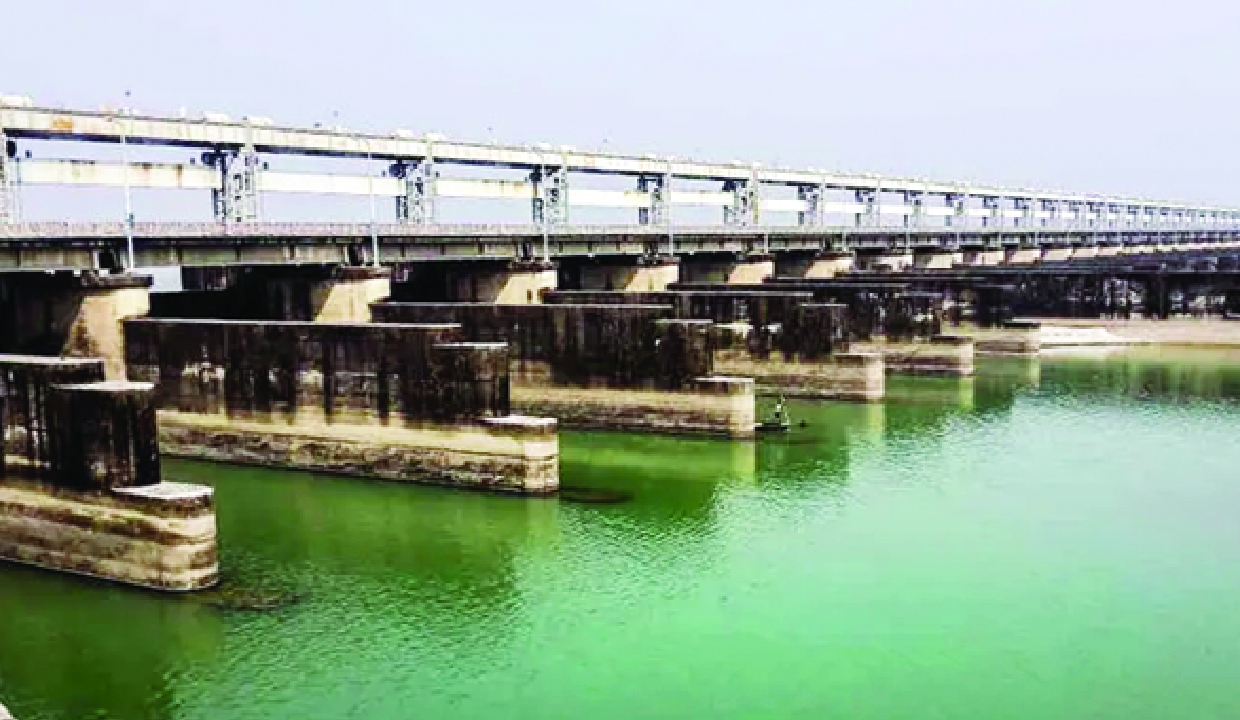
The discussions surrounding the Ganges River, particularly concerning the Farakka Barrage, have been politically and emotionally sensitive in Bangladesh. Experts and officials have long contended that diminished water flow during the dry season, attributed to the Farakka Barrage, has exacerbated issues like salinity intrusions and adverse ecological impacts in various regions. India’s position is that the barrage was constructed primarily to enhance navigability at Kolkata Port by diverting water towards the Hooghly River.

This ongoing dialogue continues to be significant as both nations explore sustainable solutions to shared water resources amidst changing environmental conditions.

Bangladesh’s New Barrage Project Complicates Negotiations

The remarks by the BNP leader coincided with Bangladesh’s recent approval of a significant infrastructure project aimed at constructing a barrage on the Padma River. This initiative is intended to counteract the negative impacts attributed to the Farakka Barrage in India’s West Bengal. The project, slated for completion by 2033, received the green light from the Executive Committee of the National Economic Council, with discussions led by Prime Minister Tarique Rahman.

Bangladesh’s Water Resources Minister, Shahiduddin Chowdhury Anee, stated that the proposed Padma Barrage directly addresses national interests and does not necessitate consultations with India. Anee remarked that ongoing discussions regarding the Ganges Water Sharing Treaty are essential but separate from the barrage project.

The approval of the barrage has elicited a mixed response from experts. Leading water resources specialist Ainun Nishat cautiously welcomed the initiative but underscored that its success is dependent on the continuity of the bilateral water-sharing agreement. Other experts voiced concerns that the new barrage could escalate sediment deposition and increase riverbed levels, thereby compounding existing issues related to the Farakka Barrage.

Indian Government’s Position on Water Issues

The Indian government has asserted that all water-related matters with Bangladesh are addressed through established bilateral frameworks. In a recent statement, Ministry of External Affairs spokesperson Randhir Jaiswal reiterated that India and Bangladesh discuss shared water resources through structured platforms, maintaining regular communication on these issues.

During the same briefing, Jaiswal also referenced the Indus Waters Treaty, indicating that it remains inactive due to Pakistan’s endorsement of cross-border terrorism. He emphasised India’s right to self-defence against such threats, showcasing the complexities in regional water-sharing negotiations.

The situation continues to evolve as both countries navigate their mutual interests surrounding the Ganges River and associated agreements, underscoring the importance of diplomacy in addressing cross-border water challenges.

Long or Short, get news the way you like. No ads. No redirections. Download Newspin and Stay Alert, The CSR Journal Mobile app, for fast, crisp, clean updates!

App Store –  https://apps.apple.com/in/app/newspin/id6746449540 

Google Play Store – https://play.google.com/store/apps/details?id=com.inventifweb.newspin&pcampaignid=web_share

Latest News

Popular Videos
