


Apple At 50: iPhone Set For Biggest Overhaul Yet With AI And Foldable Push
The CSR Journal Magazine

As Apple marks fifty years since its founding, the company appears to be gearing up for one of the most significant transformations in the iPhone’s history, combining artificial intelligence ambitions with a potential entry into foldable devices.

From its early days in Steve Jobs’ family garage in 1976 to redefining smartphones with the iPhone in 2007, Apple has built its legacy on making advanced technology accessible. Half a century later, that philosophy remains intact, even as the company navigates new challenges in artificial intelligence and shifting consumer expectations.

Focus And Expansion Define Apple’s Strategy

Apple’s longevity in a volatile consumer technology market has often been attributed to its disciplined approach. Chief Executive Officer Tim Cook recently reiterated that “focus” continues to be the company’s defining strength, a strategy that is increasingly visible in its 2026 product roadmap.

Earlier this month, Apple introduced its most affordable laptop yet, the MacBook Neo, starting at $599, or Rs 69,990 in India. Notably powered by an iPhone chip, the device signals Apple’s intent to blur the lines between its product categories while expanding access to its ecosystem.

This dual strategy of widening entry points while simultaneously pushing premium innovation highlights Apple’s evolving market positioning. At one end, it is lowering barriers for new users; at the other, it is preparing to introduce high-end devices that could redefine the upper limits of pricing and capability.

AI Partnership Signals Strategic Shift

While Apple has long differentiated itself through tightly integrated hardware and software, the rapid rise of artificial intelligence has exposed gaps in its offering. The company’s earlier push under the banner of Apple Intelligence in 2024, centred on writing and photo tools, fell short of expectations in an increasingly competitive AI landscape.

In response, Apple has entered into a multi-year collaboration with Google to integrate its Gemini AI models into future Apple Intelligence features. The partnership is expected to power a more personalised version of Siri, with further details likely to emerge at the Worldwide Developers Conference beginning June 8.

The move marks a notable shift for Apple, which has historically positioned itself as a privacy-focused alternative to data-driven rivals. The integration of Google’s large language models raises questions about how Apple will balance enhanced AI capabilities with its longstanding “Privacy. That’s iPhone” promise.

The leadership reshuffle within Apple’s AI division, including the exit of former AI chief John Giannandrea and the appointment of Amar Subramanya, underscores the urgency behind this pivot. Industry watchers see the partnership as an acknowledgement that Apple needed external support to accelerate its AI ambitions.

Foldable iPhone Could Reshape Premium Segment

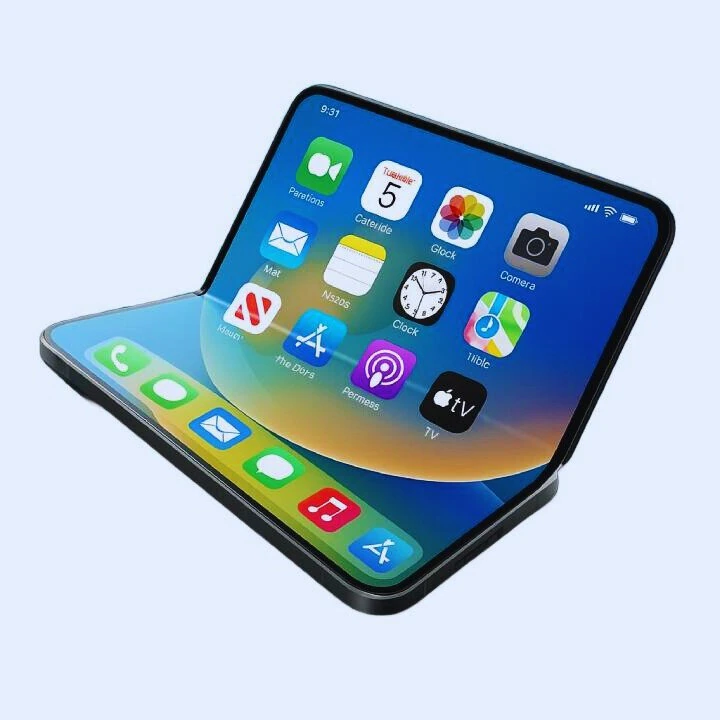
Alongside software changes, Apple is also expected to introduce a foldable iPhone later this year, potentially marking its biggest hardware shift since the iPhone X. While competitors have already entered the foldable space, Apple’s approach could bring the category into the mainstream.

Reports suggest the device may feature advanced “self-healing” display technology aimed at minimising visible creases, a long-standing concern with foldable screens. More significantly, the foldable iPhone is expected to position itself as a hybrid device, potentially replacing smaller tablets like the iPad Mini.

Such a device could create a new ultra-premium category within Apple’s portfolio, with prices reportedly approaching $2,000. This would widen the gap between entry-level users and those opting for cutting-edge innovation, reinforcing Apple’s dual strategy of accessibility and exclusivity.

As Apple enters its sixth decade, the iPhone appears set to become more intelligent, adaptable and complex. While these changes promise a more capable and personalised user experience, they also raise concerns around pricing, ecosystem dependence and data privacy.

Yet, if history is any indication, Apple’s ability to reshape consumer expectations remains intact. Fifty years on, it continues to command attention, proving that even in a crowded technology landscape, it still knows how to make the world watch.

Long or Short, get news the way you like. No ads. No redirections. Download Newspin and Stay Alert, The CSR Journal Mobile app, for fast, crisp, clean updates!

App Store –  https://apps.apple.com/in/app/newspin/id6746449540 

Google Play Store – https://play.google.com/store/apps/details?id=com.inventifweb.newspin&pcampaignid=web_share

Latest News

Popular Videos
