


Amazon Launches Drone Delivery Service in US to Speed Up Prime Orders
The CSR Journal Magazine

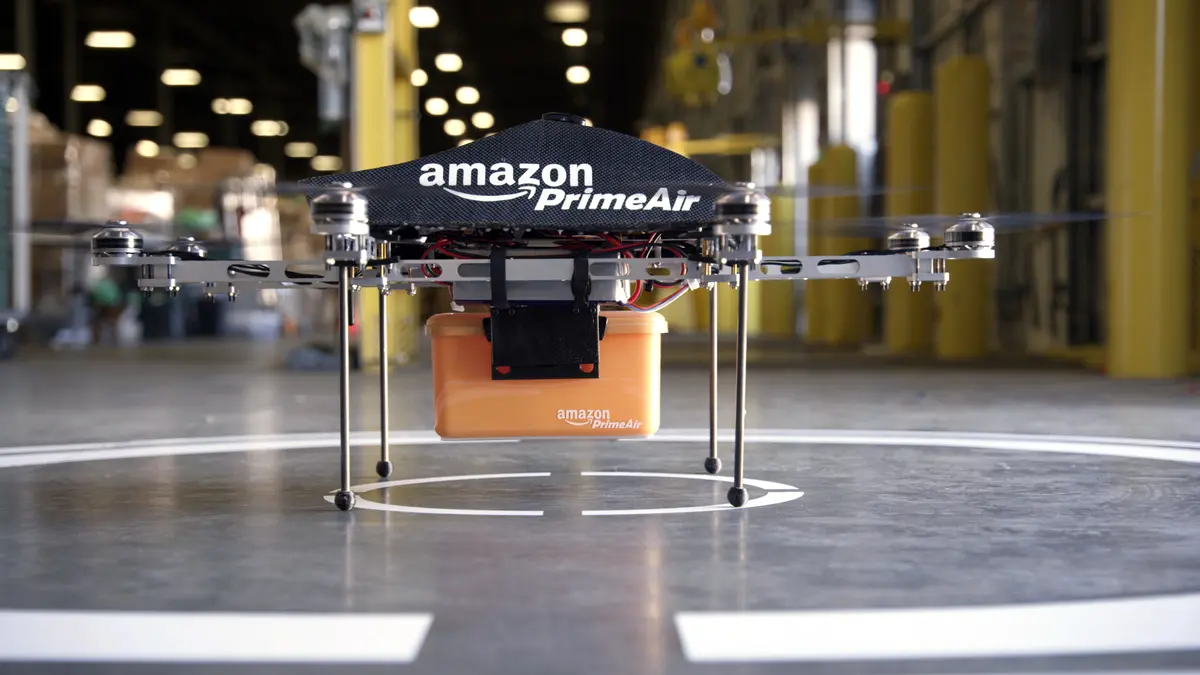
Amazon has launched a drone delivery service, aiming to expedite Prime deliveries in several cities across the United States. This move is a response to decreasing attention spans and rising consumer impatience regarding package arrivals. The swift delivery model has gained particular traction in densely populated regions like India, where services tout 10-minute delivery times.

Footage of Amazon’s Prime Air service recently gained significant attention on social media, revealing drones releasing packages from a height of approximately three metres. While the intention is to hasten the delivery process, the method of dropping parcels in this manner has raised concerns about potential damage to the items as well as safety risks for bystanders.

The service, which marks a shift towards more innovative logistics solutions, is still in its early stages. Despite the popularity of immediate delivery options, these aerial deployments face scrutiny regarding their effectiveness and practicality in real-world scenarios.

Obstacle Detection Issues

Chad Butler, a former head of information security for Amazon’s drone programme, elaborated on the challenges drones encounter in detecting obstacles. Two primary strategies exist for drones to navigate safely. One method employs a system known as ADS-B, which broadcasts data relating to a drone’s altitude, heading, and speed. This system creates an awareness environment for multiple drones, helping them avoid collisions.

However, this method has significant limitations, including the vulnerability to external hacking via GPS spoofing, which could lead to malicious incidents. The reliability of these safety measures is vital for the widespread acceptance of drone delivery systems among consumers and regulatory bodies.

Another approach relies on onboard sensors, akin to those used in robotic systems, which aim to detect surrounding obstacles. Past incidents have shown that this technology is not foolproof; robots have exhibited errors in navigation even in controlled environments. For example, a recent incident at Disneyland Paris saw a robot malfunction during an interactive display, leading to both humorous and concerning reactions from visitors.

Future of Drone Deliveries and Robotic Advancements

The trajectory of drone delivery technology is uncertain, but advancements are being made at a rapid pace. The evolution of robotics is evident, and the potential for improving drone delivery systems lies in the innovation choices made by companies. While there are amusing instances of robotic failures circulating on the internet, these moments also highlight the ongoing need for improvement in the underlying technologies.

In parallel developments, a Chinese robotics firm, Unitree Robotics, has showcased an impressive advance in humanoid robotics. Their H1 robot has achieved a record sprint speed of ten metres per second, demonstrating enhanced capabilities in movement and agility. This achievement reflects not only technological progress in robotics but also raises questions about how these advancements may influence delivery methods in the future.

In conclusion, while the drone delivery service by Amazon aims to cater to growing customer demands for quicker service, it must address significant technical challenges. The balance between speed and safety will be vital for the future of drone logistics and the overall perception of robotic delivery solutions among consumers.

Long or Short, get news the way you like. No ads. No redirections. Download Newspin and Stay Alert, The CSR Journal Mobile app, for fast, crisp, clean updates!

App Store –  https://apps.apple.com/in/app/newspin/id6746449540 

Google Play Store – https://play.google.com/store/apps/details?id=com.inventifweb.newspin&pcampaignid=web_share

Latest News

Popular Videos
