


Maharashtra Government Reduces VAT on Jet Fuel to 7%
The CSR Journal Magazine

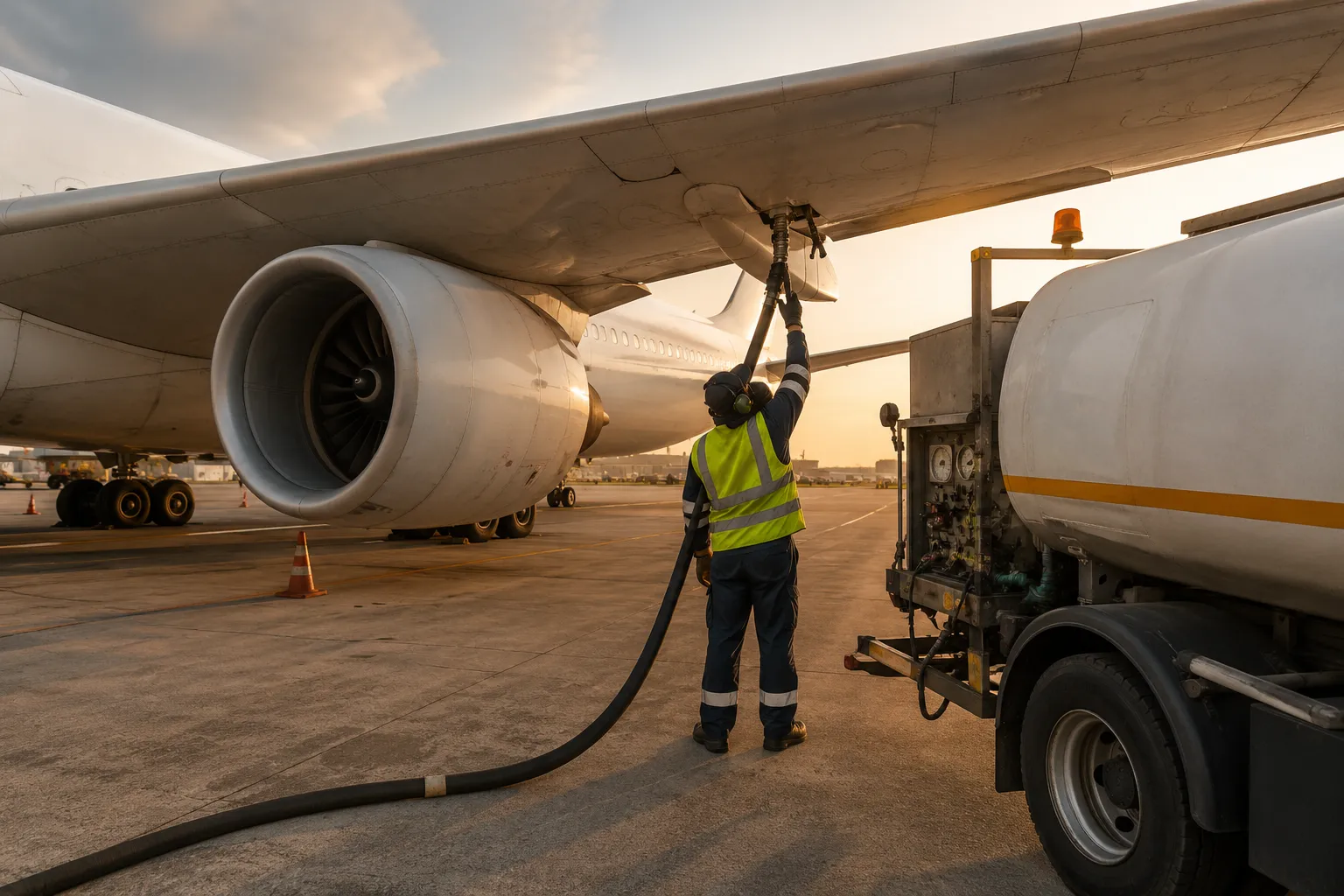
The Maharashtra government has announced a reduction in the Value Added Tax (VAT) on aviation turbine fuel (ATF) from 18 per cent to 7 per cent. This decision aims to offer relief to airlines that have been facing increased fuel costs amid the ongoing conflict in West Asia. The new VAT rate will be in effect until November 14, as mentioned in a government order reviewed by The Economic Times.

This tax reduction is particularly timely, considering the impact of rising global jet fuel prices resulting from geopolitical tensions. Fuel costs constitute a major portion, accounting for nearly 35-40 per cent of an airline’s operating expenses. Consequently, this change is expected to lower refuelling costs at Mumbai airport, which is the second-busiest in India, managing around 15 per cent of the nation’s air traffic.

Other cities such as Pune and Nagpur are also poised to see benefits from this tax adjustment. The Ministry of Civil Aviation has been advocating for states like Maharashtra, Delhi, Tamil Nadu, and West Bengal to lower their VAT rates on jet fuel, as these regions impose some of the highest taxes on ATF across the country.

Mumbai’s Competitive Position Strengthened

The tax reduction is anticipated to enhance Mumbai’s competitive edge in comparison to Delhi, where the VAT on jet fuel remains at 25 per cent. This strategic decision seeks to attract more airline operations to Mumbai, a city that faces stiff competition from the national capital in terms of air traffic management.

As jet fuel prices have escalated dramatically over recent months, this tax cut comes at a pivotal moment for the aviation industry. Reports indicate that average global jet fuel prices climbed to USD 162.89 per barrel for the week ending May 8, a notable increase from USD 99.40 per barrel at the end of February. This sharp rise in fuel costs places additional pressure on airline profitability.

Airlines have long contended that India’s tax framework makes jet fuel exceptionally expensive. The current VAT system charges tax as a percentage of fuel prices, thereby increasing the tax burden as global crude oil prices rise. In light of this situation, the industry has repeatedly requested that aviation turbine fuel be included under the Goods and Services Tax (GST) regime, which would allow airlines to claim input tax credits for fuel purchases and thereby lower their operational costs.

Short-Term Relief Amid Rising Global Prices

The recent tax relief is expected to provide temporary relief to airlines as they navigate high fuel costs, geopolitical uncertainties, and mounting pressures on profit margins. Tata Group-owned Air India has recently announced a temporary reduction in certain international services for three months due to soaring fuel prices and has indicated that further service cuts may follow if jet fuel prices remain elevated.

Given the critical state of the aviation sector, the Maharashtra government’s decision is a significant step towards supporting airlines during a tumultuous period. Stakeholders in the aviation industry are hopeful that such measures will foster a more conducive environment for operational sustainability.

As local governments respond to these economic pressures, the effectiveness of the VAT reduction in alleviating the financial burdens faced by airlines will be closely monitored. The future of the aviation industry may depend on how quickly states can adapt their tax policies in response to ongoing global changes.

Long or Short, get news the way you like. No ads. No redirections. Download Newspin and Stay Alert, The CSR Journal Mobile app, for fast, crisp, clean updates!

App Store –  https://apps.apple.com/in/app/newspin/id6746449540 

Google Play Store – https://play.google.com/store/apps/details?id=com.inventifweb.newspin&pcampaignid=web_share

Latest News

Popular Videos
