


4.8 Magnitude Earthquake Hits Assam’s Hailakandi
The CSR Journal Magazine

A moderate earthquake of magnitude 4.8 occurred in Hailakandi, Assam, on April 7, 2026, at 14:18 IST. The seismic event was registered at a shallow depth of 5 kilometres, with the epicentre pinpointed at a latitude of 24.823 N and a longitude of 92.634 E. This earthquake falls into a category characterised by its moderate intensity and shallow depth.

The National Centre for Seismology (NCS) released information regarding the event via social media platform X, detailing the specifics of the quake, including its magnitude, location, and depth. Such announcements are crucial in informing the public and ensuring their safety during seismic events.

Residents in the area are encouraged to stay informed by downloading the BhooKamp App, which provides updates and notifications related to seismic activities. Such applications can offer timely alerts and guidance on safety measures during an earthquake.

Understanding Earthquake Depth Zones

Earthquakes can occur at various depths beneath the Earth’s surface, ranging from zero to approximately 700 kilometres. For scientific categorisation, the United States Geological Survey (USGS) classifies these depths into three distinct zones: shallow, intermediate, and deep. This classification is vital for understanding the potential impact of seismic activity.

Shallow earthquakes, such as the one experienced in Hailakandi, are generally defined as occurring between 0 and 70 kilometres deep. Intermediate earthquakes are classified within the range of 70 to 300 kilometres, while deep earthquakes occur at depths exceeding 300 kilometres. The characteristics and effects of these earthquakes can vary significantly based on their depth.

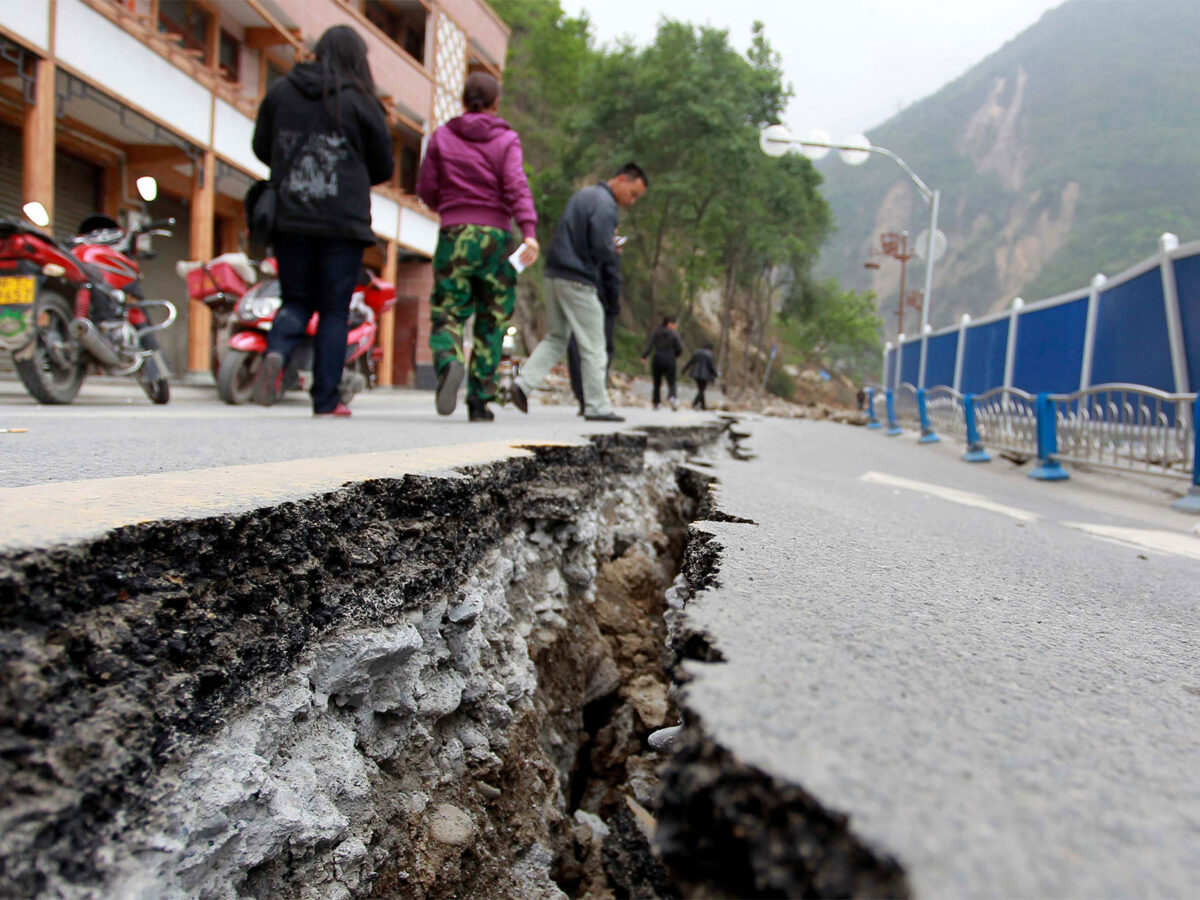
In the context of the recent earthquake in Hailakandi, the shallow depth is typically associated with more noticeable shaking at the surface. Such earthquakes can lead to heightened concerns among residents and may require immediate responses from local authorities to assess any damage or necessary safety measures.

Safety Measures and Public Awareness

In light of recent seismic activity, it is pertinent for residents to be aware of safety protocols during an earthquake. Such measures include creating an emergency plan, knowing safe spots within their homes, and ensuring that emergency supplies are readily available. Public education on these protocols is essential to enhance community preparedness.

Local authorities and disaster management agencies often conduct drills and educational sessions to raise awareness and preparedness levels amongst citizens. These initiatives aim to equip people with the knowledge required to respond effectively should they find themselves in a seismic event.

In addition to official channels of information, community platforms and social media are valuable resources for disseminating real-time updates and safety tips. It is crucial for residents to follow trusted sources to remain informed and prepared in the event of future earthquakes.

Long or Short, get news the way you like. No ads. No redirections. Download Newspin and Stay Alert, The CSR Journal Mobile app, for fast, crisp, clean updates!

App Store –  https://apps.apple.com/in/app/newspin/id6746449540 

Google Play Store – https://play.google.com/store/apps/details?id=com.inventifweb.newspin&pcampaignid=web_share

Latest News

Popular Videos
