


12,000-Year-Old Karahantepe Discovery Reveals Massive Statues And An Unexpected Prehistoric Diet
The CSR Journal Magazine

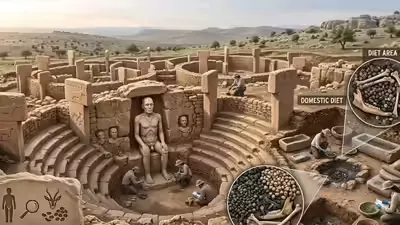
The recent discovery at Karahantepe, located in the Şanlıurfa province of Turkey, has shed light on a settlement that dates back approximately 12,000 years. This archaeological site is being compared to Göbekli Tepe, known for its monumental structures and ancient carvings. The discovery includes massive stone statues, which are believed to be a reflection of the social and cultural practices of prehistoric communities.

The site has garnered significant attention due to its age and the complexity of its structures. Archaeological teams working in Karahantepe have unearthed numerous artifacts, suggesting that the area may have played a crucial role in the development of early human society. Findings indicate a potential ritualistic purpose for the statues, which may have been central to community gatherings or religious ceremonies.

Insights Into Prehistoric Diet

One of the more surprising revelations from the excavation is the evidence of the diet consumed by the inhabitants of the site. Analysis of animal bones and plant remains suggests that the prehistoric people may have relied on a varied diet, contrary to earlier assumptions of their nutritional habits. Researchers have identified evidence of domesticated plants and animals, indicating that the community might have engaged in early agricultural practices.

This evidence points to a complex and adaptable lifestyle, challenging the notion that these early societies were solely hunter-gatherers. The findings imply that the people of Karahantepe were innovative in their approaches to food sourcing, suggesting that they utilised both wild and cultivated resources. This multifaceted dietary practice could have been a key factor in the sustainability of the community over a prolonged period.

Additionally, the analysis of burial practices at the site provides further context regarding the social organisation of these early peoples. The presence of grave goods alongside remains indicates that the community had developed beliefs centered around life and afterlife, reinforcing the significance of their cultural identity.

Further Archaeological Endeavours

The ongoing excavations at Karahantepe continue to reveal new insights into the lives of its ancient inhabitants. Archaeologists have expressed their intent to further explore the region, anticipating the discovery of additional structures and artefacts. As the project progresses, there is hope for more significant finds that could reshape current understandings of prehistoric communities in the region.

Experts in the field are also collaborating with local authorities to ensure that the discoveries are preserved and made accessible to the public. This collaboration aims to promote education and awareness about the historical significance of the site. Such initiatives could foster cultural tourism, bringing attention to the ancient heritage of Şanlıurfa.

In summary, the ongoing research at Karahantepe presents a unique opportunity to learn from and reflect on early human societies. The site not only offers a glimpse into their monumental architecture but also provides vital information about their evolving dietary practices during a transformative era in human history. The outcomes of these explorations could be influential in understanding the transition from nomadic lifestyles to settled agricultural communities.

Long or Short, get news the way you like. No ads. No redirections. Download Newspin and Stay Alert, The CSR Journal Mobile app, for fast, crisp, clean updates!

App Store –  https://apps.apple.com/in/app/newspin/id6746449540 

Google Play Store – https://play.google.com/store/apps/details?id=com.inventifweb.newspin&pcampaignid=web_share

Latest News

Popular Videos
