


app-store-logo
play-store-logo
March 5, 2026

Youth Participation in Nepal’s 2026 Elections at Record Levels: Nepali Congress Candidate Sachin Timalsena

The CSR Journal Magazine

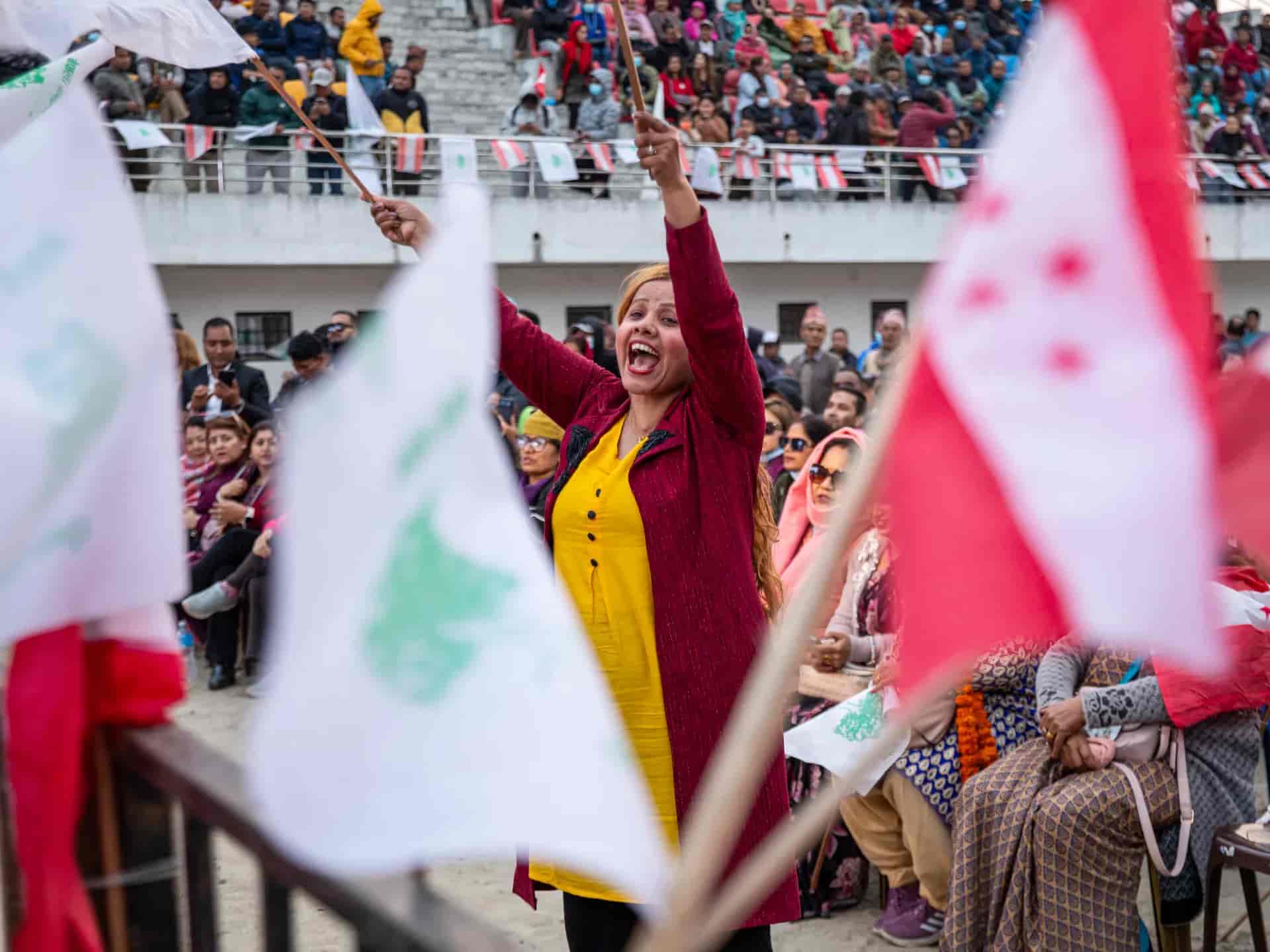
Voting for Nepal’s 2026 general election commenced today, as parliamentary candidate Sachin Timalsena from the Nepali Congress expressed optimism about his party’s prospects. In an interview, he commented on the smooth execution of the polling process across the nation while addressing initial concerns regarding the fairness of the election.

“In the beginning, there were some doubts among the public about whether the elections would be conducted fairly. However, I believe we have managed to conduct the process effectively,” Timalsena stated. Contesting from the prominent Kathmandu Constituency-4 in Bagmati Province, he acknowledged that security issues had raised concerns but felt assured about the current state of safety.

“There were worries regarding security at first, but I think we have managed those challenges well. The situation has actually been quite impressive,” he added. His positive sentiment follows a rigorous campaign where he actively engaged with constituents, visiting homes and meeting voters in person.

“I have been deeply involved with the people of my constituency, and the reception has been overwhelmingly supportive. I am confident, and so is our party,” Timalsena remarked. A crucial aspect of this election has been the heightened interest from younger voters. He observed, “The youth have shown exceptional enthusiasm for this election, participating in discussions and demonstrating their interest in politics,” emphasising the importance of youth engagement given that the median age in Nepal is just 24.

“This is the first time we are seeing such unprecedented youth participation. If young voters align with a particular party, that party is likely to succeed in these elections,” Timalsena asserted. He further related the party’s current positive standing to a recent transformation following a special convention aimed at reforming the Nepali Congress.

“People have accepted that the Nepali Congress has reinvented itself, inspiring positive reactions from the electorate,” he observed. The election process involves a significant logistical effort, as voting takes place in a single phase across all 77 districts from 7 am to 5 pm.

According to local reports, approximately 18,903,689 eligible voters are participating in the elections to select 275 members of the House of Representatives. This figure represents an increase of over 915,000 voters compared to the 2022 elections, with a substantial 52 percent of the electorate aged between 18 and 40.

The elections see a competitive field of 6,541 candidates. Under the first-past-the-post system, 3,406 candidates, including 1,143 independents, are competing for 165 seats. Additionally, for the 110 seats allocated under the proportional representation system, 63 parties have nominated a total of 3,135 candidates.

To ensure a smooth electoral process, the Election Commission has set up 23,112 polling centres across 10,963 polling stations nationwide. A comprehensive security framework is also in place, with 341,113 personnel deployed, including 149,000 temporary election police specifically recruited for the occasion. The commission has committed to releasing the first-past-the-post results within 24 hours of counting commencing.

Long or Short, get news the way you like. No ads. No redirections. Download Newspin and Stay Alert, The CSR Journal Mobile app, for fast, crisp, clean updates!

App Store –  https://apps.apple.com/in/app/newspin/id6746449540 

Google Play Store – https://play.google.com/store/apps/details?id=com.inventifweb.newspin&pcampaignid=web_share

Latest News

Popular Videos