


China Allows Media Access to Tibet Flood Zone After Nepal Border Catastrophe
The CSR Journal Magazine

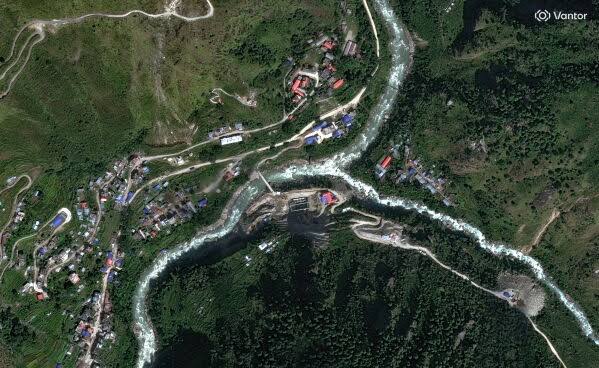
China has granted media access to Gyirong County in Tibet for the first time after catastrophic flash floods on August 26. This development follows the extensive damage along the Tibet-Nepal border, where a border immigration post was destroyed, resulting in significant casualties on both sides. The disaster had been primarily reported from the Nepalese perspective, revealing a death toll exceeding 1,300, with approximately 5,000 individuals still unaccounted for.

One of the most striking representations of the flood’s impact has been a viral video showing an enormous wall of mud and debris engulfing the immigration facility in a matter of moments. On the Tibetan side, local officials have reported at least 31 fatalities with 531 individuals missing, including 261 foreigners, of whom 49 are Indian nationals. The situation remains critical as rescue efforts continue.

Details of the Avalanche and Subsequent Flooding

The flash floods were reportedly triggered by an ice-rock avalanche near the boundary between Nepal and Tibet. This event unleashed a substantial volume of water and debris along the Bhotekoshi River, which severely affected numerous settlements in northern and central Nepal. Many of the deceased and missing foreigners were present at or near the immigration building at the time the floodwaters struck.

In response to the disaster, Chinese authorities are actively involved in rebuilding roads to reconnect the isolated border post. Additionally, they have dispatched relief materials to Nepal in an effort aimed at both aiding recovery and demonstrating their commitment to reconstruction. The media visit to Gyirong County has served to illustrate the extent of destruction caused by the floods and the ongoing recovery efforts.

Chinese officials have communicated that the cause of the disaster arises from the collapse of a high-altitude glacier in Nepal. The Chinese Foreign Ministry spokesperson, Lin Jian, noted on August 28 that experts from both nations had conducted an initial assessment confirming this conclusion. This analysis emphasizes the unexpected nature of the glacier collapse, raising concerns about potential future incidents.

Concerns About Future Glacial Disasters

Experts have indicated that the glacier systems on the Tibetan Plateau are becoming increasingly unstable. According to Gao Rong, deputy director of China’s National Climate Centre, glaciers in the region have witnessed a decline of approximately 24 per cent over the last 60 years, with around 7,000 smaller glaciers disappearing entirely. This trend suggests that the propensity for glacial disasters may intensify in the coming years.

A report from the Institute of Tibetan Plateau Research indicates that the mudslide resulting from the glacier collapse travelled an impressive 22 kilometres down the valley, reaching Gyirong Port less than ten minutes after the initial event. Analysis of satellite and field data affirmed that the sudden rush of ice and rock resulted in a formidable mudslide, capable of reconfiguring the riverbed and blending with surrounding debris.

This disaster has heightened awareness of broader risks associated with glacial events in the region, particularly given the infrastructure development initiatives being undertaken by Beijing, including significant hydropower projects. The catastrophic floods of August 26 have inflicted severe damage along the Tibet-Nepal border, with the destroyed immigration post emerging as a harrowing symbol of this human tragedy. As reconstruction efforts progress, the focus remains on mitigating the risks associated with glacier-related disasters across the Tibetan Plateau.

Long or Short, get news the way you like. No ads. No redirections. Download Newspin and Stay Alert, The CSR Journal Mobile app, for fast, crisp, clean updates!

App Store –  https://apps.apple.com/in/app/newspin/id6746449540 

Google Play Store – https://play.google.com/store/apps/details?id=com.inventifweb.newspin&pcampaignid=web_share

Latest News

Popular Videos
