


World’s Largest ‘Whale Graveyard’ Discovered Beneath Indian Ocean
The CSR Journal Magazine

A recent discovery has unveiled the world’s largest ‘whale graveyard’ located beneath the Indian Ocean. This significant find sheds light on marine life and ecosystems over the last five million years. The research team comprised international marine biologists and oceanographers, who have dedicated years to studying cetacean remains in this vast underwater region.

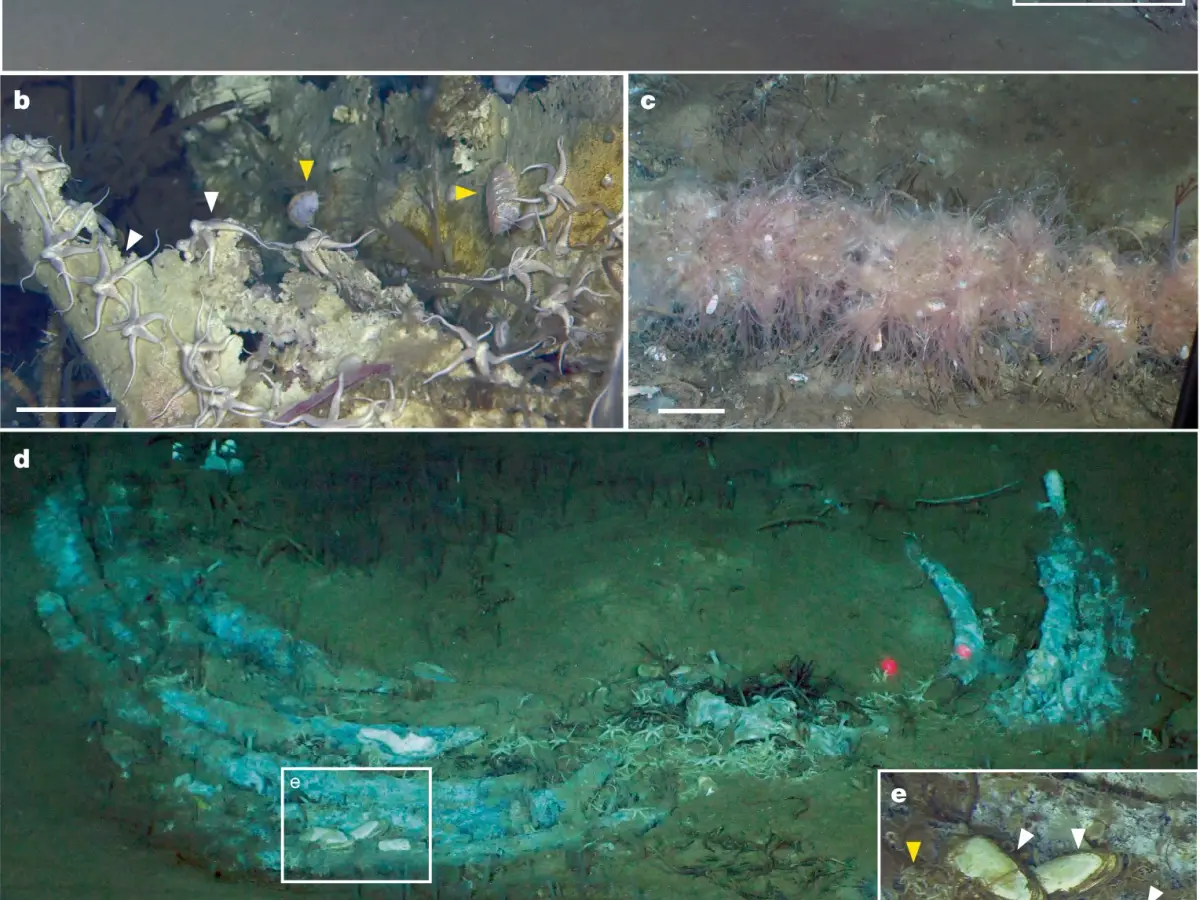
The whale graveyard was discovered approximately 300 kilometres off the coast of the Indian subcontinent. The team used advanced remote sensing technology to identify and analyse large concentrations of whale fossils, providing insights into the behaviour and evolution of these marine mammals.

This discovery can potentially alter our understanding of whale ecology, migration patterns, and the factors that lead to mortality in these species. The research is believed to open new avenues for understanding the history of marine biodiversity in the Indian Ocean.

Research Methodology and Findings

The researchers employed a combination of sonar mapping and sediment core sampling to locate the burial site of these marine animals. Detailed studies of the sediment layers revealed distinct periods of whale habitation and death, offering a chronological timeline of whale populations over millennia. This methodology not only highlighted the change in whale species but also provided context for environmental shifts in the ocean.

According to preliminary analyses, the graveyard contains remains of several whale species, some of which have not been seen for thousands of years. The evidence suggests that the area served as a natural burial ground due to specific geological and ecological conditions favourable for the preservation of these fossils.

Further examinations are underway to gain a deeper understanding of how varying environmental conditions affected cetaceans over the ages. The collaborative effort among marine scientists will ensure thorough research on the implications this site holds for ecological studies.

Implications for Marine Biodiversity and Conservation

This discovery has crucial implications for marine biodiversity and conservation efforts in the Indian Ocean. Understanding the historical context of whale populations will provide vital data that can inform current conservation strategies and policies aimed at protecting endangered marine species.

Researchers stress the importance of maintaining the ecological balance in marine environments, given the threats posed by human activities such as fishing, shipping, and pollution. The graveyard’s revelations could lead to greater awareness and stronger conservation initiatives focused on protecting vulnerable whale species.

The research findings will be published in peer-reviewed journals and shared at international marine biology conferences, fostering collaboration between countries and organisations dedicated to ocean conservation. Ongoing studies will continue to explore the implications of this graveyard for understanding the impacts of climate change on marine ecosystems.

Long or Short, get news the way you like. No ads. No redirections. Download Newspin and Stay Alert, The CSR Journal Mobile app, for fast, crisp, clean updates!

App Store –  https://apps.apple.com/in/app/newspin/id6746449540 

Google Play Store – https://play.google.com/store/apps/details?id=com.inventifweb.newspin&pcampaignid=web_share

Latest News

Popular Videos
