


WMO Warns of Severe Weather Variability Expected in 2027
The CSR Journal Magazine

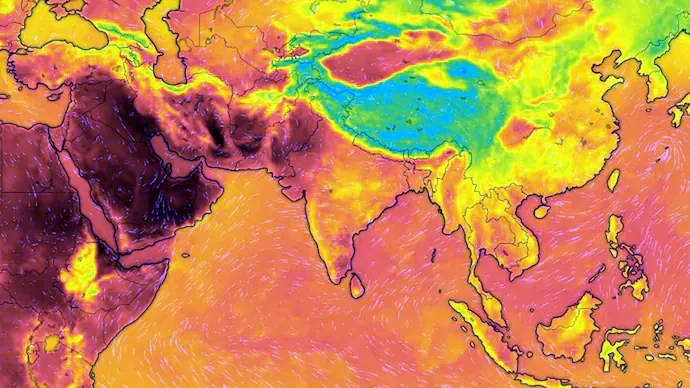
The expectation of extreme weather in 2027 is underscored by a recent warning from the World Meteorological Organisation (WMO). This forecast indicates that the ongoing El Nino phenomenon in the tropical Pacific is likely to strengthen significantly, with its effects anticipated to persist until February 2027. The WMO estimates the probability of this event continuing into February at nearly 100 per cent, marking it as one of the organisation’s most definitive predictions.

El Nino phenomena can dramatically influence global rainfall and temperature patterns, making this situation critical for many regions. A notable observation is the already high ocean temperatures compared to historical averages, which, combined with the El Nino event, could create additional challenges for countries worldwide.

Understanding El Nino and Its Implications

El Nino refers to a climate pattern characterised by unusually warm sea surface temperatures in the central and eastern tropical Pacific Ocean. The resultant atmospheric changes can redirect rainfall and alter heat distribution across vast geographical areas, leading to weather extremes that can be felt thousands of kilometres away. Current conditions suggest that these warm Pacific waters are likely intensifying, with projections indicating peak strength by the end of 2026.

The implications of a strong El Nino are significant, with associated risks including severe heatwaves, drought conditions, and intense flooding in various parts of the globe. It is important to note that the effects of El Nino are not uniform; they can vary significantly by region, meaning not all areas will experience increased temperatures or dry conditions.

Furthermore, the WMO’s longer-range assessment reveals that global temperatures may remain near or at record levels through the next five years. The organisation has estimated an 86 per cent chance that at least one year from 2026 to 2030 could surpass the current record high, which is held by 2024. The combination of an existing high-temperature baseline and a powerful El Nino raises concerns regarding potential weather extremes in 2027.

Potential Impact on India in 2027

For India, one of the primary concerns associated with the impending El Nino is its potential impact on rainfall patterns. Historically, El Nino events have been correlated with weaker southwest monsoons, although it is essential to recognise that other factors also play a crucial role in determining monsoon dynamics. The India Meteorological Department (IMD) has already reported that the monsoon in 2026 has fallen short of expectations, with a seasonal rainfall forecast at 90 per cent of the long-term average, resulting in a 16 per cent deficit by the end of August.

If El Nino remains active into early 2027, the subsequent influence on temperature and rainfall could exacerbate water scarcity issues, affect agricultural productivity, and elevate heat levels across many regions. However, it is crucial to clarify that not every extreme weather event in 2027 will stem from El Nino. Instead, the warning signifies that conditions are likely to be unstable, further amplified by the already heightened temperatures on the planet.

As the world prepares for the upcoming year, the interconnected effects of climate patterns such as El Nino will require close monitoring and proactive strategies to mitigate potential impacts on various sectors, including agriculture, water resources, and public health.

Long or Short, get news the way you like. No ads. No redirections. Download Newspin and Stay Alert, The CSR Journal Mobile app, for fast, crisp, clean updates!

App Store –  https://apps.apple.com/in/app/newspin/id6746449540 

Google Play Store – https://play.google.com/store/apps/details?id=com.inventifweb.newspin&pcampaignid=web_share

Latest News

Popular Videos
