


El Nino Makes History: Pacific Temperatures Touch 30°C for the First Time
The CSR Journal Magazine

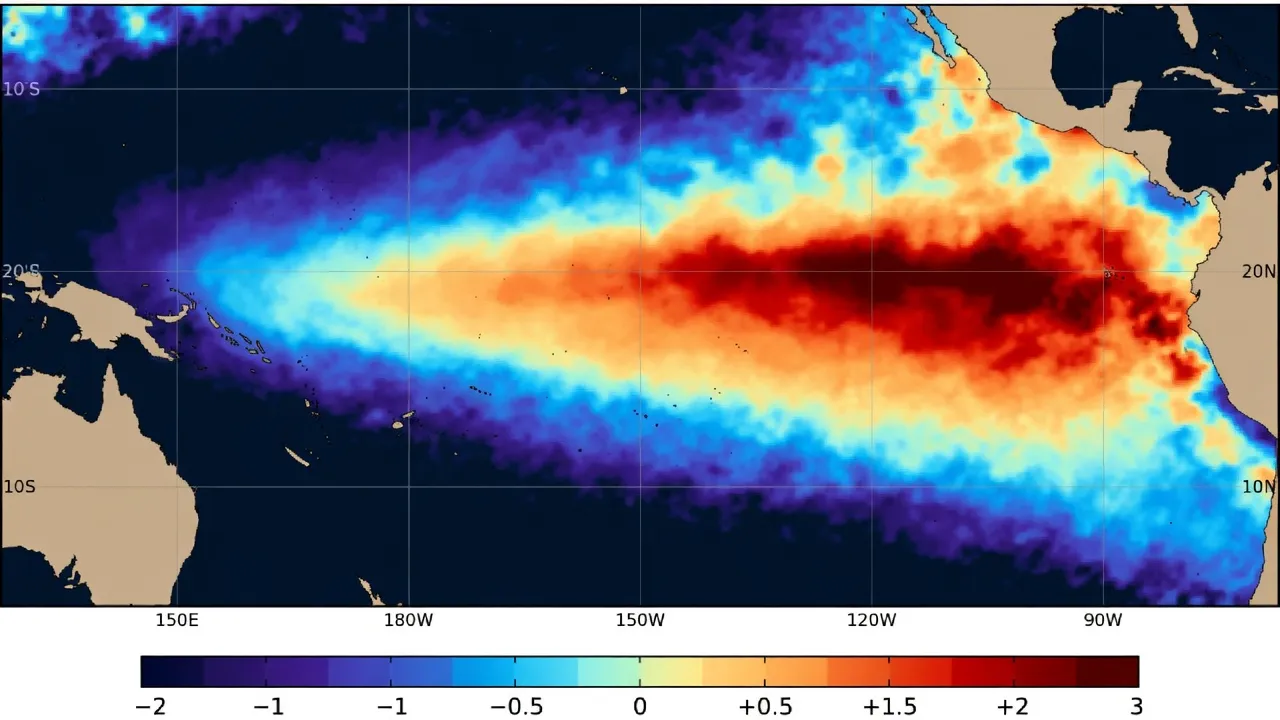
The Pacific Ocean has reached a critical temperature threshold as an exceptionally strong El Nino event continues to develop, raising alarms regarding its potential effects on global weather patterns, including those in India. On October 22, 2026, sea surface temperatures in the central equatorial Pacific were recorded at approximately 30°C, according to data from the US National Oceanic and Atmospheric Administration (NOAA). This reading marks a significant milestone, as it surpasses any previous records available.

This unprecedented temperature increase comes amid a strengthening climate phenomenon, which is expected to have lasting impacts extending into the following year. The World Meteorological Organisation (WMO) has indicated that temperatures in the central and eastern tropical Pacific are anticipated to reach record highs during the months of October to December, with El Nino likely peaking around December.

Understanding the Implications of a Warming Pacific Ocean

El Nino represents a natural climate pattern characterised by unusually warm surface waters in the central and eastern tropical Pacific. This warming can significantly alter wind patterns and the distribution of rain clouds, thereby affecting weather conditions far beyond the oceanic region. The current El Nino event is reportedly one of the strongest on record.

According to the WMO, the average sea surface temperature anomaly in the Nino 3.4 region has risen from 1.6°C above the long-term average in June to 2.5°C in August. Forecasts suggest that this anomaly could escalate to approximately 3.7°C above normal during the October to December period, surpassing the previous record of 2.6°C noted between November 2015 and January 2016. These anomalies reflect how much warmer the ocean is compared to its historical averages, rather than indicating the actual temperature itself.

The implications of such warming are significant, as they can lead to altered weather patterns across various regions, including increased heat and changes in rainfall distribution.

Potential Impact on India and Regional Weather Patterns

The developing El Nino phenomenon raises concerns for India, particularly regarding rainfall patterns and temperature increases. The India Meteorological Department reported that the southwest monsoon concluded in 2026 with rainfall approximately 13 per cent below normal levels. UN official Tom Fletcher has called for proactive measures as this unprecedented El Nino event takes shape.

The WMO’s outlook for October indicates that above-normal temperatures are expected across much of South Asia in the coming months. Rainfall predictions vary across the region, with a higher likelihood of below-normal rainfall in central and southern peninsular South Asia during the October to December timeframe. While El Nino does not solely dictate India’s weather, it interacts with other climate patterns and local conditions that also influence rainfall and temperature.

However, the unusually warm waters in the Pacific could heighten the risk of disruptive weather events, including elevated temperatures and shifts in rainfall patterns. As the El Nino event is projected to remain strong into early 2027, scientists will continue to monitor the Pacific closely for insights into how its effects may develop in the months ahead.

Long or Short, get news the way you like. No ads. No redirections. Download Newspin and Stay Alert, The CSR Journal Mobile app, for fast, crisp, clean updates!

App Store – https://apps.apple.com/in/app/newspin/id6746449540

Google Play Store – https://play.google.com/store/apps/details?id=com.inventifweb.newspin&pcampaignid=web_share

Latest News

Popular Videos
