


Why You Feel Tired Even After 8 Hours of Sleep: Key Reasons and Solutions
The CSR Journal Magazine

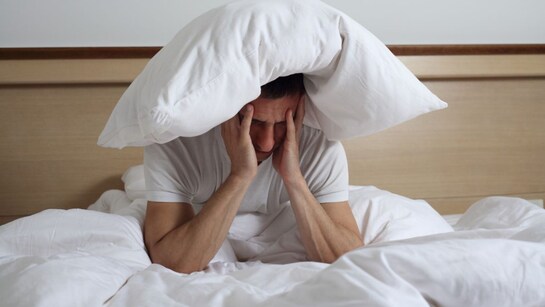
Many individuals believe that achieving eight hours of sleep leads to feeling rejuvenated. However, a rising number of people experience fatigue and cognitive sluggishness, even when their sleep duration seems sufficient. The core issue may not solely be the amount of sleep, but rather the quality of sleep that modern lifestyles compromise.

Impact of Screen Time on Sleep

The prevalence of late-night screen use is significantly affecting sleep habits. Devices such as smartphones, tablets, and computers emit blue light, which hinders the production of melatonin, the hormone responsible for sleep regulation. Even minimal exposure to screens prior to bedtime can delay the onset of sleep and detract from overall sleep quality, resulting in daytime tiredness.

Influence of Stress and Mental Exhaustion

Contemporary lifestyles expose individuals to incessant mental challenges. Factors like work anxiety, overwhelming social media influences, and constant information flow keep the mind engaged, even during supposed downtime. Elevated levels of cortisol, driven by chronic stress, can disrupt deep sleep, leading to unrefreshing rest and feelings of fatigue upon waking.

Effects of Irregular Sleep Patterns

Inconsistent sleep routines, such as sleeping late on weekends and waking up early during weekdays, contribute to a phenomenon known as “social jet lag.” This disruption confuses the body’s internal clock, impairing the circadian rhythm and making it challenging to maintain a steady sleep-wake cycle.

Role of Diet and Caffeine Consumption

The impact of dietary habits on sleep is profound. Consuming heavy meals, high caffeine, or sugary snacks before bed can disrupt sleep patterns. Although one may fall asleep quickly, metabolic processes during the night may hinder full rest, resulting in lingering fatigue.

Consequences of Sedentary Lifestyles

A lack of physical activity can also play a crucial role in sleep quality. Engaging in regular exercise promotes deeper sleep and helps regulate energy levels. Conversely, a sedentary lifestyle can diminish sleep efficiency, leaving individuals feeling sluggish even after adequate rest.

Underlying Health Issues and Their Impacts

Experiencing fatigue despite receiving enough sleep may sometimes indicate underlying health conditions such as Sleep Apnea, Anemia, or Hypothyroidism. These disorders can disrupt oxygen flow, metabolic functions, or hormonal equilibrium, all vital for achieving restorative sleep.

Strategies for Improvement

Enhancing sleep quality extends beyond merely going to bed earlier; it requires establishing a consistent and conscious routine. Reducing screen usage before bedtime, adhering to regular sleep schedules, incorporating physical activity, and effectively managing stress can lead to significant improvements in sleep quality. Implementing small lifestyle modifications can often yield substantial benefits.

Reassessing Sleep Habits in a Digital Age

The phenomenon of feeling fatigued despite obtaining sufficient sleep is increasingly recognized, closely linked to contemporary habits. As daily routines grow more intertwined with digital devices and mental demands, it is essential to prioritize the quality of sleep alongside its duration for overall health and well-being.

Long or Short, get news the way you like. No ads. No redirections. Download Newspin and Stay Alert, The CSR Journal Mobile app, for fast, crisp, clean updates!

App Store –  https://apps.apple.com/in/app/newspin/id6746449540 

Google Play Store – https://play.google.com/store/apps/details?id=com.inventifweb.newspin&pcampaignid=web_share

Latest News

Popular Videos
