


Why Antarctica Has No Cities: The Brutal Truth Behind Earth’s Most Unlivable Land
The CSR Journal Magazine

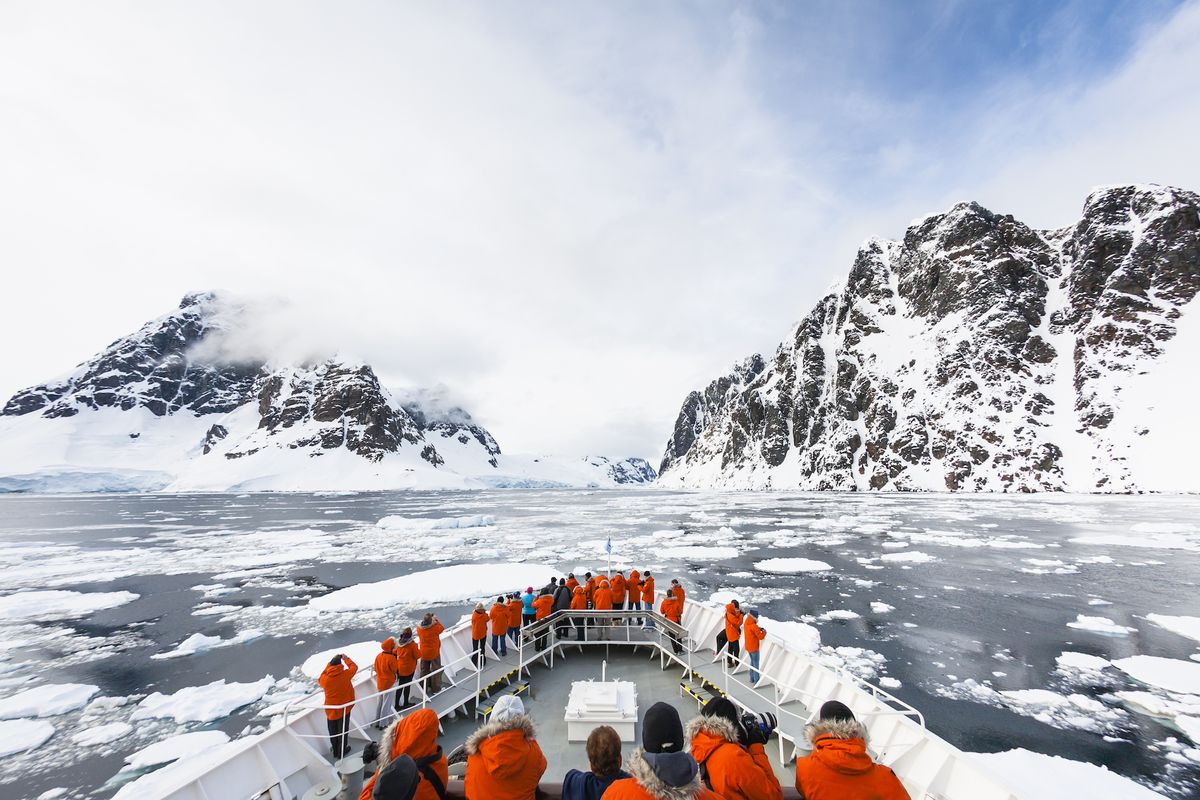
Antarctica, renowned for its stark beauty and extreme climate, does not host any cities or permanent residents. The region’s inhospitable weather poses significant challenges for long-term human survival. Temperatures can plummet to below minus fifty degrees Celsius, making it difficult for humans to thrive permanently without substantial support. These conditions create a natural barrier for permanent settlements.

The Antarctic region experiences intense winds and prolonged periods of darkness during the winter months, further complicating human habitation. The harsh environmental factors not only affect day-to-day life but also make resource extraction and infrastructure development exceedingly difficult. Consequently, lifelong habitation is unfeasible for ordinary human activities.

Additionally, the remoteness of Antarctica adds to the challenges. The continent is isolated from other human populations, making access to supplies and emergency aid highly complicated. Geographic barriers and logistical issues render it impracticable to establish a permanent community.

Temporary Research Bases Serve as Human Presence

While Antarctica lacks permanent settlers, various countries have established research stations that operate temporarily. These bases support scientific research and exploration, allowing scientists and support staff to reside for limited periods. The personnel at these stations rotate in and out, with most stints lasting a few months to a year.

Researchers who visit these outposts focus on a wide array of studies, including climate change, marine biology, and glaciology. The temporary nature of these stations ensures their occupants consistently experience the continent’s extreme conditions, but none of them stay indefinitely. Consequently, the research bases reflect a transient human presence rather than a permanent one.

Furthermore, international treaties, such as the Antarctic Treaty System, govern activities in the region and stress the significance of protecting the unique environment. These treaties discourage the establishment of permanent settlements and instead encourage collaborative scientific research, thereby reinforcing the notion that human habitation should remain temporary.

Human Life in Antarctica Remains Challenging

The viability of sustaining human life in Antarctica is hampered by the scarcity of resources inherent to the environment. Freshwater and food supplies must be brought in from external sources, making logistical considerations paramount. In addition, the isolation of research stations adds yet another layer of difficulty in ensuring the well-being of the individuals present.

The psychological challenges of living in such an isolated environment cannot be overlooked. Long periods without sunlight during winter can adversely affect mental health, creating a pressing need for support mechanisms. Temporary outposts often have limited provisions for recreational activities and social interaction, which can exacerbate feelings of isolation.

Moreover, the ecological sensitivity of Antarctica further complicates human activities. The introduction of foreign species and waste products can have irreversible effects on local ecosystems, leading to stringent environmental regulations that govern human interactions with the continent. Such measures contribute to the overall conclusion that a permanent human presence in Antarctica remains unattainable.

Long or Short, get news the way you like. No ads. No redirections. Download Newspin and Stay Alert, The CSR Journal Mobile app, for fast, crisp, clean updates!

App Store –  https://apps.apple.com/in/app/newspin/id6746449540 

Google Play Store – https://play.google.com/store/apps/details?id=com.inventifweb.newspin&pcampaignid=web_share

Latest News

Popular Videos
