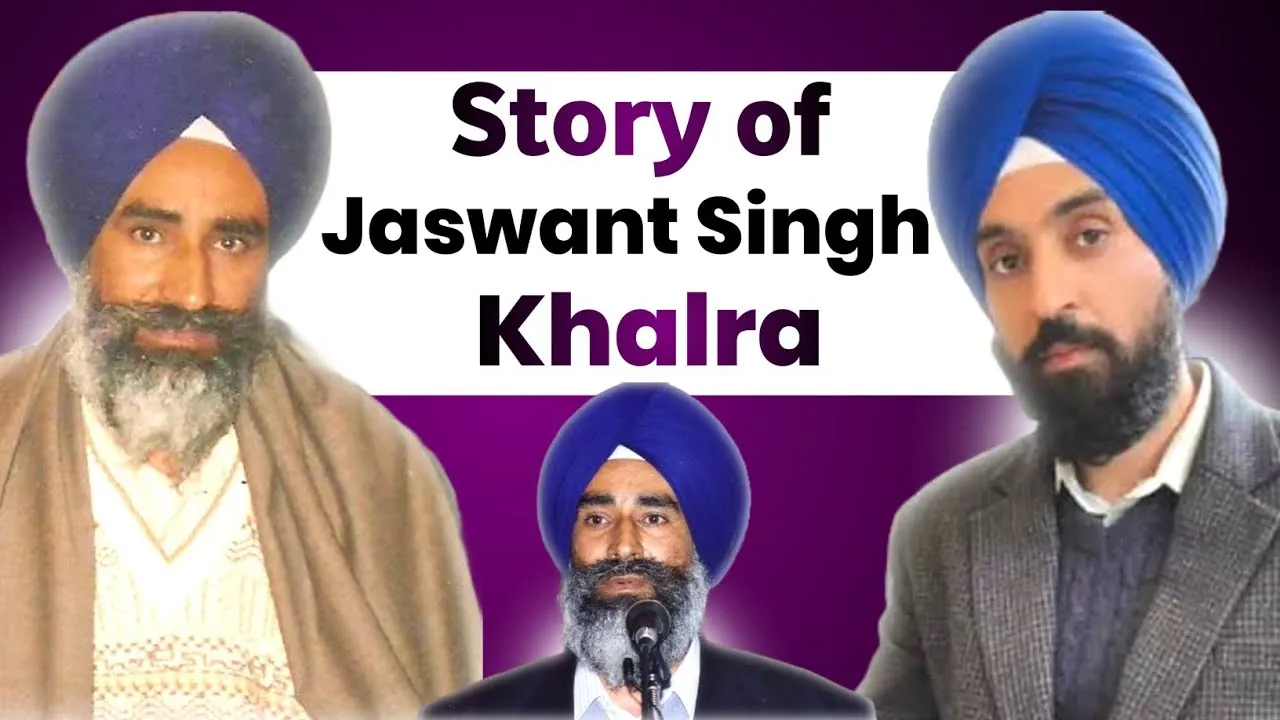

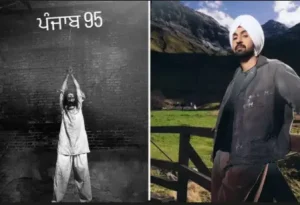
The release of Satluj, starring Diljit Dosanjh, has renewed interest in one of the most debated chapters in Punjab’s modern history. Originally titled Punjab ’95, the biographical drama is inspired by the life and work of human rights activist Jaswant Singh Khalra, whose investigation into alleged human rights abuses during Punjab’s insurgency period brought national and international attention to the issue.
The film explores the complex relationship between militancy, counterinsurgency, justice and accountability, making it much more than a conventional biopic. Here’s a closer look at the historical events that inspired the movie.
What Does ‘Punjab ’95’ Refer To?
The term Punjab ’95 refers to a significant period in Punjab’s history following more than a decade of insurgency and counterinsurgency. Although militant violence had largely subsided by 1995, the state was still dealing with the aftermath of years of conflict that had dominated the 1980s and early 1990s.
During this period, Punjab witnessed widespread violence linked to the Khalistan movement, an armed separatist campaign seeking an independent Sikh homeland. The insurgency resulted in bombings, targeted assassinations, attacks on civilians, and violence against security personnel. Thousands of people lost their lives as the conflict escalated.
To contain the insurgency, Indian security forces carried out extensive counterinsurgency operations. These measures eventually weakened militant organisations and restored relative peace by the mid-1990s. However, the methods employed during these operations later became the subject of serious debate and scrutiny.
Allegations of Human Rights Violations
Even after militancy declined, allegations regarding the conduct of security forces continued to emerge.
Human rights organisations, activists, and families of missing persons claimed that numerous individuals disappeared after being detained by law enforcement agencies. Many families alleged that their relatives never returned home and that no official information about their whereabouts was provided.
These allegations included claims of enforced disappearances, custodial killings, extrajudicial executions, and illegal cremations. Although these claims remained disputed in many instances, they became a major focus for human rights groups working in Punjab during the 1990s.
The issue attracted increasing public attention as activists sought official records to understand what had happened to thousands of missing individuals.
Who Was Jaswant Singh Khalra?
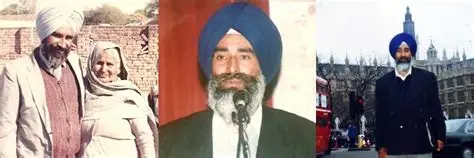
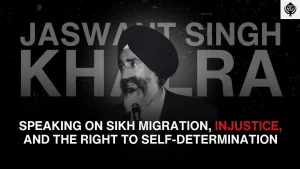
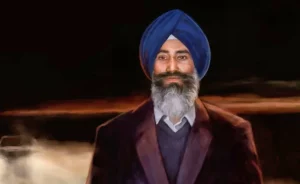
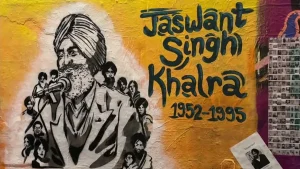
Among the most prominent voices investigating these allegations was Jaswant Singh Khalra, a bank employee-turned-human rights activist.
Khalra began examining municipal cremation records in Punjab and claimed to have discovered evidence indicating that thousands of unidentified bodies had been cremated without proper identification or notification to families.
According to Khalra, many of these unidentified bodies could have belonged to people who had disappeared during the insurgency period.
His findings challenged official narratives and brought renewed focus to allegations surrounding Punjab’s counterinsurgency operations. Khalra presented his research before human rights organisations and international forums, drawing widespread attention to the issue.
His work transformed him into one of India’s most recognised human rights campaigners.
The Abduction and Murder of Khalra
Khalra’s activism also exposed him to significant personal risk.
On September 6, 1995, he was abducted outside his residence in Amritsar. His disappearance immediately sparked concern among civil society groups, activists and human rights organisations.
Subsequent investigations concluded that Khalra had been kidnapped and murdered.
Over the following years, several Punjab Police personnel were prosecuted and convicted in connection with his abduction and killing. The case became one of the most prominent prosecutions arising from allegations of human rights abuses linked to Punjab’s insurgency era.
Khalra’s death further amplified demands for accountability and strengthened efforts by victims’ families to seek justice.
Why Punjab ’95 Remains Controversial
Nearly three decades later, Punjab ’95 continues to evoke strong emotions.
For many observers, the period represents the successful defeat of an armed insurgency that had threatened public safety and national security. Security agencies are widely credited with restoring peace after years of violence.
At the same time, human rights groups argue that allegations of custodial killings, enforced disappearances and illegal cremations deserve continued investigation and accountability.
As a result, discussions surrounding Punjab ’95 often involve difficult questions about balancing national security with the protection of civil liberties and human rights.
The period remains an important subject of legal proceedings, academic research, documentaries, books and public debate.
What Is Satluj About?
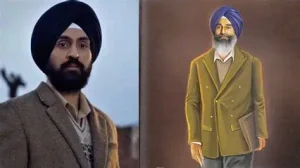
Directed by Honey Trehan, Satluj is a biographical drama based on Jaswant Singh Khalra’s life.
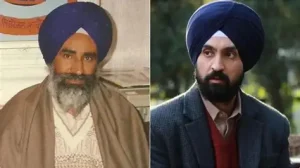
Diljit Dosanjh plays Khalra, portraying his transformation from an ordinary citizen into one of the country’s best-known human rights activists.
The film follows Khalra’s investigation into allegations of disappearances and illegal cremations during Punjab’s insurgency years. As he uncovers official records and gathers evidence, he increasingly finds himself confronting powerful institutions.
The story focuses not only on his investigation but also on the immense personal sacrifices he made while pursuing justice.
Rather than presenting a fictional account, the film draws inspiration from documented events surrounding Khalra’s activism and his eventual murder.
Why Was the Film Originally Called Punjab ’95?
The project was initially announced under the title Punjab ’95, directly referencing the historical period during which Khalra was abducted.
However, because of its sensitive political and historical subject matter, the film became the focus of prolonged discussions regarding certification and suggested edits.
The release faced multiple delays as filmmakers and certification authorities engaged in discussions over the content.
Eventually, the film was retitled Satluj, named after the river that flows through Punjab, while retaining its central narrative about Khalra’s life and work.
The title change allowed the project to move forward while preserving its broader themes.
Themes Explored in Satluj
Beyond recounting historical events, Satluj explores several universal themes.
These include the pursuit of truth, the importance of accountability, the role of human rights defenders, and the personal cost of challenging powerful institutions.
The film also examines the long-lasting impact of conflict on individuals, families and society, showing how unresolved questions can continue to shape public discourse decades later.
Rather than offering simple answers, it invites audiences to reflect on the complexities surrounding justice, governance and civil liberties.