


Volcanic Eruptions Can Temporarily Cool Earth by Releasing Gases and Aerosols
The CSR Journal Magazine

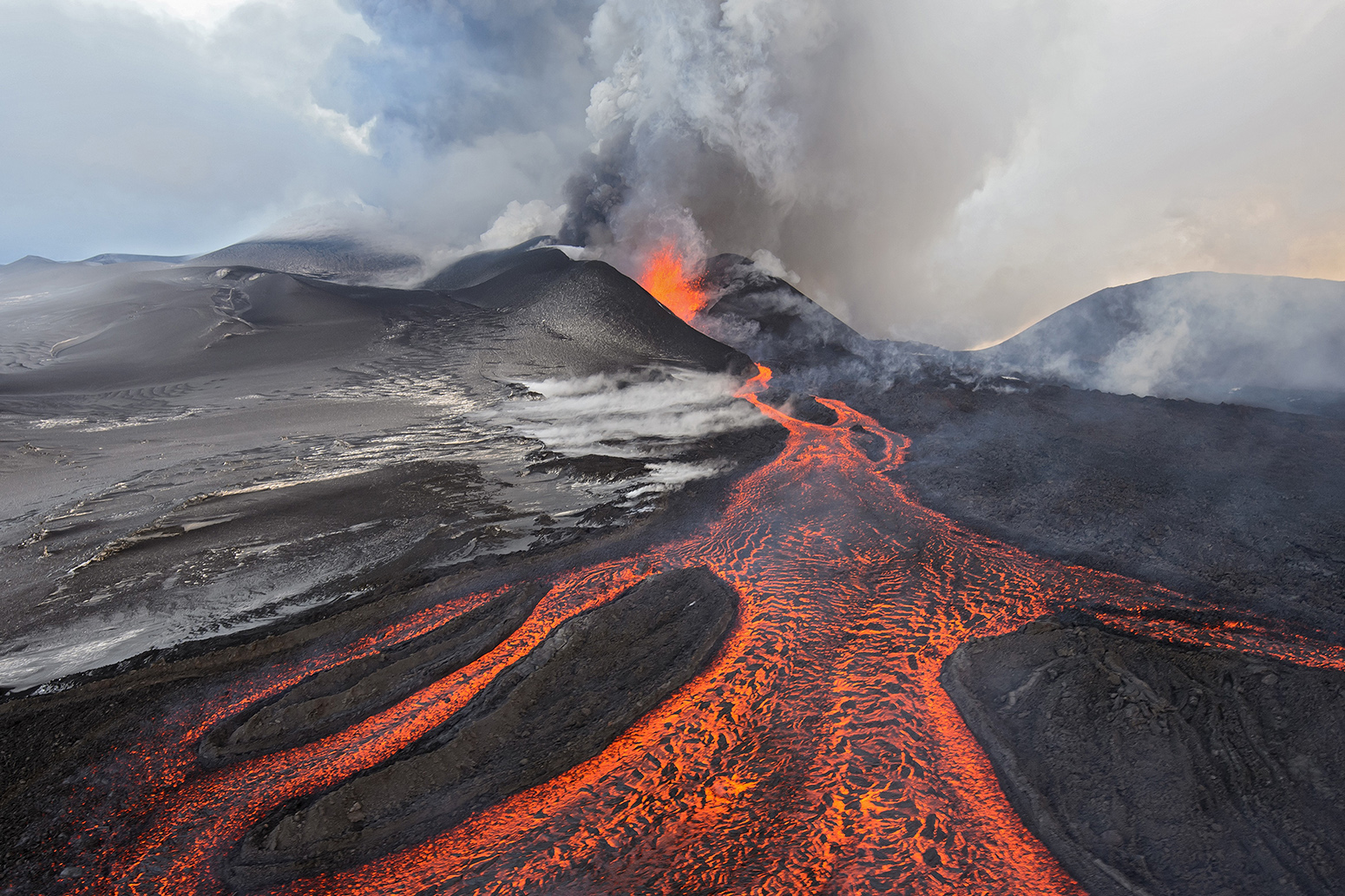
Volcanoes play a significant role in regulating the Earth’s climate by emitting various gases and ash into the atmosphere. When a volcano erupts, it releases a mixture of sulfur dioxide, carbon dioxide, and other particulate matter. These elements can influence temperature by reflecting sunlight away from the Earth’s surface. This natural phenomenon acts as a cooling mechanism for the planet, thereby providing a balancing effect against warming trends.

The cooling effect is particularly pronounced following massive eruptions, which can inject substantial quantities of sulfur dioxide into the stratosphere. These particles form tiny droplets of sulfuric acid that scatter sunlight. This process can lead to a temporary decrease in surface temperatures, highlighting the dual role of volcanic activity in both warming and cooling the planet.

Studies have shown a direct correlation between major volcanic events and noticeable dips in global temperatures. Historical data indicates that significant eruptions, such as the Mount Pinatubo eruption in 1991, led to a cooling period that lasted for several years. This illustrates the powerful influence that volcanic activity has on climate conditions over both short-term and extended timescales.

The Role of Aerosols in Climate Dynamics

Aerosols, which are tiny particles suspended in the atmosphere, significantly affect climate dynamics. Volcanic eruptions disperse these aerosols, impacting cloud formation and atmospheric conditions. Increased aerosol levels can lead to cloud properties that enhance the reflection of solar radiation, thereby contributing to a cooling effect.

In addition to their direct effects on temperature, volcanic aerosols can also modify precipitation patterns. This alteration in rainfall can have widespread implications for ecosystems and agricultural practices. Researchers are continuously studying how these atmospheric changes produced by volcanic eruptions interact with existing climate systems.

Recent investigations have focused on specific eruptions and their immediate aftermath, providing insight into the mechanisms by which aerosols influence climate. By understanding these interactions, scientists strive to improve climate models that can better predict future temperature and weather patterns. This research underscores the importance of volcanic activity in contributing to climate variability.

Future Implications of Volcanic Activity

The ongoing research into the cooling effects of volcanoes may have significant implications for future climate change discussions. As global temperatures continue to rise, understanding natural processes that can counteract warming becomes crucial. Volcanic eruptions may offer insights into potential geoengineering solutions that could be used to manage climate conditions.

However, harnessing volcanic activity for climate regulation remains highly speculative. The unpredictability of eruptions poses challenges, and the associated risks could outweigh the potential benefits. Therefore, while the cooling effects of volcanoes highlight a natural regulator of climate, they are not a viable or controllable solution to combat climate change.

Ultimately, scientists emphasise the need for a comprehensive approach to climate policy that considers both human and natural influences. Future studies will be essential in furthering the understanding of how volcanic eruptions contribute to climate change, aiding in the development of effective mitigation strategies.

Long or Short, get news the way you like. No ads. No redirections. Download Newspin and Stay Alert, The CSR Journal Mobile app, for fast, crisp, clean updates!

App Store –  https://apps.apple.com/in/app/newspin/id6746449540 

Google Play Store – https://play.google.com/store/apps/details?id=com.inventifweb.newspin&pcampaignid=web_share

Latest News

Popular Videos
