


US Exempts India’s Specialty Drugs From Tariffs Ahead of Pharmaceutical Duty Increase
The CSR Journal Magazine

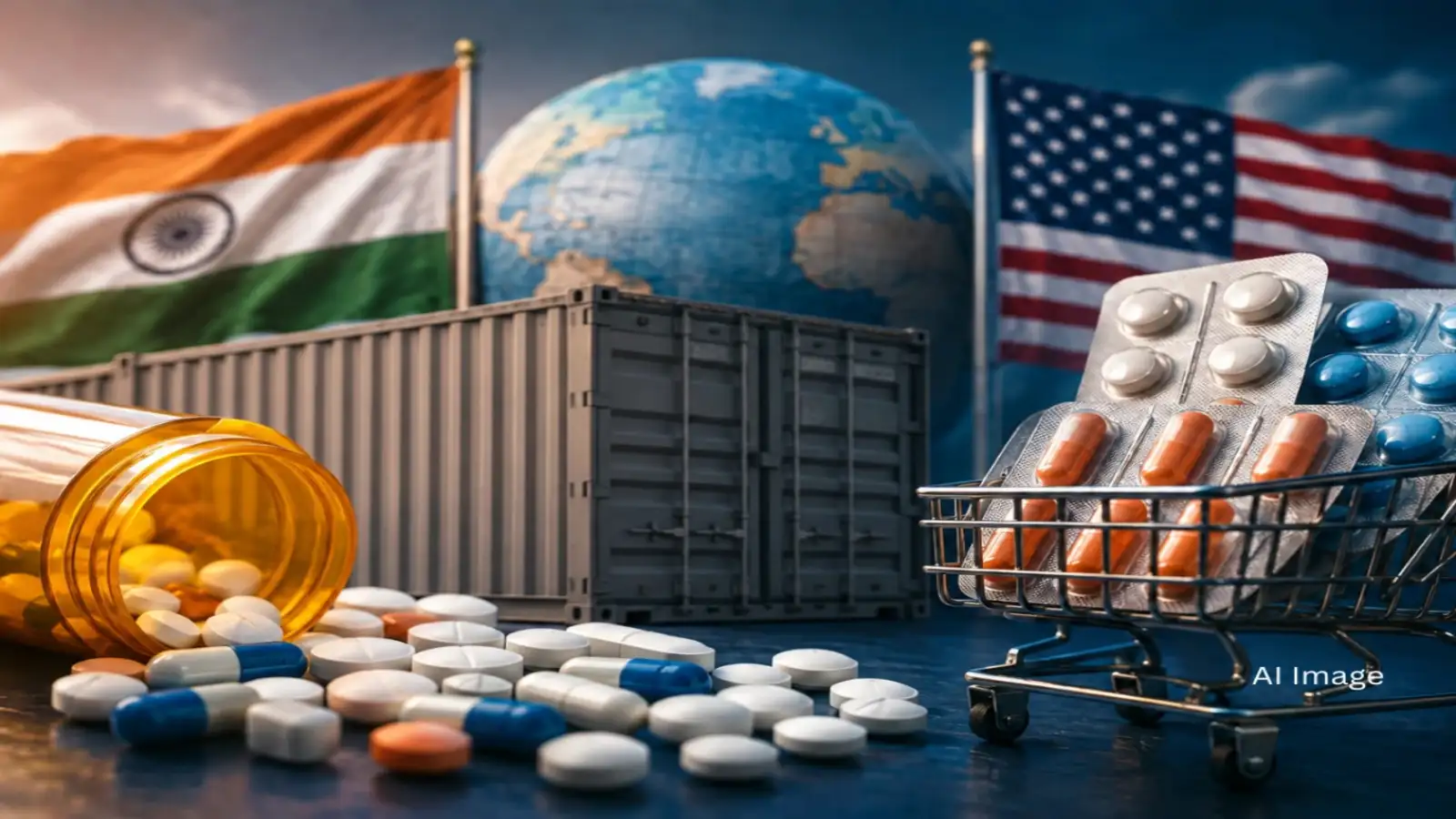
The United States has announced that it will not impose any ad valorem tariff on specific speciality drugs and related ingredients imported from India and 19 other nations. This information was conveyed in a notice released by the US Commerce Department. The exemption comes as the US prepares to introduce a 100 per cent tariff on certain patented pharmaceuticals and their associated ingredients, effective from September 29, 2026.

Eligible Products and Exemptions

The zero per cent tariff will be applicable to products that are utilised in the treatment of rare medical conditions, as well as treatments for infertility, cell therapies, gene therapies, and antibody-drug conjugates. Additionally, animal pharmaceuticals and the components used in these drugs will qualify for this exemption. An ad valorem tariff is defined as a tax levied as a fixed percentage of the value of the goods, as outlined by the World Customs Organisation.

The Commerce Department clarified that the products from the listed jurisdictions can avail themselves of the zero per cent tariff due to their existing or forthcoming trade and security framework agreements with the US. This provision aims to support specific medical treatments while balancing import tariffs on other pharmaceutical products.

Alongside India, the countries exempt from these tariffs include Argentina, Bangladesh, Cambodia, Ecuador, El Salvador, the European Union, Guatemala, Indonesia, Japan, Jordan, Malaysia, North Macedonia, South Korea, Switzerland, Liechtenstein, Taiwan, Thailand, Britain, and Vietnam. The inclusion of these nations reflects a broader strategy by the US to foster particular international collaborations in the medical field.

Background of the Tariffs

The announcement is part of a broader initiative that originated from a proclamation issued by former President Donald Trump on April 2. This proclamation aimed to impose tariffs on imports of patented pharmaceuticals and biologics, intending to bolster domestic production within the US. The exemption for certain speciality drugs is a specific application of this proclamation, which falls under Section 232 of the Trade Expansion Act.

The original proclamation, which imposed the significant 100 per cent tariff on specified patented pharmaceuticals, took effect on July 31 for certain companies and will extend to others from September 29. The Commerce Department also detailed that generic pharmaceutical products and their associated ingredients are not subject to these pharmaceutical tariffs. This provision allows for a distinction between generic and patented products, aiming to promote competition in the pharmaceutical market.

Technical adjustments were made to the initial proclamation, including revisions to the definition of generic pharmaceutical articles to specifically encompass unpatented animal health products. Furthermore, it clarified that the term “pharmaceutical articles” exclusively applies to finished pharmaceutical products, their active pharmaceutical ingredients, and the essential starting materials for such ingredients. These changes aim to ensure that there is a clear understanding of what products are covered under the new regulations.

Long or Short, get news the way you like. No ads. No redirections. Download Newspin and Stay Alert, The CSR Journal Mobile app, for fast, crisp, clean updates!

App Store –  https://apps.apple.com/in/app/newspin/id6746449540 

Google Play Store – https://play.google.com/store/apps/details?id=com.inventifweb.newspin&pcampaignid=web_share

Latest News

Popular Videos
