


Understanding the Effects of Smoking on Lung Health
The CSR Journal Magazine

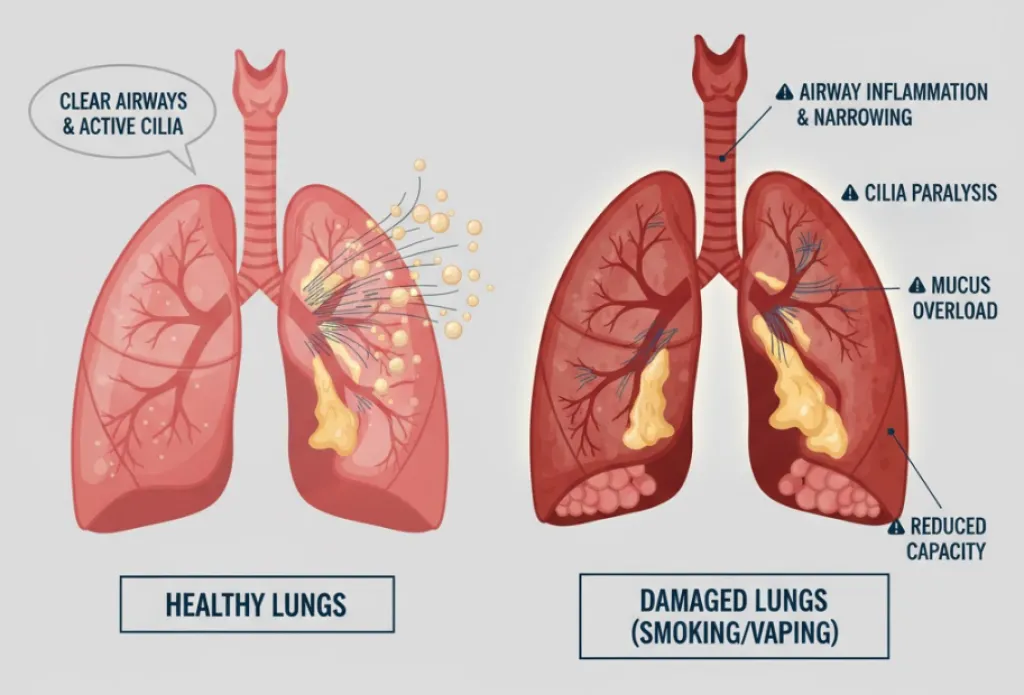
Individuals who have been smoking for an extended period often ponder whether quitting now can still yield significant health benefits. Concerns about the risk of lung cancer can amplify these uncertainties. However, medical professionals assert that cessation can indeed lead to improvements in health, even after years of tobacco use. The damage caused by smoking does not simply vanish, but the process of quitting initiates a crucial shift in health outcomes.

According to experts, every cigarette exposes the lungs to a multitude of harmful chemicals, many of which inflict direct damage to DNA. The body continuously strives to repair this damage, but the ongoing exposure from smoking can overwhelm its natural repair mechanisms. When an individual decides to quit smoking, this continuous injury ceases, allowing the lungs a chance to heal, albeit not completely rejuvenating. This aspect of recovery is vital for those contemplating quitting.

Moreover, the resilience of the human body offers hope to those who have smoked for many years. Some individuals may hesitate to quit, believing that their prolonged smoking history diminishes the potential benefits of cessation. However, medical professionals emphasise that quitting can still lead to significant health improvements, regardless of how long one has smoked.

Health Benefits of Quitting Smoking

The advantages of quitting smoking accumulate over time, with numerous benefits manifesting sooner than many might anticipate. Health improvements begin almost immediately after cessation, as lung function and circulation show signs of enhancement within weeks. Over an extended period, inflammation decreases, and respiratory symptoms begin to subside, contributing to an overall better quality of life.

Dr Rajpurohit, a noted oncologist, highlighted that after a decade of not smoking, the risk of dying from lung cancer is approximately half that of individuals who continue to smoke. This statistic underscores the importance of quitting, as it not only enhances immediate health but also significantly lowers long-term cancer risks. The process of quitting smoking should not be viewed as an all-or-nothing approach; rather, it is a gradual reduction of risk that can lead to substantial health benefits.

Despite these improvements, Dr Rajpurohit cautioned against developing a false sense of security. Former smokers may still retain a higher risk of lung cancer compared to those who have never smoked. While the risk diminishes over time, it does not entirely disappear, necessitating ongoing vigilance and health monitoring.

Recommendations for Former Smokers

For individuals with a significant smoking history, regular medical follow-ups are essential. Dr Rajpurohit recommends that former smokers discuss their health status with their healthcare provider, particularly regarding the potential for low-dose CT screening. This screening method has been proven effective in detecting lung cancer at earlier, more treatable stages, thereby improving outcomes for those at risk.

It is crucial for former smokers to remain proactive about their health, as early detection can be a key factor in successful treatment. Engaging in conversations with healthcare professionals about lifestyle changes, monitoring symptoms, and understanding personal health risks can empower individuals to take charge of their well-being.

This information is intended for educational purposes and should not replace professional medical advice. Individuals should always consult their healthcare provider with any questions or concerns regarding their health conditions.

Long or Short, get news the way you like. No ads. No redirections. Download Newspin and Stay Alert, The CSR Journal Mobile app, for fast, crisp, clean updates!

App Store – https://apps.apple.com/in/app/newspin/id6746449540

Google Play Store – https://play.google.com/store/apps/details?id=com.inventifweb.newspin&pcampaignid=web_share

Latest News

Popular Videos
