


Tulsi Gabbard Resigns As US Spy Chief, Cites Husband’s Cancer Battle
The CSR Journal Magazine

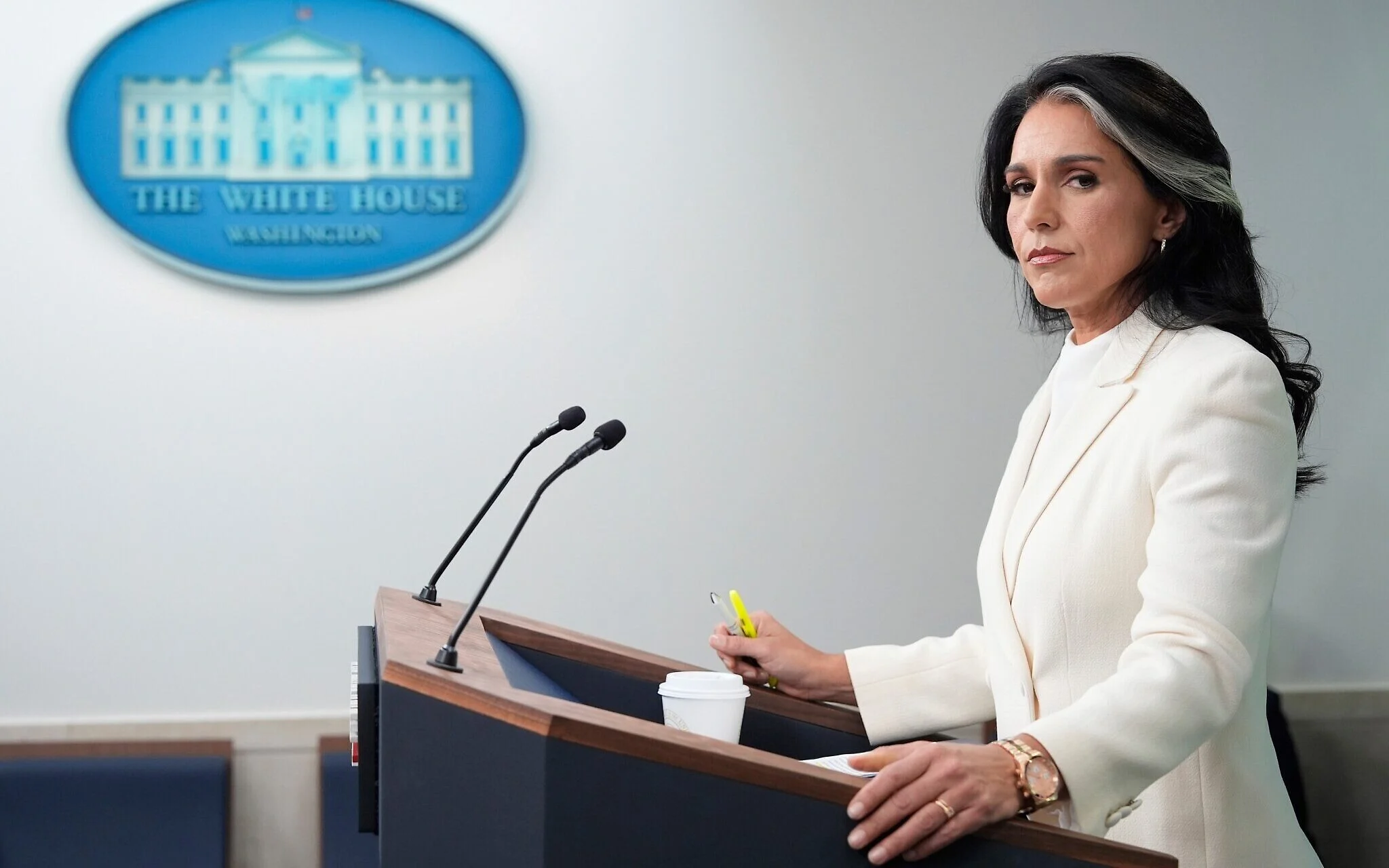
Tulsi Gabbard has officially resigned from her position as the United States spy chief, a role she held with significant responsibility. This change reportedly comes amid personal circumstances that have deeply affected her life, most notably her husband’s ongoing battle with cancer. The decision to step down appears to be rooted in her desire to prioritise family during these challenging times.

Gabbard, who has been a prominent figure in American politics as both a current and former congresswoman, has been vocal about her commitment to her family. Although details surrounding her resignation have not been extensively disclosed, her statements indicate that family needs require her immediate attention. Gabbard’s departure marks a notable shift in a career that includes diverse roles in public service and representation.

The specific reasons behind her resignation may relate to a combination of personal and professional challenges, particularly given the high-stress nature of intelligence roles in the government. As investigations and operations are ongoing, her resignation raises questions regarding leadership and stability within the office she once led.

Impact of Her Resignation

The impact of Tulsi Gabbard’s resignation on the intelligence community is expected to be significant. Given her experience, her absence may create gaps in leadership that could affect both ongoing and future intelligence initiatives. The intelligence community often relies on stability and continuity; thus, changes in leadership roles can lead to shifts in priorities and strategies.

Officials and analysts will likely monitor how her departure influences the morale and effectiveness of the agency. Gabbard’s tenure is acknowledged for various aspects, including her perspectives on security and international relations. The vacancy she leaves may necessitate a reevaluation of current projects and priorities within the intelligence apparatus.

Moving forward, it will be crucial for the administration to appoint a successor who can navigate the complexities of intelligence work, particularly during a time when numerous global threats persist. The search for a new candidate will involve assessing not only qualifications but also leadership style, as the new appointee will need to inspire confidence and direction among personnel.

Personal Considerations Behind Decision

Personal factors have played a substantial role in Gabbard’s decision to resign. Her husband’s cancer battle has not only been a source of emotional strain but is also a practical concern for her daily life and responsibilities. She has expressed a desire to be more present for her family during this difficult period, which underscores the human element that often influences political decisions.

Health crises within families can shift priorities dramatically, necessitating difficult choices about careers and public service commitments. Gabbard’s commitment to supporting her husband illustrates the impact of individual circumstances on broader roles within government. This change reinforces the notion that personal welfare and family support often take precedence over professional ambitions.

In light of her resignation, Gabbard may be stepping away from public life for a period. Observers will be interested to see how she navigates these challenges, particularly as it relates to public engagement and future political aspirations. Her decision illustrates that even prominent figures must confront real-life challenges that influence their roles and responsibilities.

Long or Short, get news the way you like. No ads. No redirections. Download Newspin and Stay Alert, The CSR Journal Mobile app, for fast, crisp, clean updates!

App Store –  https://apps.apple.com/in/app/newspin/id6746449540 

Google Play Store – https://play.google.com/store/apps/details?id=com.inventifweb.newspin&pcampaignid=web_share

Latest News

Popular Videos
