


Trump Says Iran Ceasefire ‘Over’, Warns US May ‘Finish The Job’
The CSR Journal Magazine

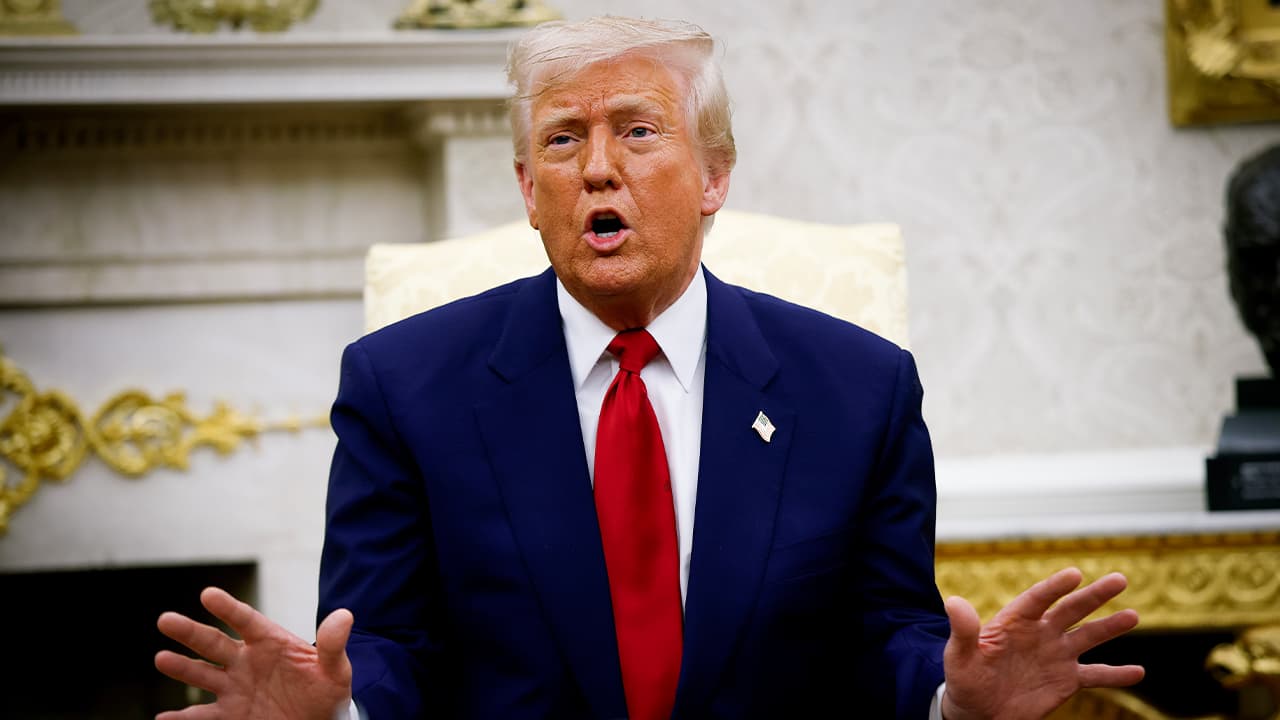
US President Donald Trump has said he believes the ceasefire agreement with Iran is effectively over and questioned whether Washington should continue pursuing a deal, even as the US military launched another round of strikes aimed at weakening Tehran’s ability to threaten shipping in the Strait of Hormuz.

Trump’s comments and the renewed military action have cast uncertainty over the interim arrangement reached between Washington and Tehran last month. Regional mediators are continuing diplomatic efforts to prevent the agreement from collapsing amid disputes over attacks on commercial vessels, Iran’s nuclear programme and the implementation of a ceasefire in Lebanon.

Trump Warns Of Further US Military Action

Speaking on Wednesday, Trump said another round of American attacks was imminent but rejected suggestions that the United States was preparing for a prolonged military campaign against Iran.

“Anything that happens is going to happen very fast. We’re not looking for a long time,” Trump said.

Hours later, the US military announced fresh strikes against Iran, saying the operations were intended to “further degrade their ability to threaten freedom of navigation in the Strait of Hormuz”.

Trump later indicated that his administration was losing interest in preserving the ceasefire agreement. Speaking during the NATO summit in Ankara, he said, “I think it’s over.”

“We can play games, but I’m not sure I want to make a deal,” Trump said, adding that the US military might “just finish the job.”

Regional Mediators Work To Salvage Ceasefire

A regional intelligence official involved in mediation efforts said the conflict had reached a critical stage as mistrust between Washington and Tehran continued to deepen. However, the official said high-level diplomatic contacts were continuing around the clock in an effort to preserve the ceasefire.

According to the official, who spoke on condition of anonymity, the foreign ministers of Pakistan and Qatar, along with Egypt’s intelligence chief, were leading the mediation efforts.

Turkish President Recep Tayyip Erdogan, whose country hosted the NATO summit that concluded on Wednesday, and leaders from Saudi Arabia were also involved in efforts to prevent further escalation, the official said.

Pakistan, which helped broker the ceasefire agreement, warned that renewed conflict was in “no one’s interest” and called on both Washington and Tehran to honour their commitments.

“There is no alternative to continued engagement, dialogue and diplomacy to achieve shared goal of peace in the region,” Pakistan’s foreign ministry said in a statement.

US And Iran Trade Accusations Over Agreement

The United States is angered by attacks on vessels travelling through the Strait of Hormuz and has accused Iran of delaying negotiations aimed at limiting its nuclear programme, according to the regional intelligence official.

The nuclear negotiations were considered an important next step towards transforming last month’s interim agreement into a lasting settlement to end the conflict.

Tehran, however, has accused Washington of violating the agreement over the Strait of Hormuz. Iran has also alleged that the United States has failed to ensure the implementation of a ceasefire in Lebanon, including an Israeli withdrawal, the official said.

Iran’s lead negotiator and Parliament speaker Mohammad Bagher Qalibaf accused the Trump administration of repeatedly violating the terms of the initial agreement, forcing Tehran to respond.

“The era of bullying and extortion is over. It leads nowhere. We don’t fold,” Qalibaf posted on X.

Expert Says Both Sides Remain In Negotiating Mode

Michael Eisenstadt, a former US military analyst who directs the Military and Security Studies Programme at the Washington Institute for Near East Policy, said the escalating rhetoric did not necessarily mean negotiations had ended.

“We’re still in negotiating mode, no matter what the president says,” Eisenstadt said.

“This is part of negotiating, and declaring that the MOU is over is part of the negotiation as well,” he added, referring to the memorandum of understanding on which the ceasefire agreement was based.

Trump Escalates Rhetoric Against Iran

Trump also intensified his personal attacks against Iran’s leadership, describing the country’s leaders as “scum” and “sick people”.

The remarks marked a shift from his comments last month, when he described Iran’s leadership as “very rational” and “nice to deal with”, while also calling them “smart people”.

Speaking at an event in Milwaukee on Wednesday, US Vice President JD Vance, who led American efforts to secure the initial agreement with Tehran, said Iran had been “well behaved for about a week” before resuming attacks in the Strait of Hormuz.

“If they shoot at ships, we’re going to knock the hell out of them,” Vance said.

Uncertainty Grows Over Next Phase Of Conflict

It remains unclear whether Trump’s latest threats are intended to increase pressure on Tehran during negotiations or signal preparations for further military escalation.

Ahead of the first two-week ceasefire in April, Trump had intensified his warnings against Iran, threatening strikes on bridges, roads and power plants.

“A whole civilisation will die tonight, never to be brought back again,” Trump wrote online at the time.

Trump again issued strong threats before the tentative 60-day agreement was reached last month. With renewed US strikes and increasingly hostile rhetoric from both sides, mediators are continuing efforts to prevent the ceasefire arrangement from collapsing completely.

Long or Short, get news the way you like. No ads. No redirections. Download Newspin and Stay Alert, The CSR Journal Mobile app, for fast, crisp, clean updates!

App Store –  https://apps.apple.com/in/app/newspin/id6746449540 

Google Play Store – https://play.google.com/store/apps/details?id=com.inventifweb.newspin&pcampaignid=web_share

Latest News

Popular Videos
