


Tibetan Lawmakers Oppose China’s Ethnic Unity Law Over Cultural and Autonomy Concerns
The CSR Journal Magazine

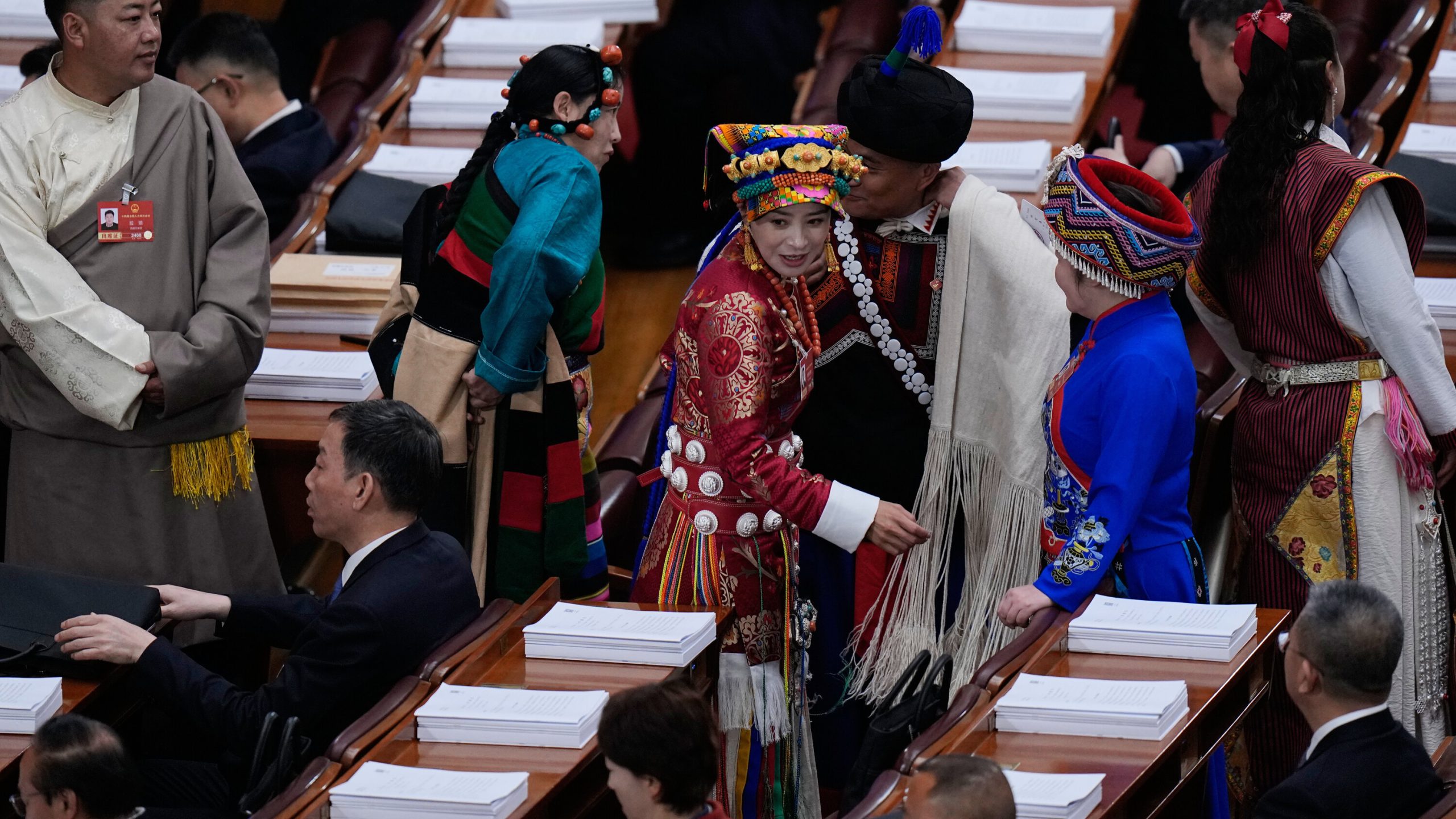
The Tibetan Parliament-in-Exile has unanimously passed a resolution opposing China’s recently enacted Law on Promoting Ethnic Unity and Progress. This legislation, which was approved by China’s National People’s Congress on March 12, is set to take effect on July 1. The resolution, introduced by Central Tibetan Administration President Penpa Tsering and supported by Norzin Dolma, characterizes the law as a strategic attempt to undermine and erase Tibetan identity. Following extensive discussions, members of the House showcased a strong political consensus by voting in favor of the resolution without opposition.

Concerns Over Violations of Ethnic Autonomy

Tibetan lawmakers assert that the new law contravenes international legal standards and goes against China’s constitutional commitments to ethnic autonomy and equality. The resolution emphasizes that this legislation represents a systematic initiative aimed at forced assimilation, linking it to Beijing’s overarching “second-generation ethnic policy.” This policy seeks to integrate minority identities into a consolidated national identity framed under the concept of “Zhonghua Minzu.” The Parliament highlights that such moves erode Tibet’s distinctive cultural, linguistic, and religious heritage.

Impact on Language and Education

A key element of concern raised in the resolution is the law’s focus on fostering a “shared national identity,” which the lawmakers contend is being imposed through aggressive state policies in various sectors, including education and governance. Specific measures cited involve the prioritization of Mandarin Chinese in educational institutions, the alteration of curricula to minimize the Tibetan language, and the marginalization of traditional knowledge systems. These educational policies threaten to stifle Tibet’s rich cultural expression and heritage.

Altering Cultural Landscapes and Practices

The resolution also points to significant changes in cultural and social dynamics, identifying alterations in architecture, place names, and religious customs as part of a broader agenda for “Sinicisation.” Integration efforts through demographic adjustments, including migration and employment restructuring, are seen as attempts to dilute Tibet’s cultural continuity. Such policies raise alarms about the future preservation of Tibetan cultural identity as they impose external structures on local practices.

Increased Political Control and Surveillance

Furthermore, lawmakers expressed deep concerns regarding governance frameworks that centralize power under the Chinese Communist Party. With heightened surveillance practices and intensified political control, the resolution warns that these measures would significantly restrict opportunities for cultural and political expression among Tibetans. The lawmakers also voiced their objections regarding the extraterritorial implications of the law, cautioning that it could specifically target Tibetans and advocacy organizations outside China accused of separatist activities.

Long or Short, get news the way you like. No ads. No redirections. Download Newspin and Stay Alert, The CSR Journal Mobile app, for fast, crisp, clean updates!

App Store –  https://apps.apple.com/in/app/newspin/id6746449540 

Google Play Store – https://play.google.com/store/apps/details?id=com.inventifweb.newspin&pcampaignid=web_share

Latest News

Popular Videos
