


Hong Kong Court Jails a Redsident Raymond Chong for Online Sedition Post
The CSR Journal Magazine

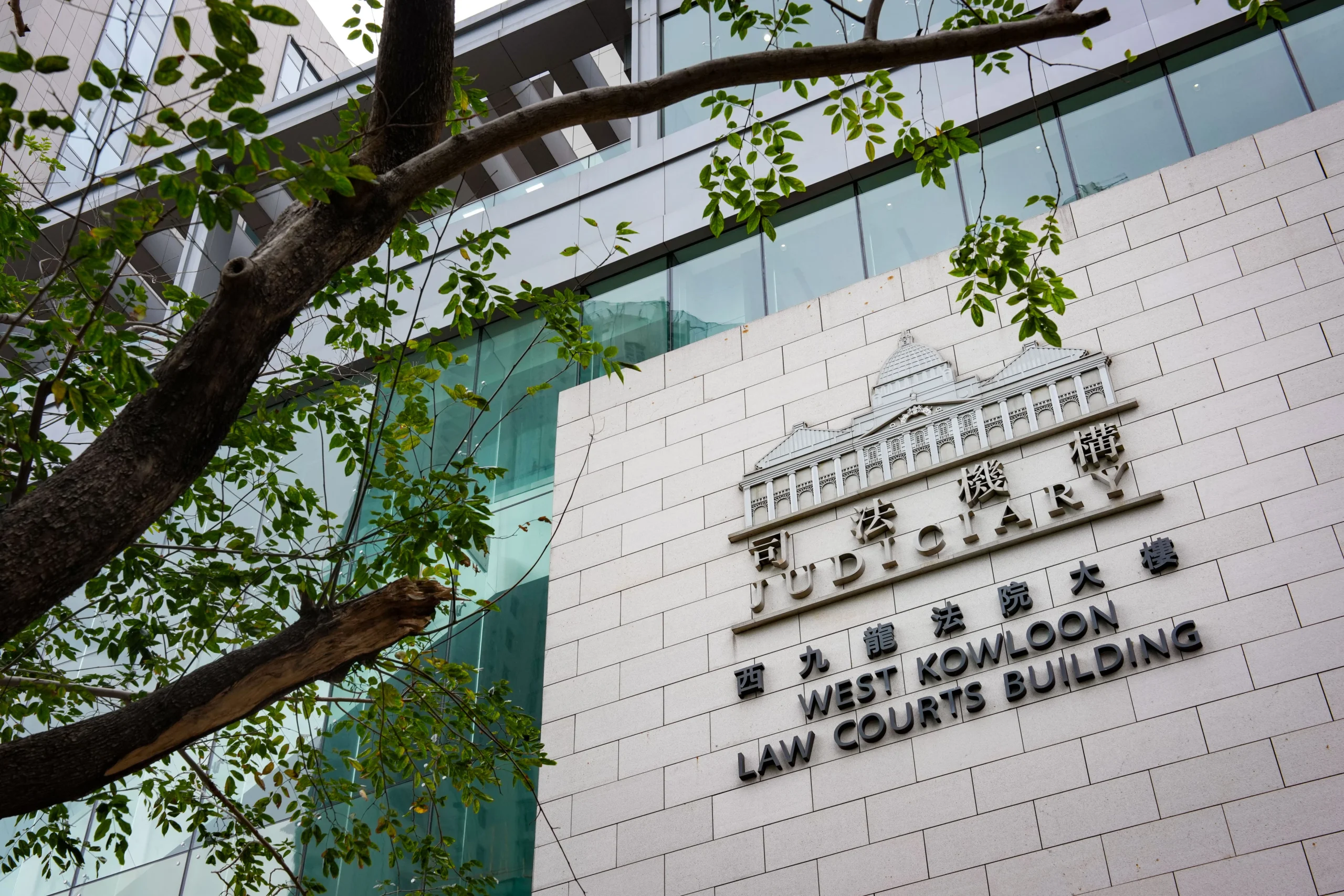
A resident of Hong Kong, Raymond Chong, has been sentenced to one year in prison under the national security laws of the city. This recent development raises further concerns regarding the erosion of civil liberties in the region. The court proceedings were reported to have taken place in West Kowloon Magistrates’ Courts, presided over by national security judge Victor So.

Chong, a retiree in his early 60s, pleaded guilty to charges related to posting content classified as “seditious” by authorities. An initial sentence of eighteen months was later reduced to one year, taking into account his admission of guilt. The legal proceedings have highlighted the severity of the measures being imposed by the government in response to dissent.

Content of the Published Posts

The charges against Chong stem from fifty-three posts he shared on Facebook between March 2024 and November 2025. These posts appeared on a public page titled “Holy Raymond,” where Chong expressed views supporting the independence of Hong Kong and advocated for the dismantling of the Chinese Communist Party. The page itself featured a slogan that was critical of Beijing, demonstrating the type of dissent increasingly regarded as unacceptable by the authorities.

During the court hearings, Chong’s defence team argued that his posts merely expressed personal views influenced by his association with Falun Gong. They contended that these messages reflected frustration rather than any intention to provoke unrest. However, this defence was dismissed by the court, which noted that the posts had accumulated over 650 likes and close to 90 comments, indicating a significant level of engagement and potential influence on the public.

Authorities have increasingly targeted social media content deemed a threat to the state’s stability, using such cases to reinforce their stance on dissent. The government’s response underscores a broader trend of tightening control in the region, which has sparked debate on the limits of free expression.

Context of National Security Legislation

This case falls under Article 23, known formally as the Safeguarding National Security Ordinance, which was enacted in March 2024. The legislation aims to address various offences, including sedition, treason, espionage, and external interference. While the government defends the ordinance as necessary for maintaining order, numerous rights organisations have highlighted its use as a tool for stifling dissent.

The implementation of the national security law has led to widespread criticism, with many asserting that it curtails freedoms that were previously protected under the “one country, two systems” arrangement. Many fear that such legislation could set a precedent for further restrictions on free speech and civil rights in Hong Kong.

As the judiciary navigates these complex matters, the implications of the Chong case may have far-reaching effects on the inhabitants of Hong Kong, particularly regarding the right to express dissenting opinions. Observers of the situation continue to watch closely as such legal decisions shape the future landscape of civil liberties in the city.

Long or Short, get news the way you like. No ads. No redirections. Download Newspin and Stay Alert, The CSR Journal Mobile app, for fast, crisp, clean updates!

App Store –  https://apps.apple.com/in/app/newspin/id6746449540 

Google Play Store – https://play.google.com/store/apps/details?id=com.inventifweb.newspin&pcampaignid=web_share

Latest News

Popular Videos
