


Tamil Nadu CM Vijay Appeals to PM Modi to Halt Karnataka’s Mekedatu Dam Project
The CSR Journal Magazine

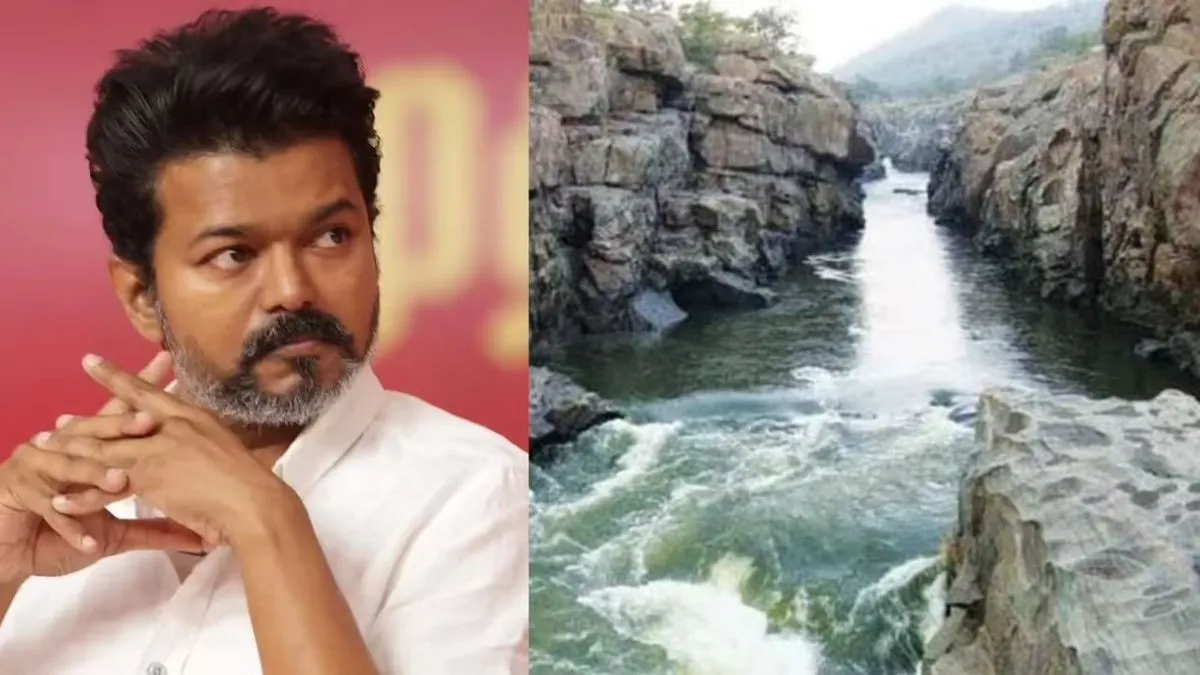
The Mekedatu dam project has been a point of contention between the states of Karnataka and Tamil Nadu. Proposed to be constructed on the Cauvery River, the dam aims to provide drinking water for the Bengaluru area as well as facilitate hydroelectric power generation. However, Tamil Nadu officials have expressed strong opposition to the project, citing environmental concerns and potential issues with water-sharing between the two states.

CM Vijay’s Letter to PM Modi

Tamil Nadu Chief Minister M.K. Stalin, also known as VN Vijay, has formally written to Prime Minister Narendra Modi, urging him to intervene and halt the ongoing developments related to the Mekedatu dam. In the letter, CM Vijay articulated that the project constitutes a “clear violation” of the Supreme Court’s decision concerning water distribution and the Cauvery Water Management Authority’s guidelines.

Vijay underscored that the possible construction of the dam could severely affect the water supply for agricultural and drinking purposes in Tamil Nadu. He emphasised that the project must be reconsidered to ensure the equitable distribution of resources as available under the established agreements between the two states.

The Chief Minister also mentioned that any unilateral action by Karnataka in proceeding with this project would be seen as an infringement upon Tamil Nadu’s rights over its water resources. He requested the Prime Minister’s involvement to protect the interests of the people of Tamil Nadu and avert potential legal disputes arising from the situation.

Responses from Karnataka Officials

Furthermore, Karnataka officials have stated that the project adheres to the necessary protocols and has undergone the requisite environmental assessments. They have expressed confidence that the endeavour will prove beneficial not only for Karnataka but could also enhance water management in the region, ultimately benefiting neighbouring states.

Despite this, opposition voices in Tamil Nadu continue to raise alarm over the ramifications of the dam on their own water availability. Many residents and farmers have mobilised to express their disapproval of the project, demanding that their voices be heard and their water rights protected.

Implications and Future Developments

The ongoing dispute regarding the Mekedatu dam project could have significant implications for interstate relations and water management in southern India. As the situation evolves, both states may need to engage in dialogue to address each other’s concerns and work toward a mutual understanding. It remains to be seen how the central government will respond to CM Vijay’s appeals and what measures will be taken to resolve these disputes.

The Supreme Court’s involvement could also play a critical role in determining the legality of the project, as various aspects of water resource management and inter-state agreements will be scrutinised. Experts suggest that effective mediation is needed at this stage to prevent escalation into a broader conflict.

In conclusion, the Mekedatu dam project serves as a significant flashpoint in the ongoing discourse on water resource management and state rights in India. Both Karnataka and Tamil Nadu must navigate this complex issue while considering the welfare of their respective populations as well as the overarching legal frameworks governing such projects.

Long or Short, get news the way you like. No ads. No redirections. Download Newspin and Stay Alert, The CSR Journal Mobile app, for fast, crisp, clean updates!

App Store –  https://apps.apple.com/in/app/newspin/id6746449540 

Google Play Store – https://play.google.com/store/apps/details?id=com.inventifweb.newspin&pcampaignid=web_share

Latest News

Popular Videos
