


Supreme Court Seeks Clarification on Legal Basis for UPI MDR Charges
The CSR Journal Magazine

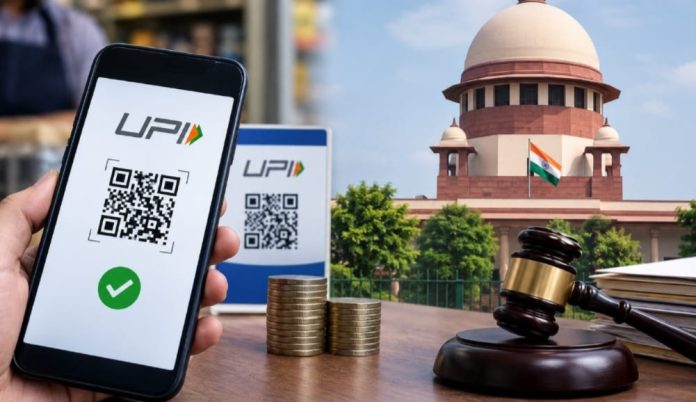
The Supreme Court has requested clarifications from the government and the Reserve Bank of India (RBI) regarding the legal foundation for the charges associated with the Unified Payments Interface (UPI) Merchant Discount Rate (MDR). This inquiry comes in light of growing questions over the transparency and implications of these charges on consumers and merchants alike.

Background on UPI and MDR

The Unified Payments Interface has transformed digital transactions in India by enabling real-time peer-to-peer transfers. However, alongside the convenience of UPI, the concept of Merchant Discount Rate has emerged, where merchants incur charges on transactions processed through the interface. These charges ostensibly aim to cover operational costs, but their legality and necessity have been under scrutiny.

Reports indicate that various stakeholders, including small merchants and consumers, are expressing concerns about the financial burden imposed by these MDR charges. The Supreme Court has taken a keen interest in this matter, questioning whether these charges are justifiable and who actually benefits from them. The court’s probing suggests a need for more clarity in how the charges are structured and implemented.

The key players in the digital payment ecosystem, including banks and payment service providers, are also expected to provide insights into how the MDR framework operates. The Supreme Court’s engagement could lead to revisions in policy structures to enhance fairness and transparency in digital transactions.

Anticipated Outcomes of the Supreme Court’s Inquiry

The Supreme Court’s investigation may result in significant changes concerning UPI MDR charges. A clearer understanding of these charges could help ensure that consumers are not unfairly burdened. Legal experts suggest that the court’s ruling could potentially reshape the landscape of digital payments in India.

In response to the court’s request, the government and the RBI will need to present comprehensive data showing how the MDR charges are calculated, distributed, and utilised. This may lead to new guidelines that establish clearer rules governing MDR, thus providing protection for both consumers and merchants.

The implications of this inquiry extend beyond just the payments industry. The outcomes could influence consumer rights within the broader context of financial transactions, potentially fostering a more equitable environment for digital services in India.

Next Steps and Future Developments

The Supreme Court has set a timeline for the government and the RBI to respond, signalling the urgency of the matter. This development will be closely watched, given the rapid growth of digital payments in India and the increasing reliance on UPI by millions of users.

As the situation evolves, it will be essential to monitor how stakeholders adapt to regulatory changes. Consumers, merchants, and digital payment platforms will all be affected by any new guidelines established in the wake of the court’s decisions.

Analysts predict that the ongoing scrutiny could result in improved frameworks that ensure fair practices in the digital payments sector. The outcome of this inquiry may set a precedent for other payment systems globally, marking a significant initiative in consumer protection in the digital age.

Long or Short, get news the way you like. No ads. No redirections. Download Newspin and Stay Alert, The CSR Journal Mobile app, for fast, crisp, clean updates!

App Store –  https://apps.apple.com/in/app/newspin/id6746449540 

Google Play Store – https://play.google.com/store/apps/details?id=com.inventifweb.newspin&pcampaignid=web_share

Latest News

Popular Videos
