


Supreme Court to Hear Petition Against 0.4% MDR on UPI Payments
The CSR Journal Magazine

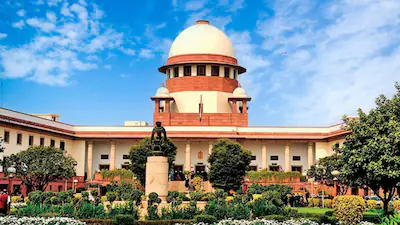
The Supreme Court is set to consider a petition on Monday that contests the Indian government’s decision to implement a Merchant Discount Rate (MDR) on certain UPI transactions exceeding Rs 2,000. This framework, which introduces a 0.4 per cent fee on merchant payments, marks the end of nearly six years without fees for UPI transactions. The new charge will come into effect on October 15, 2026. The plea raises concerns regarding the legal foundation for this initiative and the manner in which it was executed.

Details of the Petition

The public interest litigation was filed by advocate Anjan Datta and seeks to invalidate the notification issued by the Centre on September 14, as well as the MDR framework unveiled on September 15. The petitioners argue that the fee has been introduced without sufficient statutory safeguards, transparency, or public consultation. It specifically challenges the constitutionality of the amended Section 10A of the Payment and Settlement Systems Act, 2007.

Under the newly proposed rate structure, the MDR will be capped at Rs 300 for transactions of Rs 75,000 or more. Moreover, sectors with tight profit margins, such as railways and telecommunications, will incur a flat fee of Rs 5 per transaction for amounts above Rs 2,000. Conversely, person-to-person transfers, which comprise 37 per cent of UPI’s transaction volume, will remain free of charge. The petition also highlights the arbitrary nature of the new fees, arguing that they may disproportionately impact merchants with low margins.

Furthermore, the petition questions the distinction between UPI transactions and payments made through RuPay debit cards, which will continue to enjoy no-charge protection. This difference may create an uneven playing field, according to the petitioner. The terms of the plea state, “Declare that no MDR or analogous compulsory charge may be imposed or recovered merely on the strength of a press release or FAQs absent a duly authorised, authenticated and published statutory instrument.”

Claims of Lack of Consultation and Transparency

The petition contends that the government failed in its duty to engage in transparent consultations before implementing the MDR framework. It calls for a detailed examination of the framework’s potential implications on merchants and consumers. The plea suggests the need for a comprehensive assessment that includes empirical data to guide any future modifications to the MDR classification criteria.

Moreover, the petitioners seek a revised look at the framework after ensuring the involvement of stakeholders, especially those from the micro and small enterprise sectors. The submission demands that future MDR classifications consider relevant aspects such as merchant turnover, geographical factors, and the overall ability of businesses to absorb such costs. The ambiguity and poorly defined parameters of the new structure have raised alarms about potential risks of digital exclusion for smaller merchants and consumers.

The case will test the robustness of the government’s new MDR regulations for higher-value UPI transactions. The Union Government and authorities like the Reserve Bank of India are party respondents in the matter, making the legal proceedings a key point for assessing the implications of the newly introduced fee structure. The upcoming hearing in the Supreme Court is anticipated to provide vital insights into the statutory basis for these regulations and their impact on the financial ecosystem.

Long or Short, get news the way you like. No ads. No redirections. Download Newspin and Stay Alert, The CSR Journal Mobile app, for fast, crisp, clean updates!

App Store –  https://apps.apple.com/in/app/newspin/id6746449540 

Google Play Store – https://play.google.com/store/apps/details?id=com.inventifweb.newspin&pcampaignid=web_share

Latest News

Popular Videos
