


Sri Lanka Court Convicts 15 Individuals for Involvement in 2019 Easter Bombings
The CSR Journal Magazine

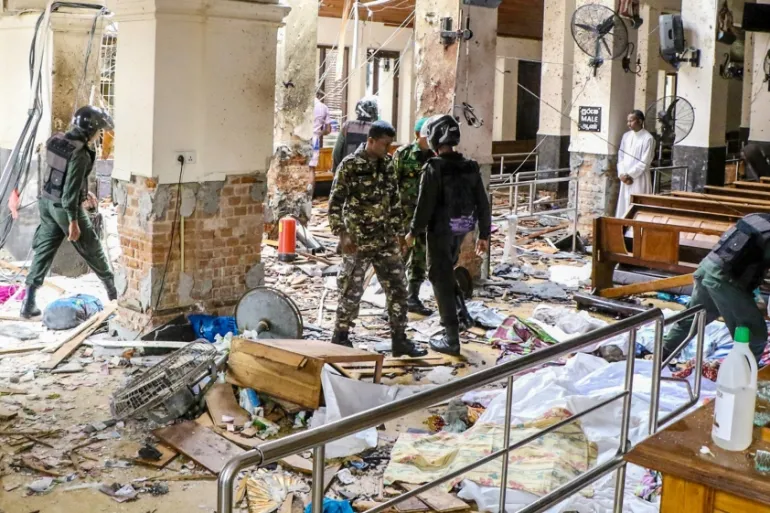
A Sri Lankan court has adjudged 15 individuals guilty of participating in the Easter Sunday bombings of 2019, resulting in 270 fatalities, including 11 Indian nationals, and injuring over 500. The verdict was delivered on Tuesday by a three-judge High Court Trial-at-Bar comprised of Judges Navaratne Marasinghe, Ramanathan Kannan, and Sujeewa Nissanka.

Initially, 25 suspects faced charges, but the number was reduced to 24 following the death of one individual. The judicial proceedings, which spanned nearly five years, concluded with the conviction of the prime accused, Mohammadu Ebrahim Mohammdu Naufer, also known as Naufar Moulavi. Alongside him, the court acquitted nine other defendants.

Sentencing for the convicted individuals is anticipated shortly. A total of 23,270 charges were levied against the accused, with 2,309 witnesses providing testimony for the prosecution during the course of the trial. The charges included violations under the Prevention of Terrorism Act (PTA) concerning murder, conspiracy to commit terrorism, aiding and abetting, and handling of firearms and explosives.

Details of the Attacks

On April 21, 2019, a series of suicide bombings orchestrated by nine attackers associated with the local Islamist extremist group National Thawheed Jamaat, alleged to have connections with ISIS, struck three Catholic churches and three luxury hotels. The coordinated blasts devastated several locations, leading to the significant loss of lives and numerous injuries.

Among those killed were 11 Indian citizens, drawing international concern and outrage. The investigations into these attacks revealed that Zaharan Hashim, the leader of the National Thowhith Jamaath, was directly involved, having executed the bombing at the Shangri-La Hotel. The links between Hashim and Naufer were scrutinised, as authorities sought to unravel the network that enabled such extensive damage and loss of life.

In a separate legal ruling in July, former police chief Pujith Jayasundera and Hemasiri Fernando, who was the top official in the Ministry of Defence at the time, were sentenced to death. They were found guilty of criminal negligence for not addressing intelligence reports that could have thwarted the attacks.

Political Repercussions and Accountability

The aftermath of the bombings incited significant political controversy in Sri Lanka. Then President Maithripala Sirisena and then Prime Minister Ranil Wickremesinghe faced severe criticism for their failure to act on intelligence that could have potentially precluded the tragic events. A presidential inquiry initiated by Sirisena after the bombings revealed failings linked to his administration.

Despite the inquiry’s findings holding him accountable, Sirisena has maintained his innocence regarding the allegations raised against him. In a further legal development earlier this year, he, along with other high-ranking defence officials, was directed to compensate the families of the victims, with the amount totaling multiple millions of rupees as decreed by the courts regarding fundamental rights petitions.

The collective legal actions and rulings emanating from the bombings underscore the serious implications that both individuals and leadership bear in ensuring security and responding to threats. This case represents one of the notable instances of judicial accountability concerning terrorism in Sri Lanka.

Long or Short, get news the way you like. No ads. No redirections. Download Newspin and Stay Alert, The CSR Journal Mobile app, for fast, crisp, clean updates!

App Store –  https://apps.apple.com/in/app/newspin/id6746449540 

Google Play Store – https://play.google.com/store/apps/details?id=com.inventifweb.newspin&pcampaignid=web_share

Latest News

Popular Videos
