


Renewable Energy Boost: Karnataka’s New Framework Supports Sustainable Development
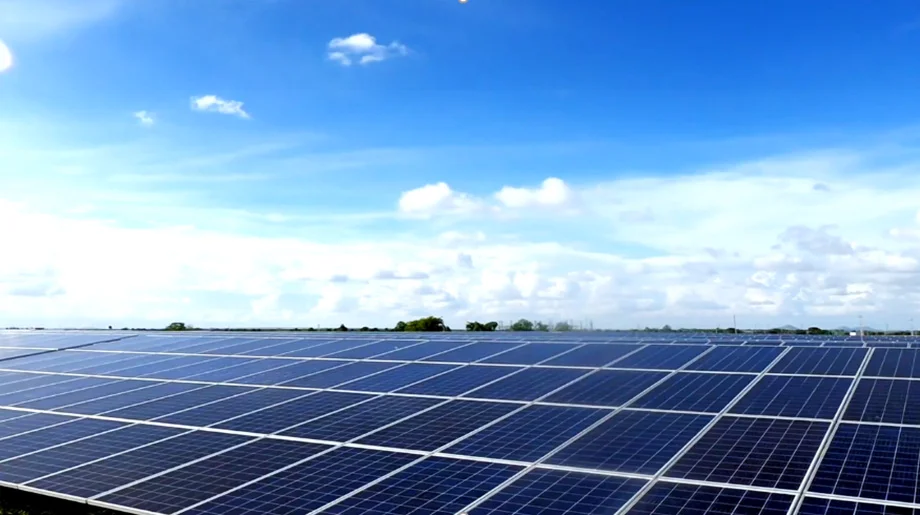
The CSR Journal Magazine

Karnataka has revealed a draft framework intended to streamline the process of grid access for renewable energy and storage projects. The Karnataka Electricity Regulatory Commission (KERC) introduced these regulations with the goal of ensuring equitable connectivity to the state’s transmission and distribution networks for a variety of stakeholders, including generators, consumers, and licensed operators.

The framework comprises distinct provisions for various energy sources, including solar, wind, and hybrid power installations, along with independent energy storage systems. By promoting these diverse technologies, the KERC aims to enhance the state’s renewable energy capacity and infrastructure.

Access Categories and Capacity Requirements

A significant aspect of the proposed framework is the establishment of two specific categories: “solar-hour” and “non-solar-hour” access. This categorisation aims to optimise the usage of the existing transmission infrastructure. According to the draft rules, renewable energy projects and storage systems with a minimum capacity of 5 MW will have the option to seek connectivity through the intra-state transmission network. Conversely, smaller projects will connect through the distribution network.

The regulations also facilitate enhanced grid usage by allowing co-located renewable energy and storage projects to efficiently share transmission capacity. This framework is designed to optimise operations and improve overall system reliability.

Furthermore, the regulations support several models that promote capacity aggregation, such as the Lead Generator and Lead Energy Storage System. These models allow multiple projects to utilise shared connectivity infrastructure, which can effectively reduce the costs associated with network development.

Stakeholder Involvement and Implementation Timeline

Renewable Power Park Developers that have received authorisation from state or central government entities will be eligible to seek connectivity on behalf of projects situated within their parks. This provision is intended to facilitate more streamlined access to the grid for larger renewable energy developments.

The introduction of this comprehensive framework reflects Karnataka’s commitment to enhancing its renewable energy landscape and promoting sustainable energy practices across the state. As the consultation period unfolds, stakeholders are urged to express their views and contribute to shaping the future of renewable energy in Karnataka.

Long or Short, get news the way you like. No ads. No redirections. Download Newspin and Stay Alert, The CSR Journal Mobile app, for fast, crisp, clean updates!

App Store –  https://apps.apple.com/in/app/newspin/id6746449540 

Google Play Store – https://play.google.com/store/apps/details?id=com.inventifweb.newspin&pcampaignid=web_share

Latest News

Popular Videos
