


Parliamentary Committee Calls For Reforms in NTA Following NEET-UG Cancellation
The CSR Journal Magazine

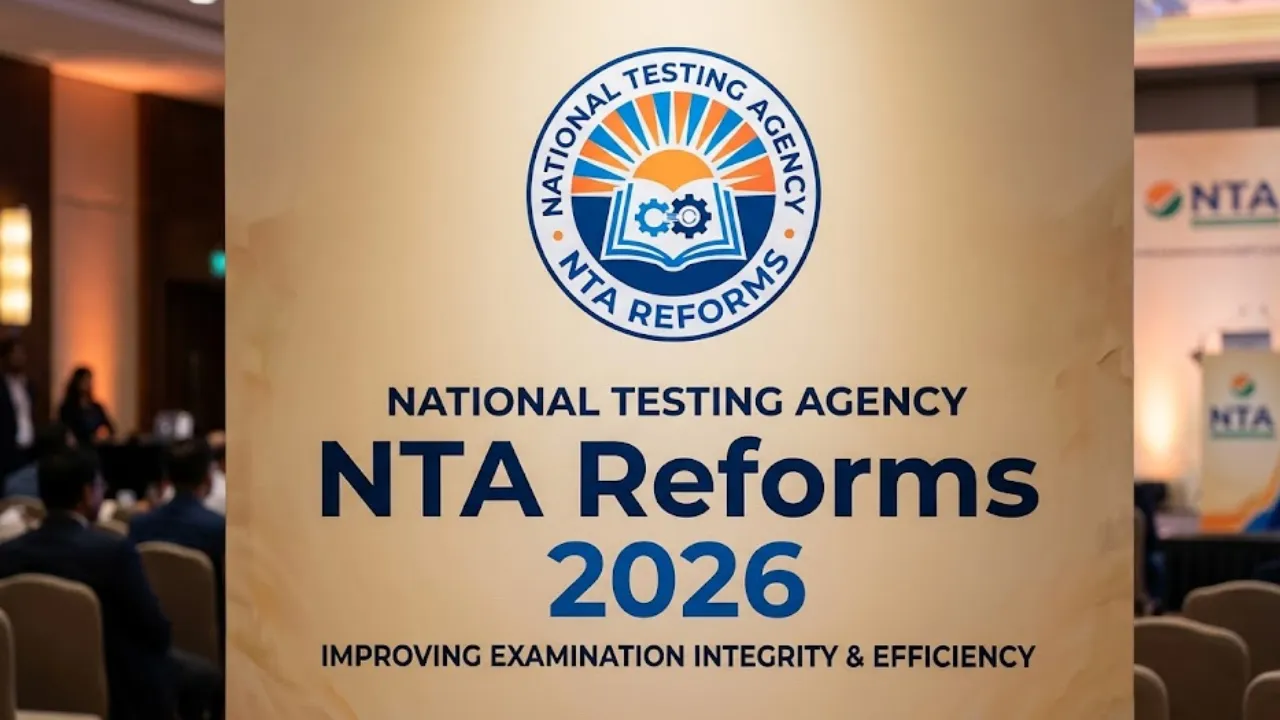
A parliamentary standing committee has requested the establishment of a legislative framework to hold the National Testing Agency (NTA) accountable to both Houses of Parliament. This call comes in the wake of the cancellation of the NEET-UG 2026 exam over allegations of a paper leak. The committee’s report, titled “Reforms and Strengthening of NTA,” emphasises that public trust in examinations is integral to social justice and national integrity.

The committee indicated that the cancellation signified a necessity for further enhancements in the agency’s operations, despite prior measures taken by the NTA. It advocated for strengthened security protocols, clearer accountability measures, proper staffing, and increased digitalisation to mitigate the activities of organised networks involved in examination malpractices.

To this end, the panel urged the education department to implement a parliamentary framework to ensure that the NTA operates with greater transparency and responsibility towards Parliament.

Proposed Changes to NEET-UG Structure

Among the recommendations made by the committee is the examination of a two-stage format for major entrance tests, including NEET-UG. The current model allows for an unlimited number of attempts and has no upper age restriction, allowing candidates above the age of seventy to participate. The committee suggested that the Ministry of Education, in collaboration with the Health Ministry and other stakeholders, explore reasonable age and attempt limits aimed at creating a more structured examination environment.

Additionally, the committee proposed that the NTA consider implementing a preliminary examination to differentiate candidates seeking various medical specialisations. This model could facilitate a separation between those pursuing admissions for nursing or AYUSH courses and those competing for MBBS positions through subsequent specialised examinations.

This proposed two-stage approach is expected to enhance the transparency and efficacy of the examination process, thus addressing concerns raised by various stakeholders.

Improvements in Examination Infrastructure and Staffing

The committee also recommended a shift towards a computer-based testing model, advocating for the involvement of state-owned centres rather than relying predominantly on private examination facilities. It called for the formulation of a comprehensive plan to establish secure government-operated computer-based testing centres, thereby improving the overall exam experience for candidates.

Provisions were suggested for latecomers, allowing them to take the examination after signing an undertaking, thus providing a degree of flexibility in the testing process. The committee underscored the importance of accommodating candidates while maintaining the integrity of the examination.

Another significant issue highlighted was the staffing shortage at the NTA, with only 23 of the 39 sanctioned positions filled, translating to a vacancy rate of 41 per cent. The report recommended recruiting permanent staff, particularly experts in psychometrics, examination security, digital infrastructure, data analysis, and logistical operations. This recruitment aimed to bolster the agency’s expertise and operational effectiveness in managing examinations.

The committee concluded that restoring public confidence in the examination processes would necessitate consistent and transparent communication with all stakeholders, a fundamental aspect in ensuring integrity is upheld across the educational landscape.

Long or Short, get news the way you like. No ads. No redirections. Download Newspin and Stay Alert, The CSR Journal Mobile app, for fast, crisp, clean updates!

App Store –  https://apps.apple.com/in/app/newspin/id6746449540 

Google Play Store – https://play.google.com/store/apps/details?id=com.inventifweb.newspin&pcampaignid=web_share

Latest News

Popular Videos
