


ISRO Launches NVS-03 Satellite to Enhance Indigenous Navigation Capabilities
The CSR Journal Magazine

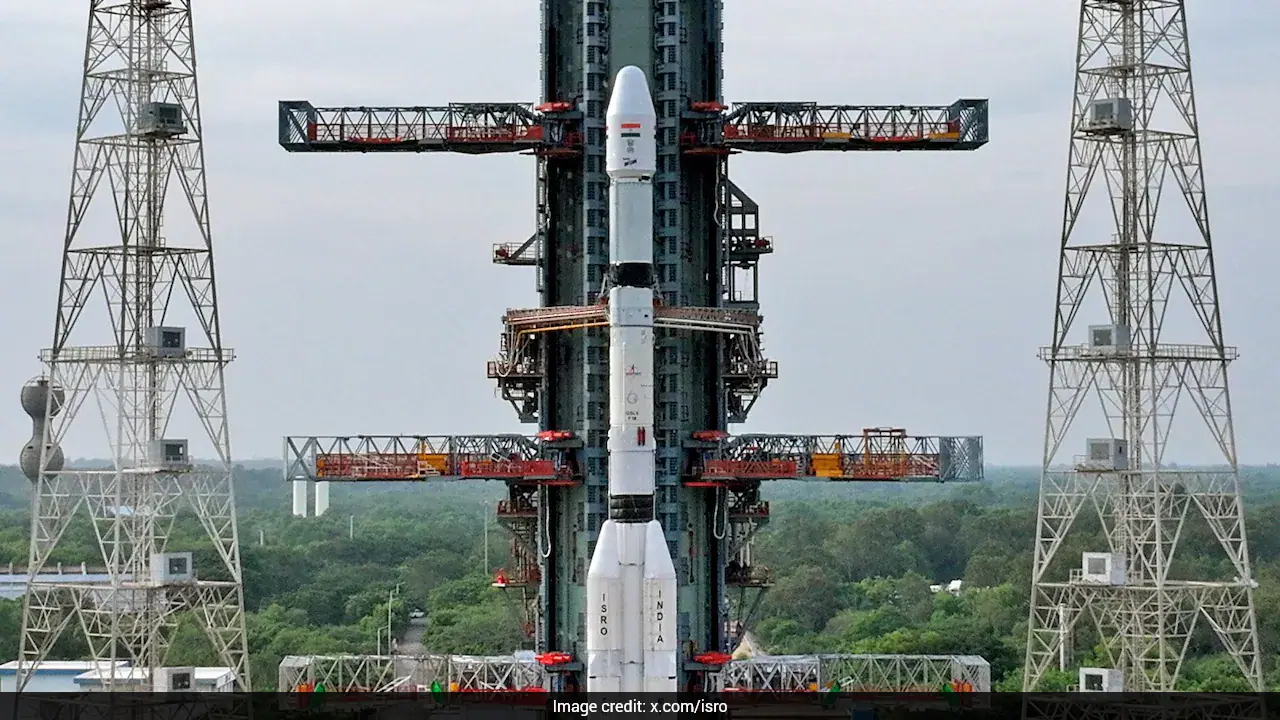
The Indian Space Research Organisation (ISRO) has launched the NVS-03 satellite today, marking a significant advancement in India’s navigation capabilities. The satellite was deployed using the Geosynchronous Satellite Launch Vehicle (GSLV-F18) at 11.51 pm from the Satish Dhawan Space Centre (SDSC-SHAR) in Sriharikota, Andhra Pradesh. This mission is crucial for bolstering the indigenous Navigation with Indian Constellation (NavIC), which serves as India’s version of GPS.

The launch of NVS-03 is particularly timely, given the recent operational needs highlighted by India’s military engagements. The satellite will be positioned in Geosynchronous Transfer Orbit, enhancing the country’s ability to provide precise positioning, navigation, and timing services both domestically and in surrounding regions.

The NVS-03 satellite is the twelfth addition to the Indian Regional Navigation Satellite System (IRNSS) and the third in the second-generation series. It is equipped with an indigenous atomic clock, which is a significant technological development aimed at improving the reliability of the navigation system.

Technological Advancements and Strategic Importance

The introduction of the indigenous atomic clock in NVS-03 represents a major milestone for ISRO, as it aims to rectify past issues with satellite performance. Previous satellites in the NavIC constellation faced challenges, particularly with imported atomic clocks that affected operational capabilities. The new clock is expected to enhance the accuracy of positioning data, which is vital for various applications including military operations and civilian navigation.

The NVS-03 satellite is designed to provide continuous navigation services, thereby reinforcing the existing NavIC network. This capability is essential for India, especially in light of the strategic vulnerabilities exposed during the 1999 Kargil War, where reliance on foreign navigation systems became a pressing concern. The need for an independent navigation capability has only grown in importance in the current geopolitical climate.

The satellite will extend its services over an area of approximately 1,500 kilometres beyond Indian territory, covering critical regions like the Indian Ocean. This wide coverage is crucial for various sectors, including transportation, disaster management, and military operations, reflecting the multifaceted importance of the NavIC system.

GSLV-F18 and Future Prospects

The GSLV-F18 mission marks the twentieth flight of the GSLV programme, which has evolved significantly since its inception. Initially plagued by setbacks, the GSLV has become a reliable launcher capable of deploying heavy satellites into Geosynchronous Transfer Orbit. The rocket stands approximately 50 metres tall and weighs around 420 tonnes at liftoff, showcasing ISRO’s advancements in cryogenic propulsion technology.

ISRO aims to maintain momentum following a mixed year of launches, with NVS-03 being the third mission of 2026. The successful deployment of this satellite is expected to restore confidence in India’s navigation capabilities, particularly after previous satellite failures that have hindered the operational capacity of the NavIC system.

Looking ahead, ISRO plans to launch additional satellites, NVS-04 and NVS-05, to further enhance the robustness of the NavIC constellation. These upcoming missions are critical for ensuring that India has a resilient and sovereign navigation network, capable of operating independently of international systems. The successful launch of NVS-03 is a pivotal step towards achieving this objective.

Long or Short, get news the way you like. No ads. No redirections. Download Newspin and Stay Alert, The CSR Journal Mobile app, for fast, crisp, clean updates!

App Store – https://apps.apple.com/in/app/newspin/id6746449540

Google Play Store – https://play.google.com/store/apps/details?id=com.inventifweb.newspin&pcampaignid=web_share

Latest News

Popular Videos
