


Delhi Implements Work-From-Home Policy and Construction Ban to Combat Pollution
The CSR Journal Magazine

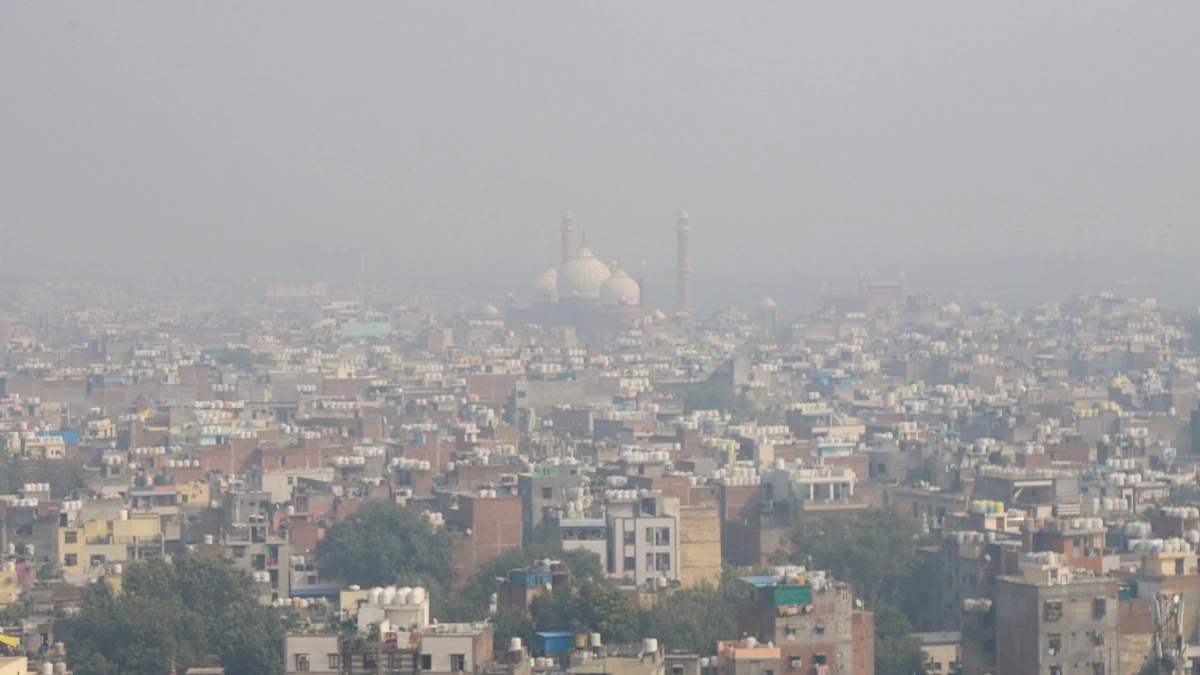
The Delhi government, along with five neighbouring districts in the National Capital Region (NCR), will enforce a work-from-home policy for up to 50 per cent of the workforce from November 5 to 20. This measure is part of a series of actions mandated by the Commission for Air Quality Management (CAQM) to address rising pollution levels. The affected areas include Delhi, Gurugram, Faridabad, Sonipat, Ghaziabad, and Gautam Buddha Nagar, with employees not required to attend physical offices during this period.

In accordance with the CAQM’s directive issued on October 30, government and private offices must comply with these attendance restrictions. However, industrial establishments and essential services that cannot implement such arrangements are exempt from this rule. The CAQM has tasked the Delhi government and the respective state governments in NCR with ensuring adherence to these guidelines.

Construction Activities Restricted Across NCR

In addition to the work-from-home policy, the CAQM has placed a ban on dust-generating demolition and outdoor construction activities throughout the NCR for the same 16-day timeframe. This restriction encompasses various linear infrastructure projects, including highways, roads, flyovers, overbridges, power transmission lines, pipelines, and telecommunications projects.

However, certain projects are exempt from these restrictions, including those related to railways, Metro services, airports, inter-state bus terminals, hospitals, and water supply and sanitation. Projects deemed critical for national security and defence, as well as those of national importance, will also continue without interruption. The CAQM emphasises that these measures are necessary to mitigate the impact of construction-related dust on air quality during this critical period.

The commission’s decision reflects a growing concern over air quality in the region, particularly during the winter months when pollution levels tend to spike. The restrictions aim to reduce emissions and improve air quality for residents in the NCR.

Preventive Measures Ahead of Peak Pollution Season

The CAQM has highlighted that data collected from 2018 to 2025 indicates that Delhi-NCR often experiences ‘Severe’ and ‘Severe+’ pollution levels in early to mid-November. This trend is attributed to low wind speeds and limited air movement during this time, which hinder the dispersion of pollutants and contribute to their accumulation near the ground.

In light of these findings, the commission has implemented temporary measures designed to lower emissions in anticipation of the expected peak pollution period. The CAQM aims to create a healthier environment for residents by taking proactive steps to manage air quality. These initiatives are part of a broader strategy to combat air pollution, which has been a persistent challenge for the region.

As the implementation date approaches, government agencies and local authorities are expected to monitor compliance closely. The CAQM has reiterated the importance of these measures in safeguarding public health and ensuring cleaner air for all residents in the NCR.

Long or Short, get news the way you like. No ads. No redirections. Download Newspin and Stay Alert, The CSR Journal Mobile app, for fast, crisp, clean updates!

App Store – https://apps.apple.com/in/app/newspin/id6746449540

Google Play Store – https://play.google.com/store/apps/details?id=com.inventifweb.newspin&pcampaignid=web_share

Latest News

Popular Videos
