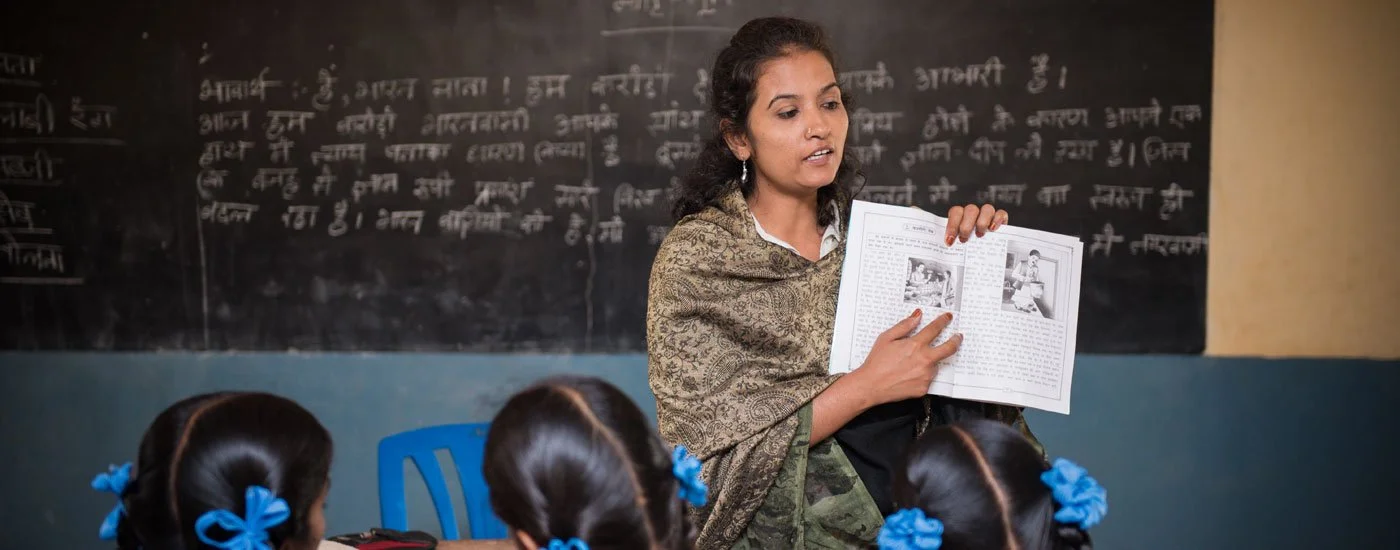
There are reportedly more than 1 lakh schools across India that operate with only one teacher. This situation highlights significant challenges in the Indian education sector, particularly in rural and underprivileged areas. Experts suggest that the singular staffing in these schools compromises the quality of education and raises concerns about student learning outcomes.
Data reveals that many of these educators are responsible for teaching multiple grades in a single classroom. This often leads to a lack of individual attention for students, making it difficult for them to grasp complex concepts. The reliance on one teacher per school exacerbates the existing educational inequalities that many regions of India face.
The situation is further complicated by issues such as inadequate infrastructure and limited resources. Many of these schools lack basic facilities including proper classrooms, teaching materials, and access to technology. As a result, the responsibilities placed upon a single teacher can be overwhelming, limiting their effectiveness in delivering quality education.
Government Initiatives and Challenges
The Indian government has initiated several policies aimed at improving educational outcomes, particularly in rural areas. Programmes such as the Sarva Shiksha Abhiyan and the Right to Education Act have sought to ensure access to basic education for all children. However, despite these efforts, a significant number of schools still face staffing shortages.
Reports indicate that recruiting qualified teachers to these remote locations remains a significant hurdle. Many educators are reluctant to work in areas lacking proper facilities and amenities. Additionally, financial constraints often hinder the capability of state governments to hire more staff, resulting in a reliance on existing teachers for multiple roles.
Furthermore, the COVID-19 pandemic has exacerbated the challenges in the education sector. Schools have struggled to maintain enrolments and continue educational programmes due to lockdowns and health precautions. Such disruptions have led to higher dropout rates, especially in regions where educational infrastructures were already fragile.
Impact on Student Learning and Future Prospects
The presence of only one teacher in over 1 lakh schools has serious implications for student learning. Research shows that children taught in such environments may not attain the same academic proficiency as those in classrooms with adequate staffing. This can lead to long-term disadvantages in terms of education, employment opportunities, and economic mobility.
Parents and communities are reportedly concerned about the educational prospects for their children. Many express frustration over the subpar conditions in schools, as they are eager for better educational options and outcomes for future generations. This demand highlights a growing awareness of the importance of quality education in breaking the cycle of poverty.
Authorities are urged to prioritise educational reforms that address these challenges. Increasing the number of teachers, improving school facilities, and implementing innovative educational approaches could potentially transform the rural education landscape in India. As discussions continue, stakeholders must remain committed to finding sustainable solutions to ensure every child receives the quality education they deserve.
Long or Short, get news the way you like. No ads. No redirections. Download Newspin and Stay Alert, The CSR Journal Mobile app, for fast, crisp, clean updates!